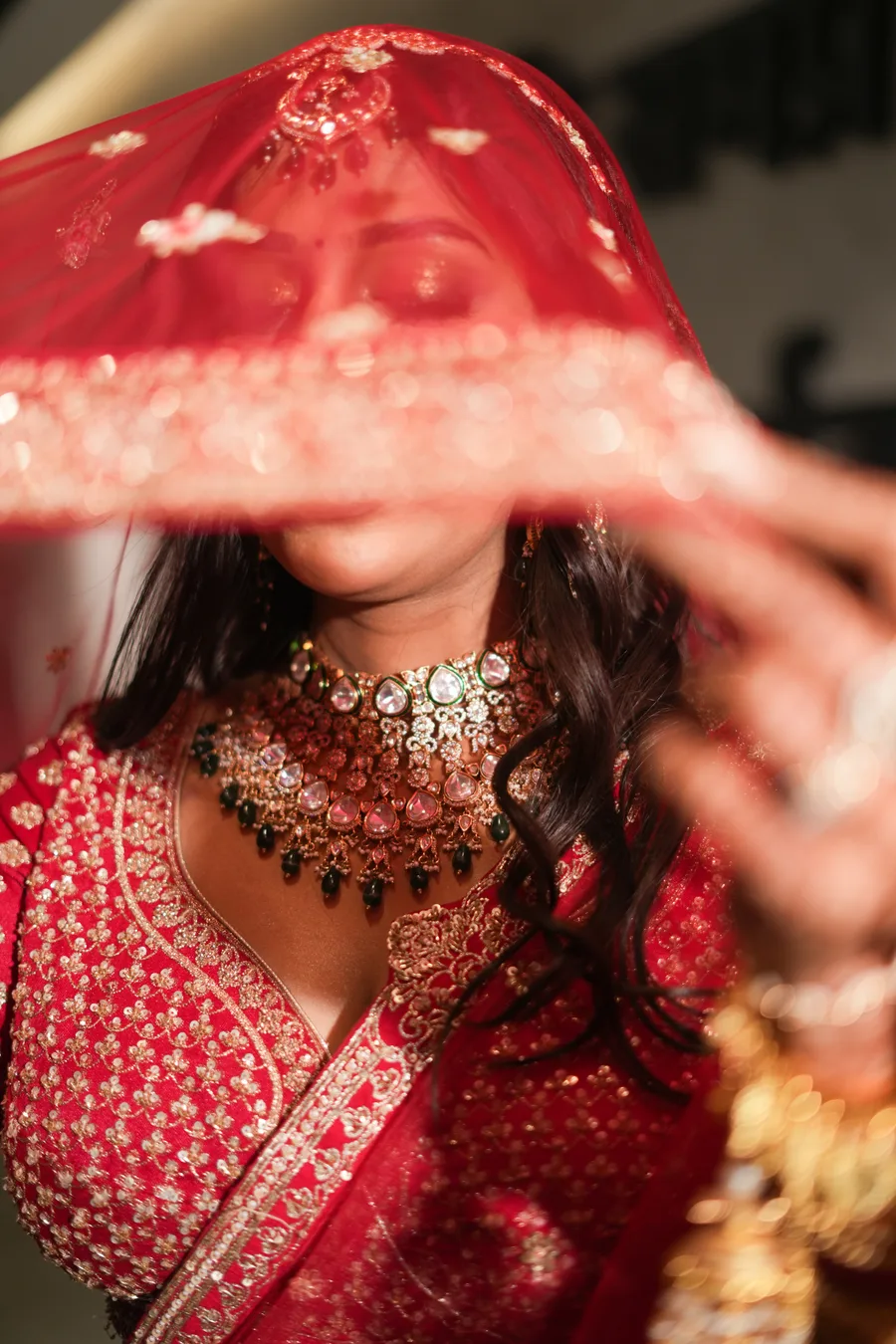
Stiff, choreographed poses can feel uncomfortable on camera. Explore ten couple poses that look natural, feel relaxed, and flatter both partners whilst telling your love story.
Why Natural Poses Matter More Than Choreographed Perfection
Posed wedding couple photography occupies a tricky middle ground: you want beautiful, intentional images, but you don't want to look stiff or uncomfortable. Couples who hate posing often end up photographing poorly because they're fighting the pose, feeling unnatural, and that discomfort shows in their expressions. The difference lies in understanding that the best couple poses aren't rigid formulas—they're gentle frameworks that allow couples to interact naturally while positioned in flattering ways. A pose that works for one couple might feel awkward for another; the most skilled photographers adjust based on your comfort, height difference, body type, and personal style.
Natural poses also photograph more authentically. If your partner is genuinely holding you in a way that feels comfortable, your posture relaxes, your expression softens, and the resulting image looks like a moment rather than a production. The most effective couple poses are those where both partners forget they're being photographed and simply be together—that's when genuine connection reads through the camera, and photographs become treasured.
Essential Couple Poses: Walking, Forehead-to-Forehead, and Embrace
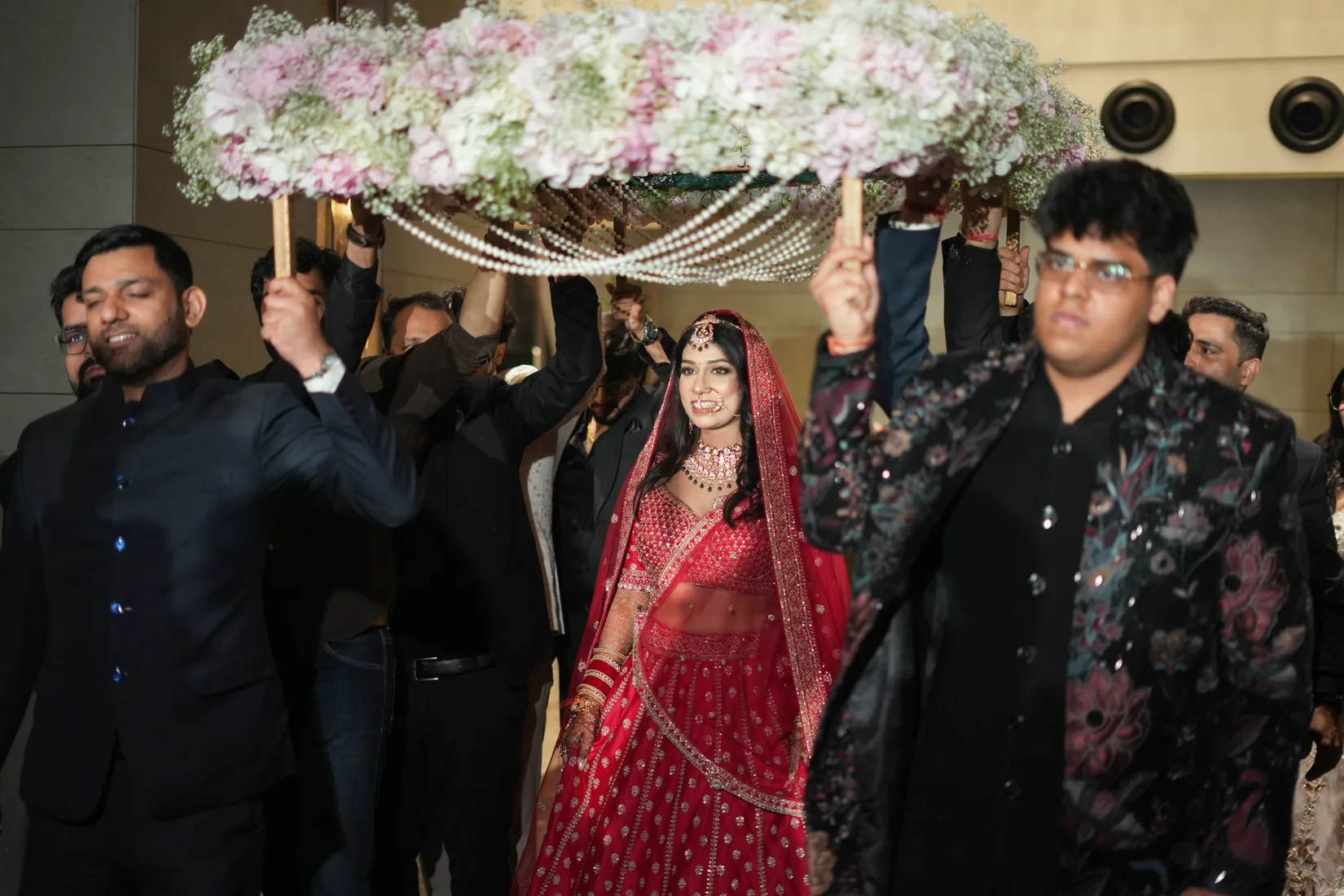
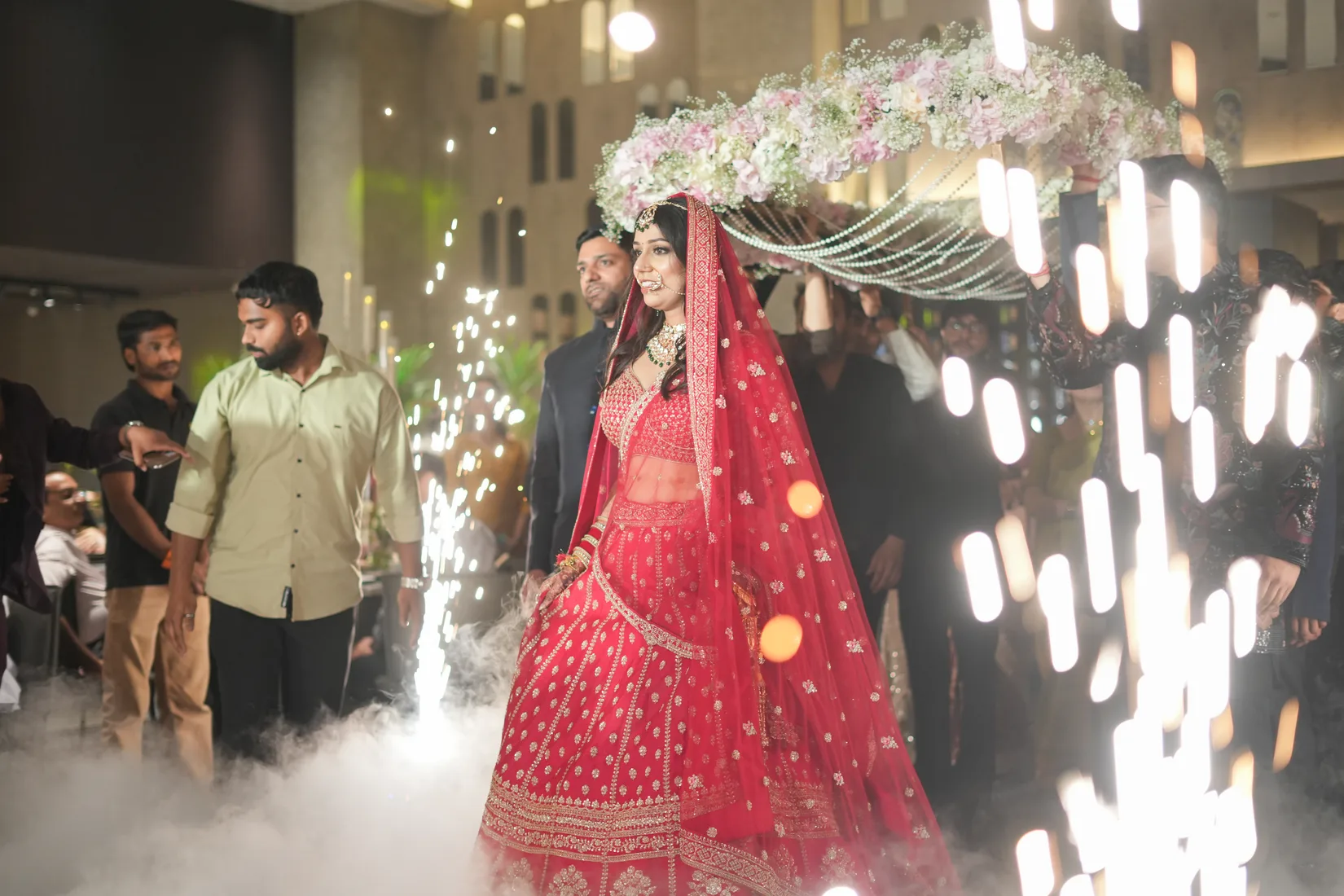
Walking together is one of the most natural couple poses and remarkably flattering when executed well. Ask your partner to walk slightly ahead or alongside you, holding hands or with their arm around your shoulder. The photographer captures you mid-stride, typically from the side or slightly behind, as you walk through a garden, along a path, or through architectural space. Walking poses feel organic because humans walk together all the time; there's nothing staged about the action. The movement also creates dynamic, flowing images—there's visual momentum that static poses sometimes lack. Variations include walking toward the camera (creating anticipation and intimacy), walking away (often dramatic and romantic), and walking while looking at each other (playful and connected).
The forehead-to-forehead pose involves partners facing each other closely, foreheads nearly touching or gently resting against one another, eyes either closed or softly gazing. It's intimate, romantic, and requires vulnerability from both partners—there's nowhere to hide when you're that close to the camera. The emotion that reads through photographs of this pose is profound; it's about connection and tenderness rather than celebration or performance. In an embrace-from-behind pose, one partner stands behind the other, wrapping their arms around them from behind. The couple typically faces the camera slightly angled, or the back-positioned partner's face is visible over the front partner's shoulder. This pose feels naturally protective and tender; there's a sense of safety and affection in the positioning. For Indian wedding photography, where embroidery and fabric detail matter, this pose allows both the detail of outfits and the connection between partners to be visible simultaneously.
Comfortable and Intimate Poses: Sitting, Movement, and Silhouettes
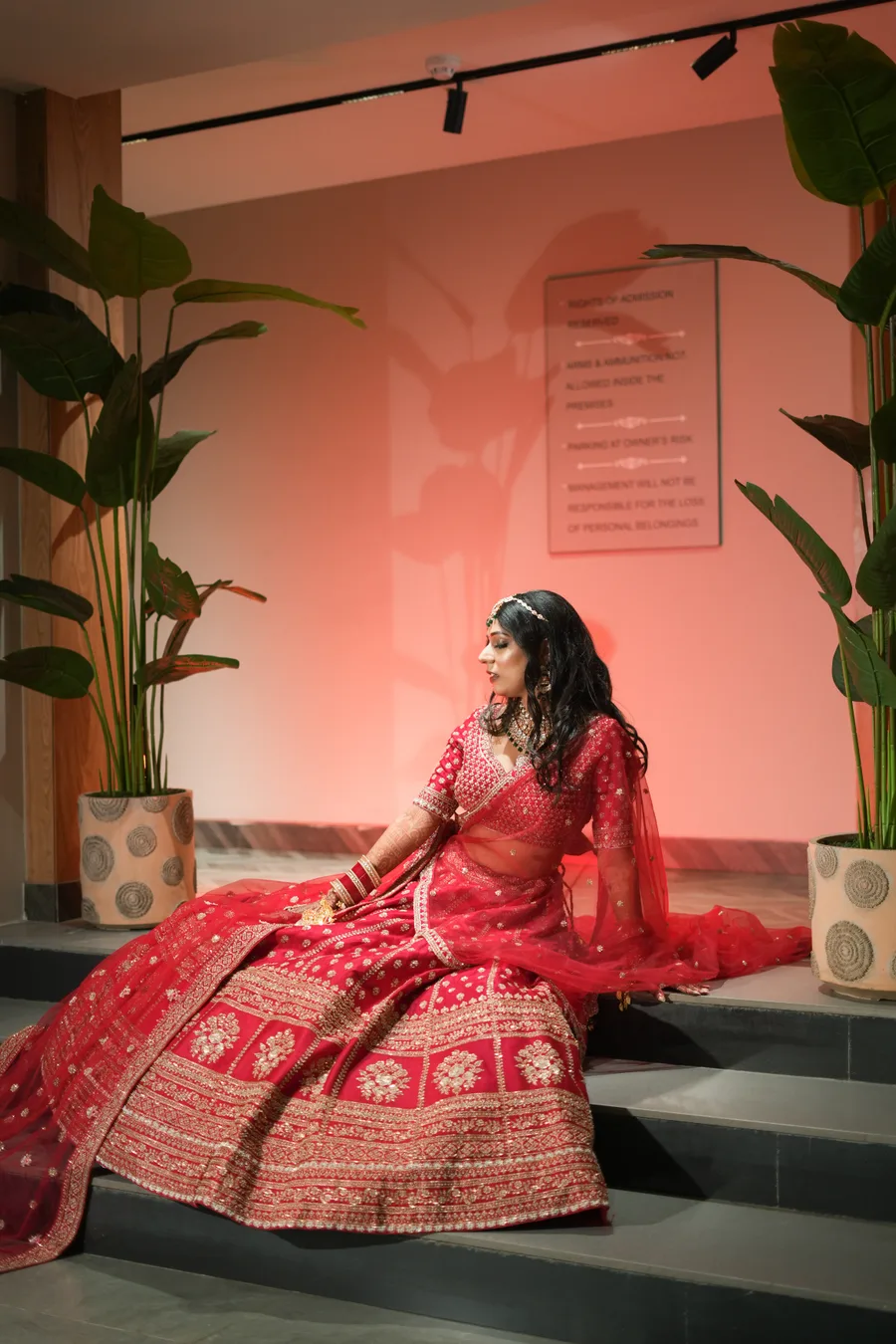
Couple poses don't always require standing. Sitting together on steps, a bench, a decorated floor with cushions, or even a low wall creates comfortable, relaxed photographs. Sitting often helps couples who are nervous or uncomfortable with posing; there's something grounding about being seated that reduces performance anxiety. Variations include sitting side-by-side with foreheads touching, one partner sitting whilst the other stands and wraps arms around them from behind, or sitting facing each other with knees touching. The photographer can capture these interactions from various angles—front-facing, from the side, close-up on faces, or wide to show the setting.
If you and your partner dance together or feel comfortable moving, a 'dance' pose (even if you're not actually dancing) creates dynamic, joyful images. One partner might twirl whilst the other holds their hand, or you might sway together with the photographer capturing the movement and connection. Genuine movement, even if it's exaggerated or playful, photographs beautifully; there's energy and authenticity in the images that static poses sometimes lack. Silhouette photographs—where the couple is backlit and appears as a dark outline against a bright background (sunset, bright window, bright doorway)—are also dramatic and visually stunning. Silhouettes work best when the positioning is clear and recognisably intimate; the abstraction of being silhouettes adds artistic quality that some couples find deeply appealing.
Candid and Natural Interaction Poses
In the angled conversation pose, partners sit or stand at slight angles to one another, perhaps with foreheads nearly touching or faces close together as if having an intimate conversation. The positioning is relaxed and comfortable—neither partner is dramatically posed; they're simply close together and looking toward one another. This pose feels natural because people do actually have conversations standing or sitting this close; the photographer is simply capturing a human moment of connection. Variations include partners with eyes closed (intimate and peaceful), eyes open and connected (present and engaged), or one partner gazing at the other whilst they look downward (tender and affectionate).
Finally, the 'pose' that isn't really a pose: simply being together and interacting naturally whilst the photographer documents it. You might be adjusting one another's outfits, your partner whispering something that makes you laugh, holding hands whilst walking, or just existing in proximity whilst making eye contact. These moments feel the least posed because they aren't poses at all—they're moments of genuine interaction captured by an attentive photographer. For couples who genuinely hate posing, this approach often yields the best images—you're not trying to look a certain way; you're simply being captured as you are.
Working With Your Photographer to Find What Feels Natural
Whether you embrace structured poses or prefer candid documentation, the best couple images come from comfort, connection, and trust between partners and photographer. Each pose style suits different personalities, body types, and comfort levels; the most important factor is choosing a photographer who understands your style and can make you feel relaxed and beautiful whilst being photographed. The poses themselves are secondary to the genuine connection between you—when that reads through the camera, the images resonate for decades.
Discussing your comfort level with posing during initial consultations helps your photographer adjust their approach. If you're someone who stiffens in front of the camera, forewarning them allows them to use movement-based poses and conversational guidance rather than structured positioning. If you enjoy posing and want variety, they can work through multiple poses and variations. Share reference images of poses you like, and clarify whether you want your couple shoot to feel artistic, documentary, playful, romantic, or a mix. If you'd like to explore what natural, comfortable poses would work best for you both as a couple, Lens9 Studio would welcome the opportunity to discuss your vision and create images that feel authentically you during your couple shoot.