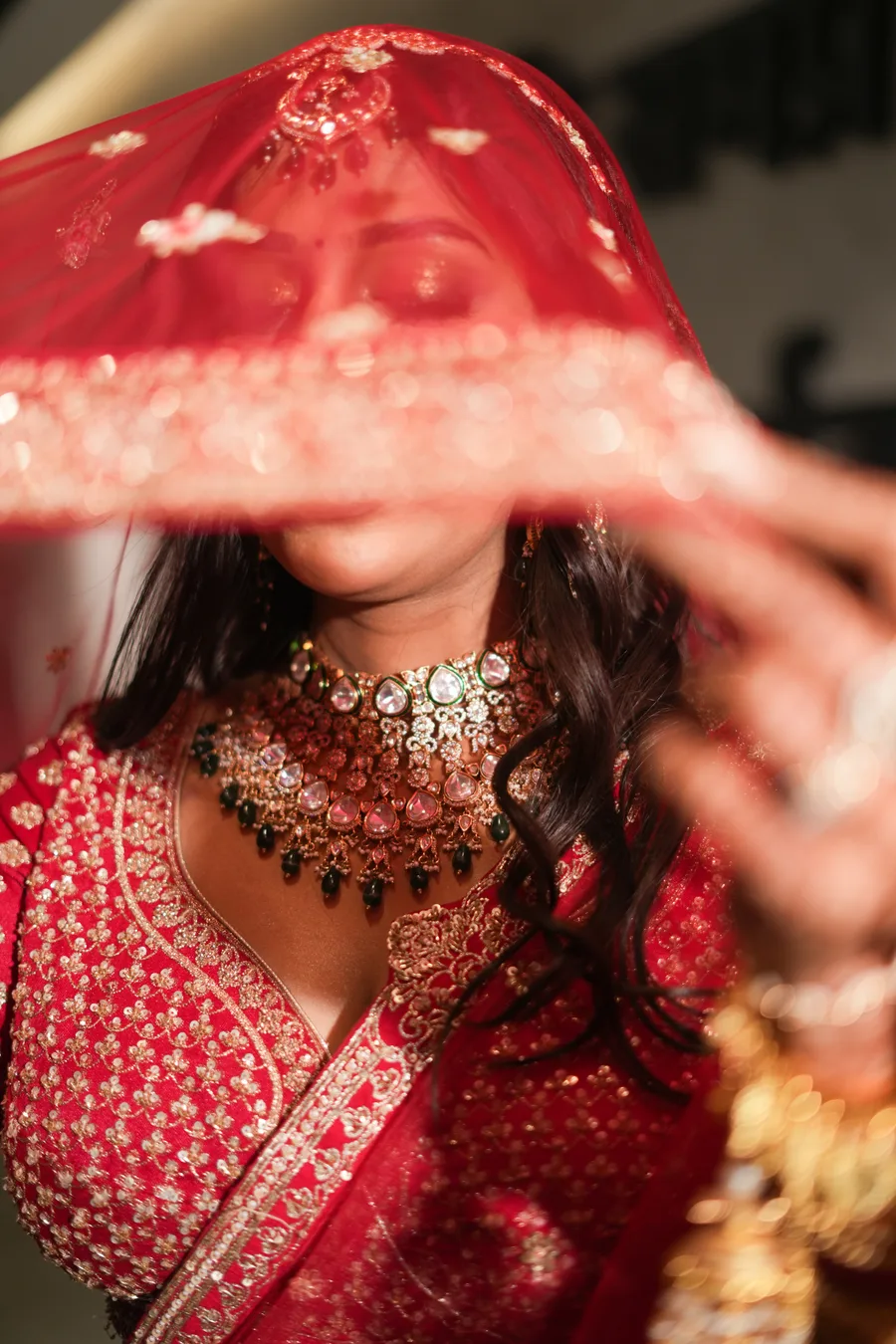
Golden hour, blue hour, and midday all offer different moods for couple photography. Learn how to choose timing that matches your vision and location's light conditions.
Understanding Light Quality Throughout the Day
The best time of day for your couple shoot depends entirely on the light quality you want, the location you've chosen, and how you respond to different atmospheric conditions. Professional photographers speak constantly about golden hour—the period shortly after sunrise and before sunset when the sun sits low on the horizon, creating warm, diffused, directional light that's flattering to skin tones and textured surfaces. But golden hour isn't universally the right choice for every couple shoot; midday offers different qualities, and blue hour (that brief period after sunset before full darkness) creates moody, romantic tones that some couples prefer. Understanding these different time windows and their visual characteristics helps you choose timing that serves your vision.
Light quality shifts dramatically across the day. Sunrise light is often cooler and crisper; by mid-morning, light is brighter but still relatively soft. Midday sun is harsh and overhead, creating unflattering shadows on faces; late afternoon begins warming light again, and by golden hour, warmth and direction are optimal. Blue hour light is cool, atmospheric, and romantic, though it requires either a well-lit location (near city lights) or supplemental lighting to expose faces while capturing the colourful sky. Each time window has aesthetic qualities and technical implications that shape how you'll work and what results you'll achieve.
Golden Hour: The Photographer's Favourite Window
Golden hour represents the easiest time for couple photography—light is directional, warm, soft, and flattering from virtually any angle. Whether your couple is positioned with the sun behind them (backlit, creating rim lighting and halos), to the side (creating dimensional, sculpted light), or even roughly in front (front-lit but at a low angle, creating less shadow than midday would), the results are consistently beautiful. This predictability and ease is why golden hour is the default choice for couples who don't have strong preferences or specific visions. Wedding planners and photographers often default to golden hour simply because it almost always works well, regardless of skill level or experience.
The challenge with golden hour is its brevity and its popularity. In peak wedding season, almost every couple and photographer is trying to shoot in golden hour simultaneously, creating logistical complexity if your wedding has tight timings. Golden hour in December lasts perhaps 90 minutes; in summer, it might stretch to 2+ hours. Additionally, if your couple shoot is scheduled during the wedding day itself (between reception and dinner, for instance), you're constrained by the wedding timeline, not light. If you have flexibility to schedule a dedicated couple shoot, prioritise golden hour timing. If your couple shoot must happen during the wedding schedule, adapt your timing expectations and choose a location that photographs well in whatever light is available.
Midday and Harsh Light: Challenges and Creative Possibilities
Midday shooting (roughly 10 AM to 3 PM, depending on season and latitude) presents technical challenges: overhead sun creates harsh shadows under eyes and along nose, the light is bright and contrasty, and it's challenging to position couples for flattering images without lots of supplemental equipment. However, midday light isn't forbidden—many stunning couple portraits happen in full sun, and photographers with experience can work creatively within these constraints. Techniques include: positioning couples in open shade (the edge of a building or tree line where they're shaded but the background is lit), using reflectors to bounce fill light into shadow areas, exposing for faces and accepting that sky will blow out, and positioning couples in ways that minimise unflattering overhead shadows.
Midday shoots also work well in certain locations: covered areas with dappled light from trees, interior spaces with window light, or locations where the architectural environment creates flattering shadow patterns. Some couples genuinely prefer midday shoots because they fit better into wedding-day timings (no need to rush through ceremonies or skip meals for a sunset shoot). If midday is your only option, embrace the technical challenge. Strong directional light creates high-contrast, visually punchy images that read differently than soft golden hour light—sometimes sharper, more graphic, and full of visual drama.
Blue Hour and Evening Light: Atmosphere and Romance
Blue hour—that brief window after sunset when the sun has dipped below the horizon but the sky retains deep, saturated colour (typically rich blue or violet)—creates moody, romantic light that's visually distinctive. Couples positioned against a blue hour sky have an atmospheric, almost cinematic quality. The challenge is that blue hour light is dim; faces need supplemental lighting to expose properly whilst maintaining the rich sky colour. This requires either nearby ambient light (street lights, building lights, garden lighting), off-camera flash positioned creatively, or continuous lighting equipment. The technical complexity is higher than golden hour, but the results are worth the effort if atmosphere matters more to you than ease of execution.
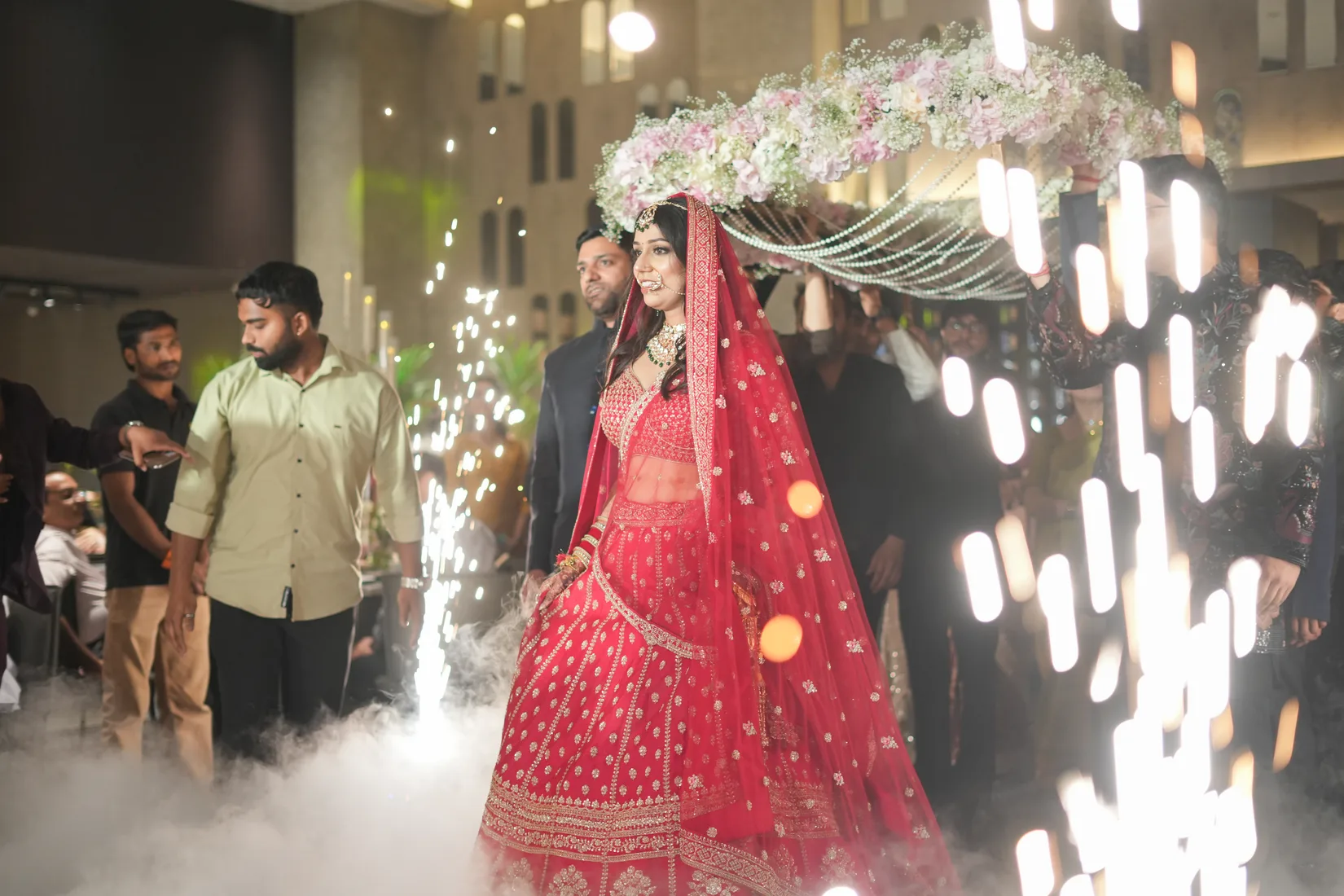
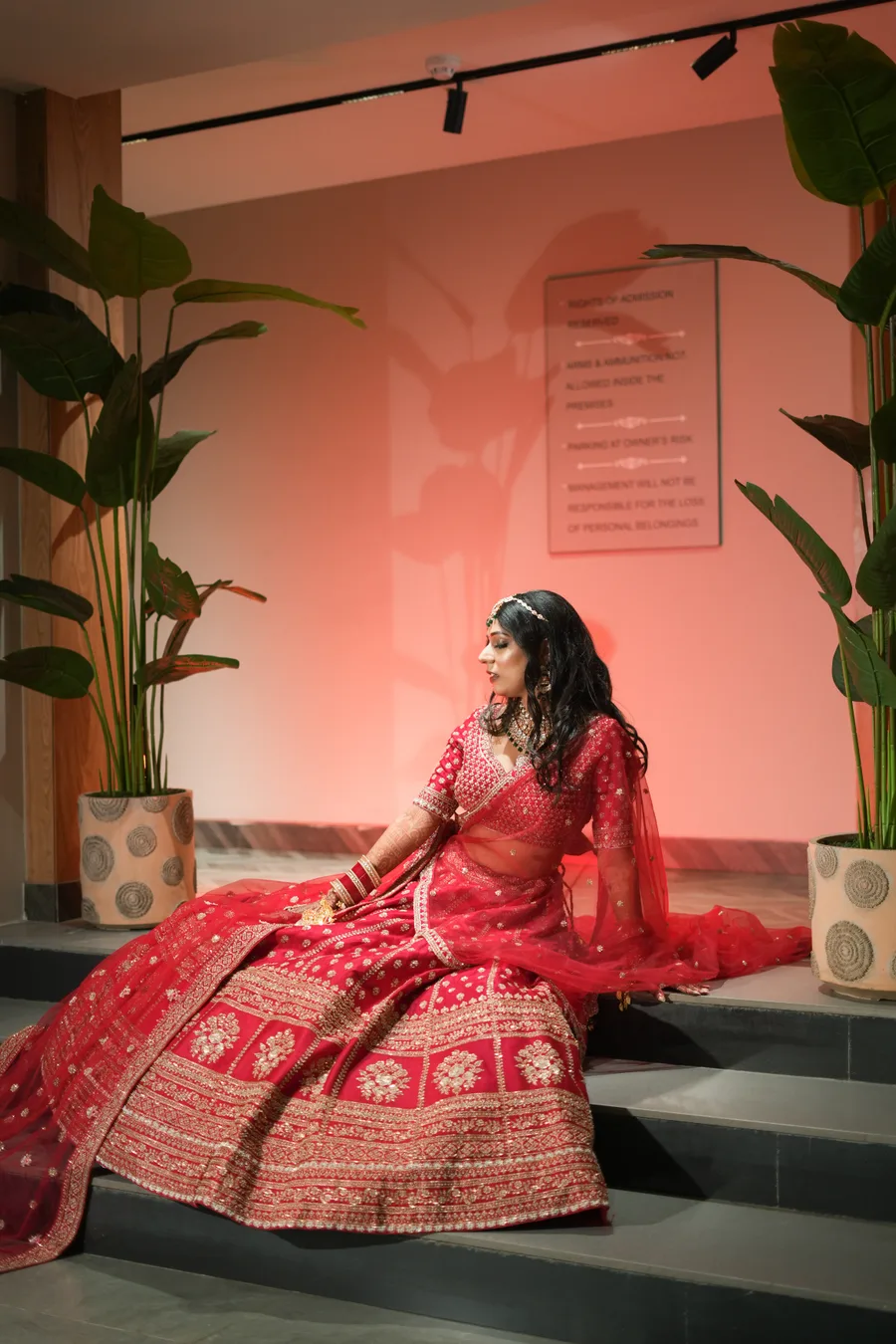
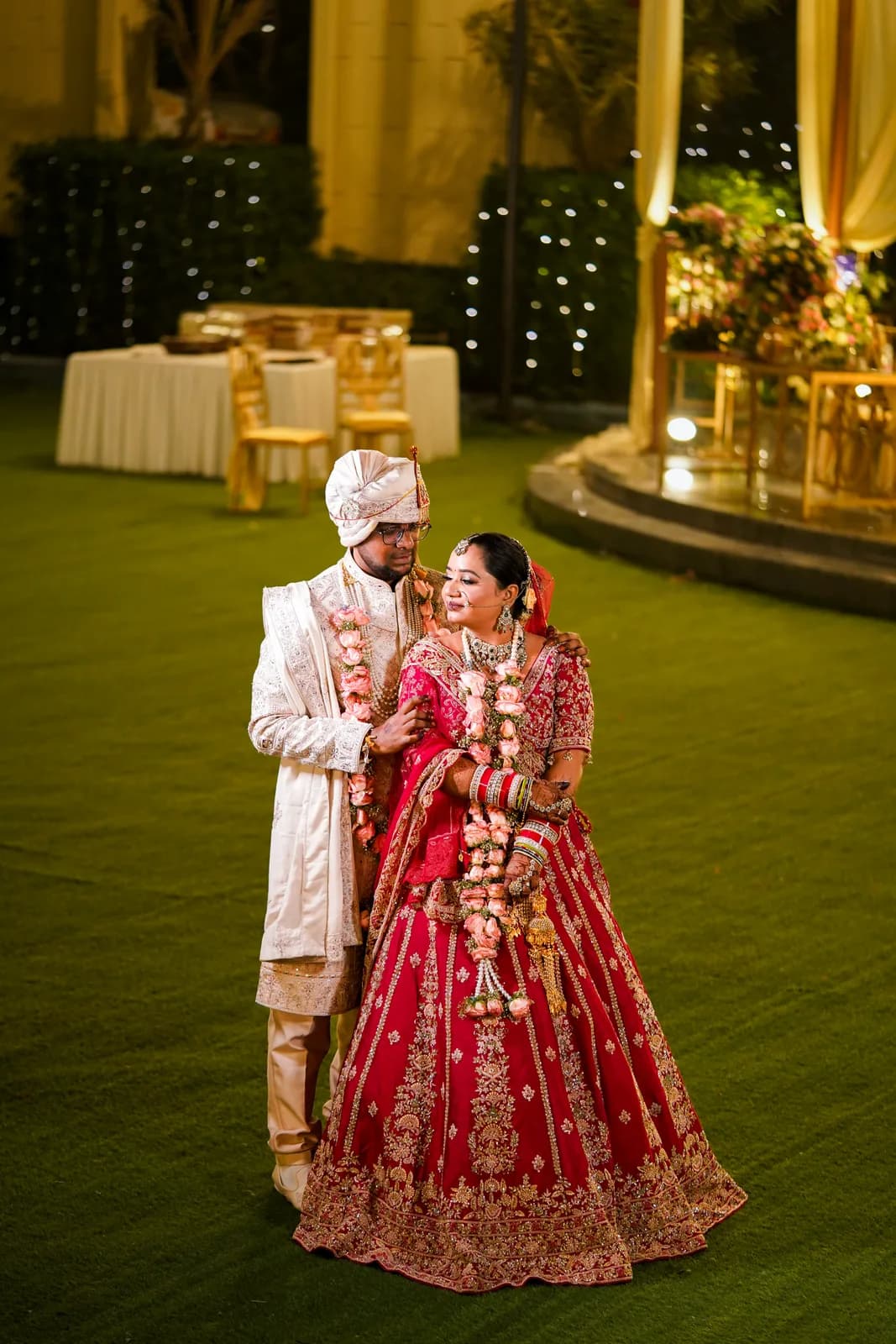
Evening light (after full darkness falls, but with city lights or venue lighting) works beautifully for couple portraits around wedding venues. A couple positioned with venue lights creating bokeh in the background, nearby structures lit for ambience, or even just the warm tones of artificial lighting can create a romantic, intimate mood. These shots feel entirely different from daylight couple photography—more private, more tender, less formally posed. If your couple shoot involves moving into evening and night, discuss this during the planning phase so you can arrange appropriate lighting, dress appropriately (it's cooler), and set realistic expectations about what the couple should wear for both daylight and evening portions.
Seasonal and Location Factors, Energy, and Authentic Presence
The best time for your couple shoot isn't absolute—it depends on where you're shooting and how you're feeling. A couple shoot in a heritage building might work beautifully at midday using window light, when the same timing outdoors would be harsh. A couple shoot in a garden with mature trees works well at almost any time because the trees create dappled, soft light. A couple shoot at a beach is usually best in golden hour to avoid the intense midday reflection off sand and water. Season also affects timing significantly. In December, golden hour might peak at 4:30 PM; in August, not until 6:30 PM. Plan your couple shoot timing to align with both the light quality you want and the actual sunset/sunrise time for your specific wedding date. Work with your photographer to determine the absolute optimal timing window for your date, location, and light preferences, then build your wedding schedule around that if possible.
Beyond light quality, consider how timing affects the couple's energy and emotional state. A couple shoot scheduled right before the reception might feel rushed; one scheduled immediately after ceremony, when emotions are highest and energy is fresh, might capture genuine tenderness. A late evening couple shoot, after hours of celebration, captures a different kind of authenticity—tiredness mixing with euphoria, the relationship feeling settled rather than fresh. Comfort also matters: a couple who's well-fed, has had water, and isn't exhausted will look noticeably better in photographs than the same couple two hours later when those factors have depleted. When discussing timing with your couple, balance the technical light quality with their actual energy and comfort, and you'll create portraits that feel genuine rather than just technically perfect.