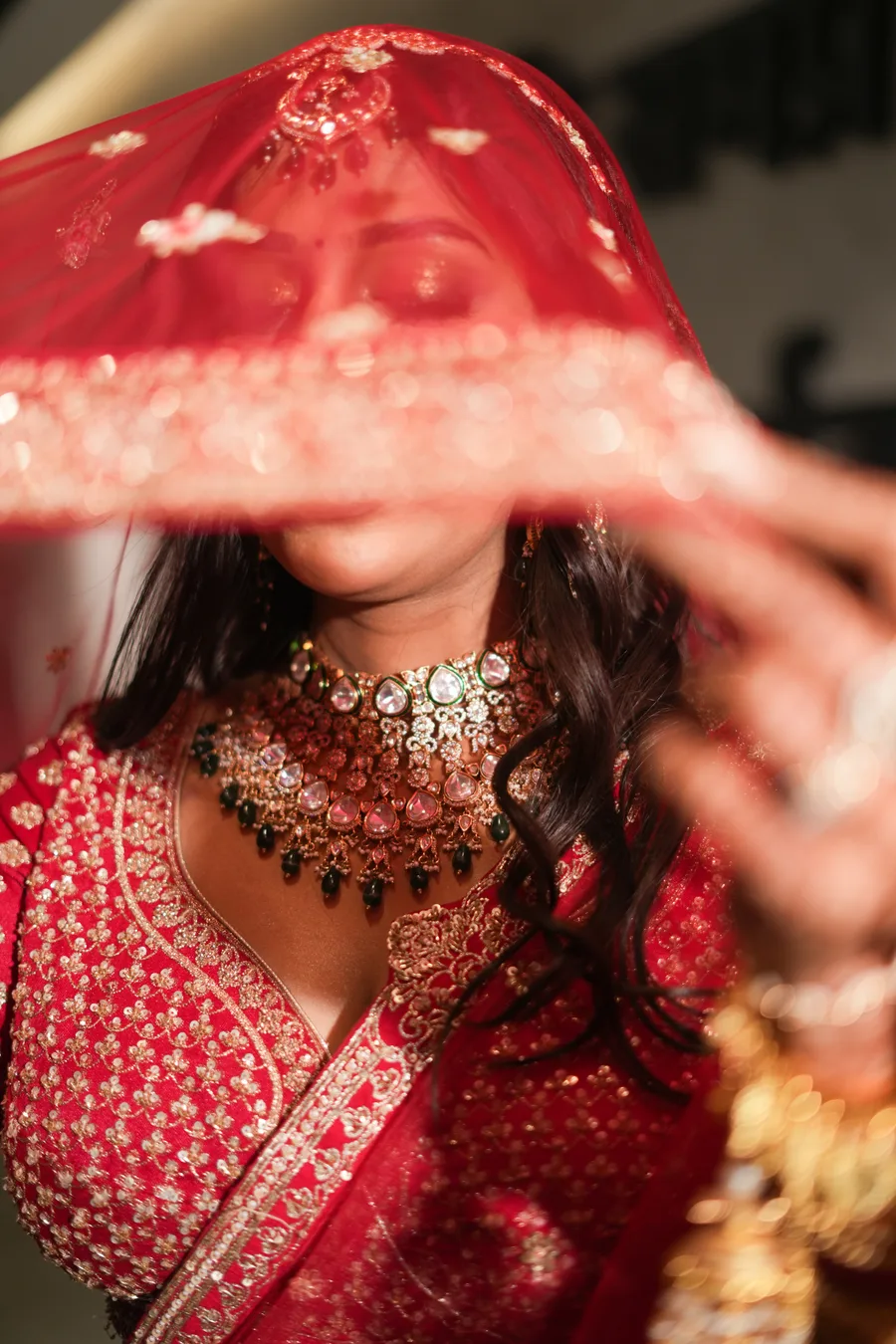
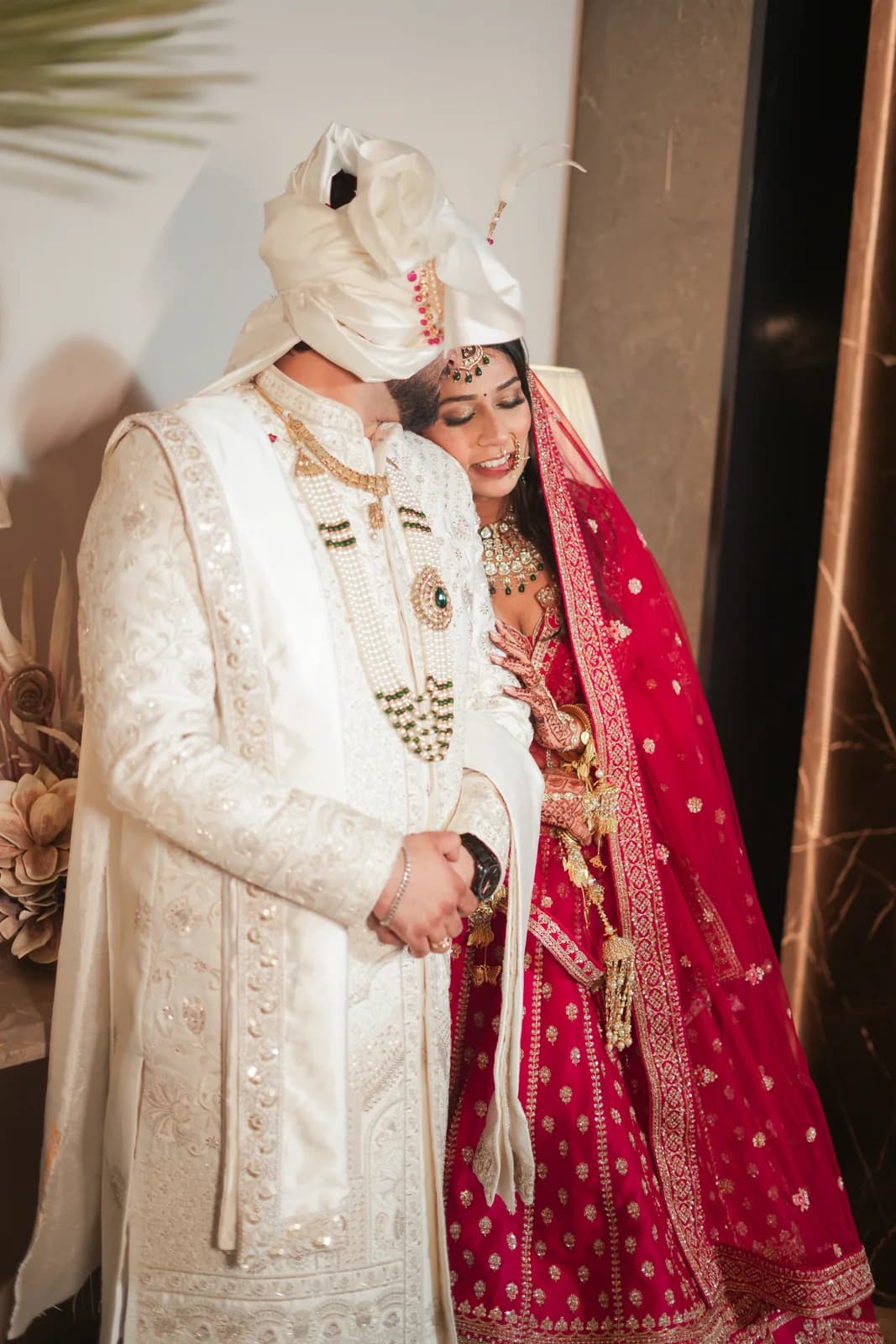
Candid and traditional photography capture your wedding differently. Understand the strengths of each style and how many couples now blend both for complete coverage.
Defining Candid and Traditional Wedding Photography
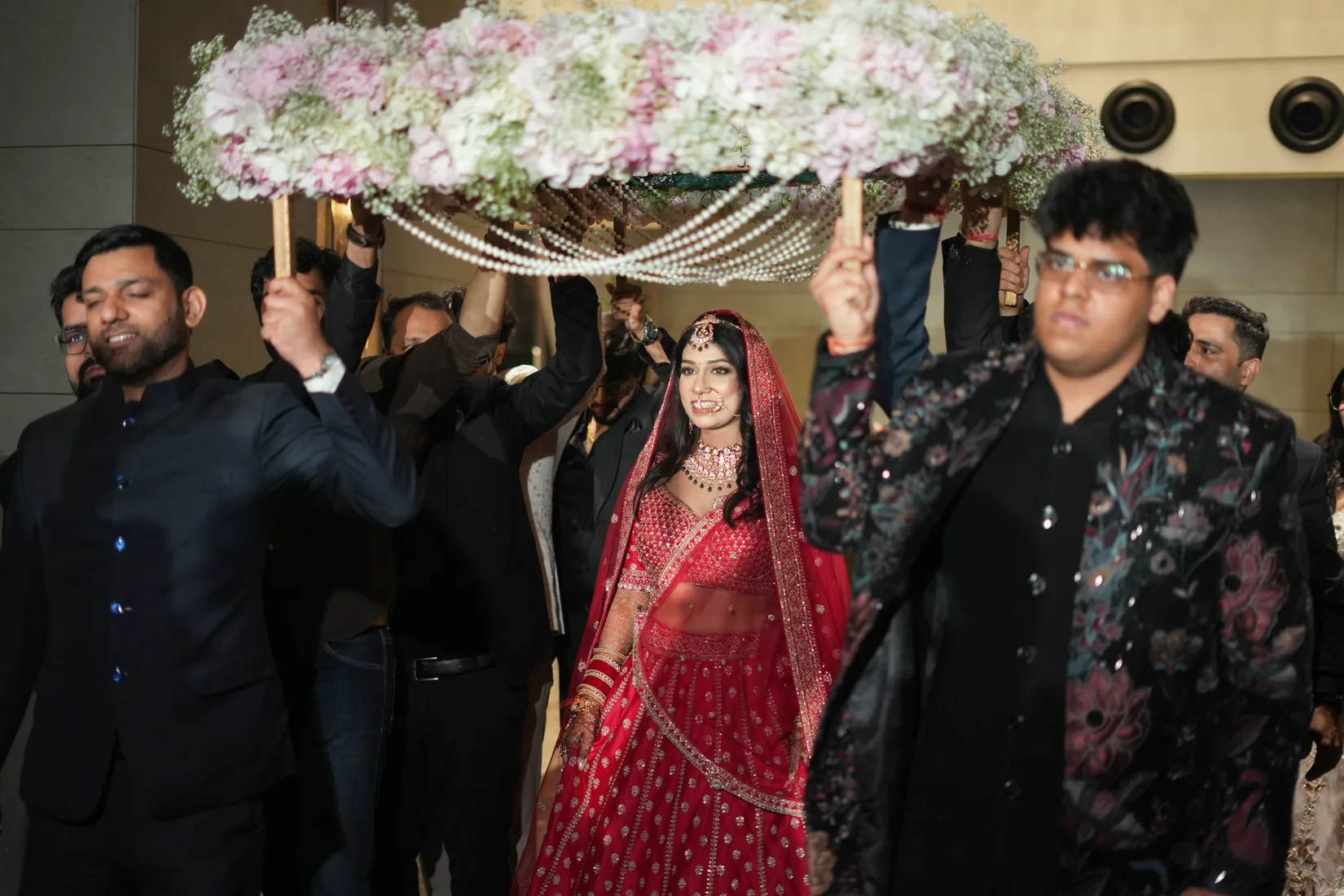
Candid wedding photography captures moments as they unfold naturally: a guest laughing during the vows, the groom wiping tears from his face, cousins dancing without knowing they're being photographed, the bride and her father sharing a quiet embrace before the ceremony. The photographer is observer and documentarian, responding to genuine emotions and interactions rather than directing them. Candid photographers often shoot with longer lenses from a distance, staying invisible, allowing the day to happen authentically around them.
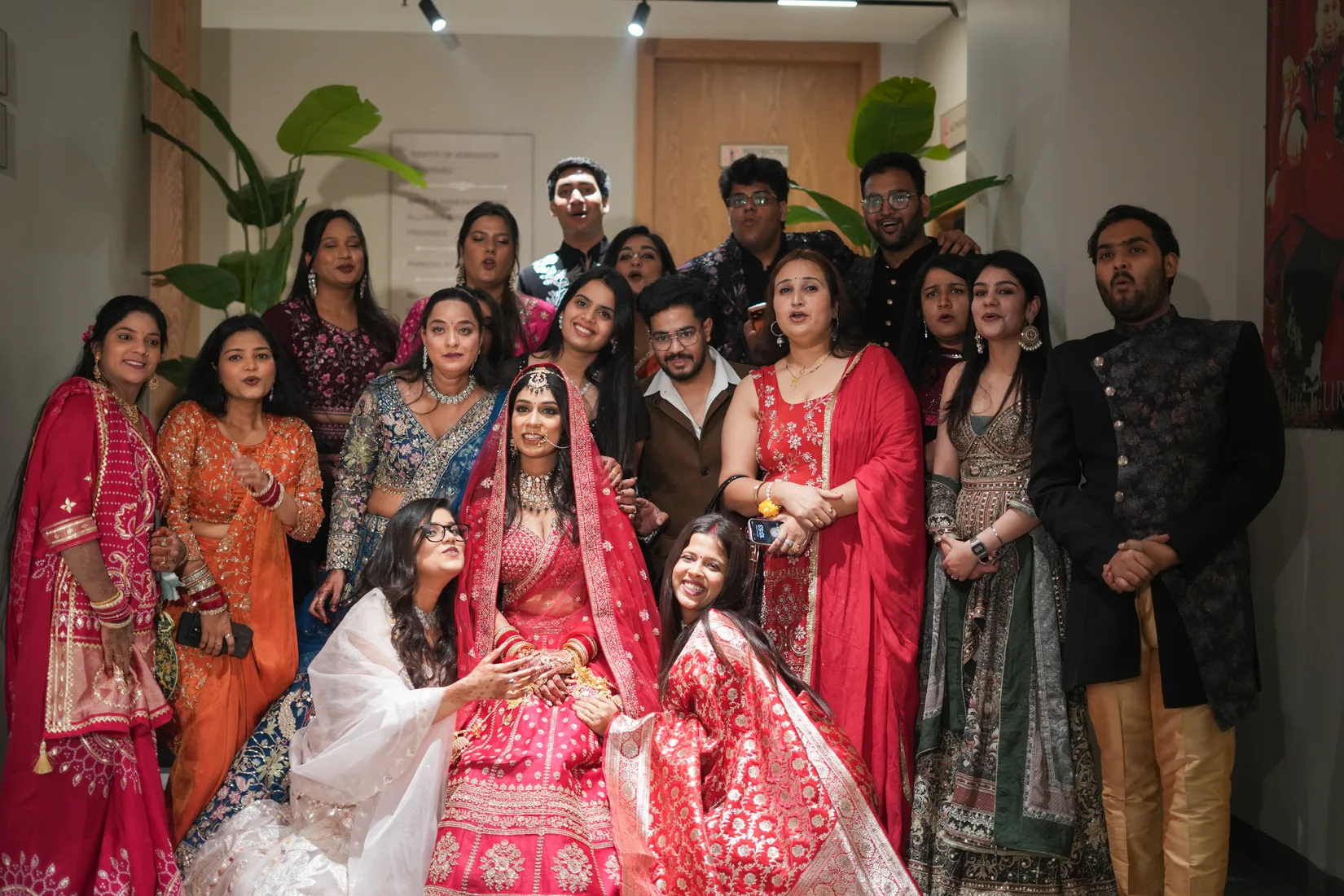
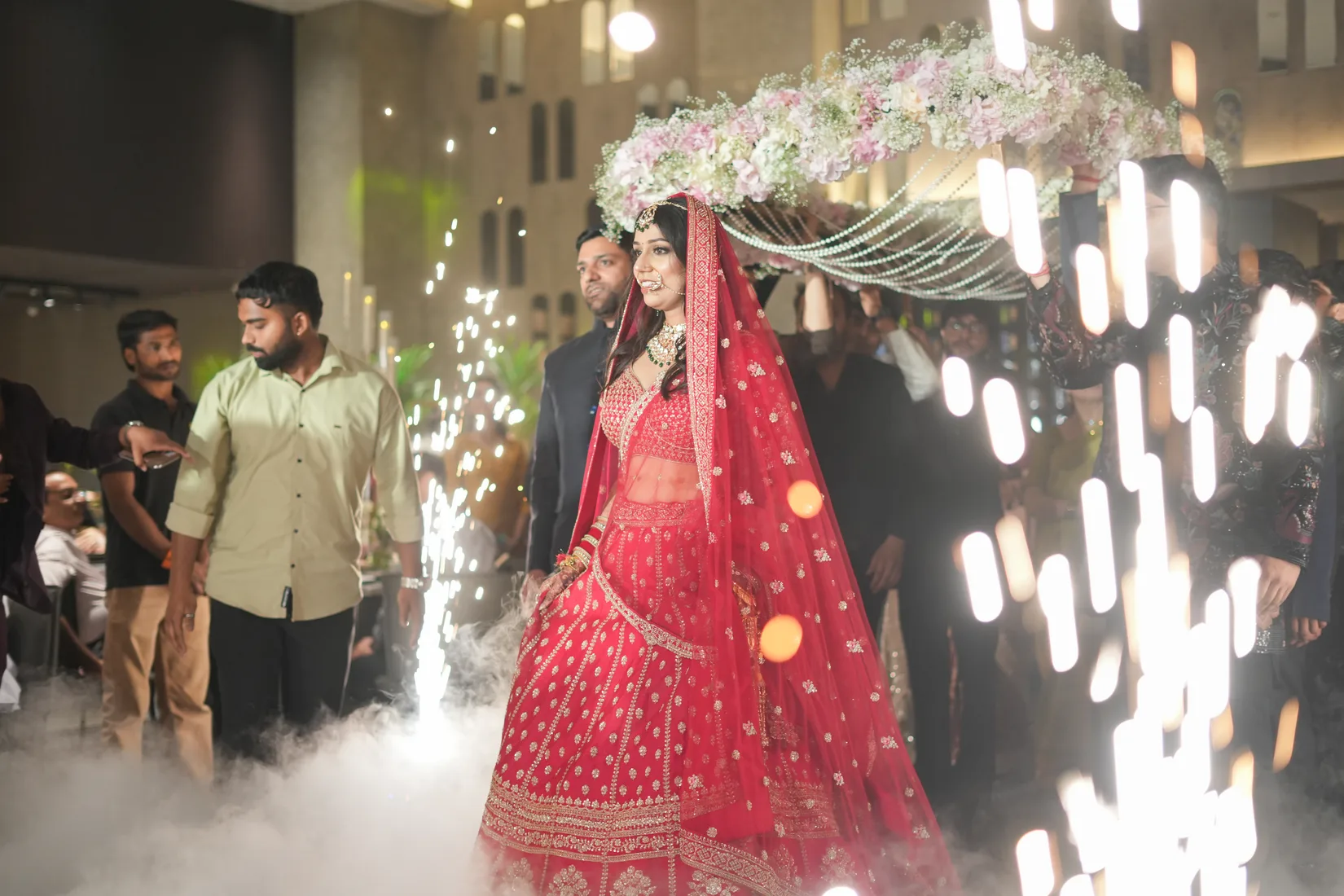
Traditional wedding photography, conversely, is structured and composed. It includes formal family portraits, bride-and-groom posed portraits, pre-planned group shots, and intentional arrangements. The photographer directs positioning, adjusts lighting, and creates images that feel timeless and polished. Traditional photography is predictable—you know you'll get the family photos, the couple portraits, the shot of you entering the reception—which is precisely why couples value it.
When Candid Photography Shines
Candid photography excels at capturing the true atmosphere and emotion of your wedding. If your sister is a natural performer and hilarious, candid photography will catch her making everyone laugh during her speech. If your mother is emotional watching you leave for the mandap, a candid photographer will freeze that unguarded moment. If your groom's cousins are dancing with wild joy during the sangeet, candid coverage ensures those genuine moments are preserved. For Indian weddings, where celebrations span multiple days and involve layered rituals, candid photography creates a narrative arc—beginning with nervous energy, moving through ceremony rituals, and culminating in raucous joy.
The emotional truth of candid photography is irreplaceable. These images don't feel performed; they feel like glimpses into something real. When you look at candid photographs years later, you don't think about how you looked to others; instead, you relive the day as you experienced it. Candid photography also works especially well for couples who hate posing, who have unconventional celebration styles, or whose family dynamic is naturally animated and emotional.
When Traditional Photography Becomes Essential
Despite the popularity of candid photography, traditional portraits serve a profound purpose. You will want formal photographs of yourselves as a couple, your families, and key group moments. You'll likely want to give framed prints to parents, grandparents, and close relatives—and these people expect and deserve formal, beautiful portraits. Traditional photography also documents who was present at your wedding; a comprehensive family group photo, even if it requires five minutes of positioning, becomes a historical record of that gathering.
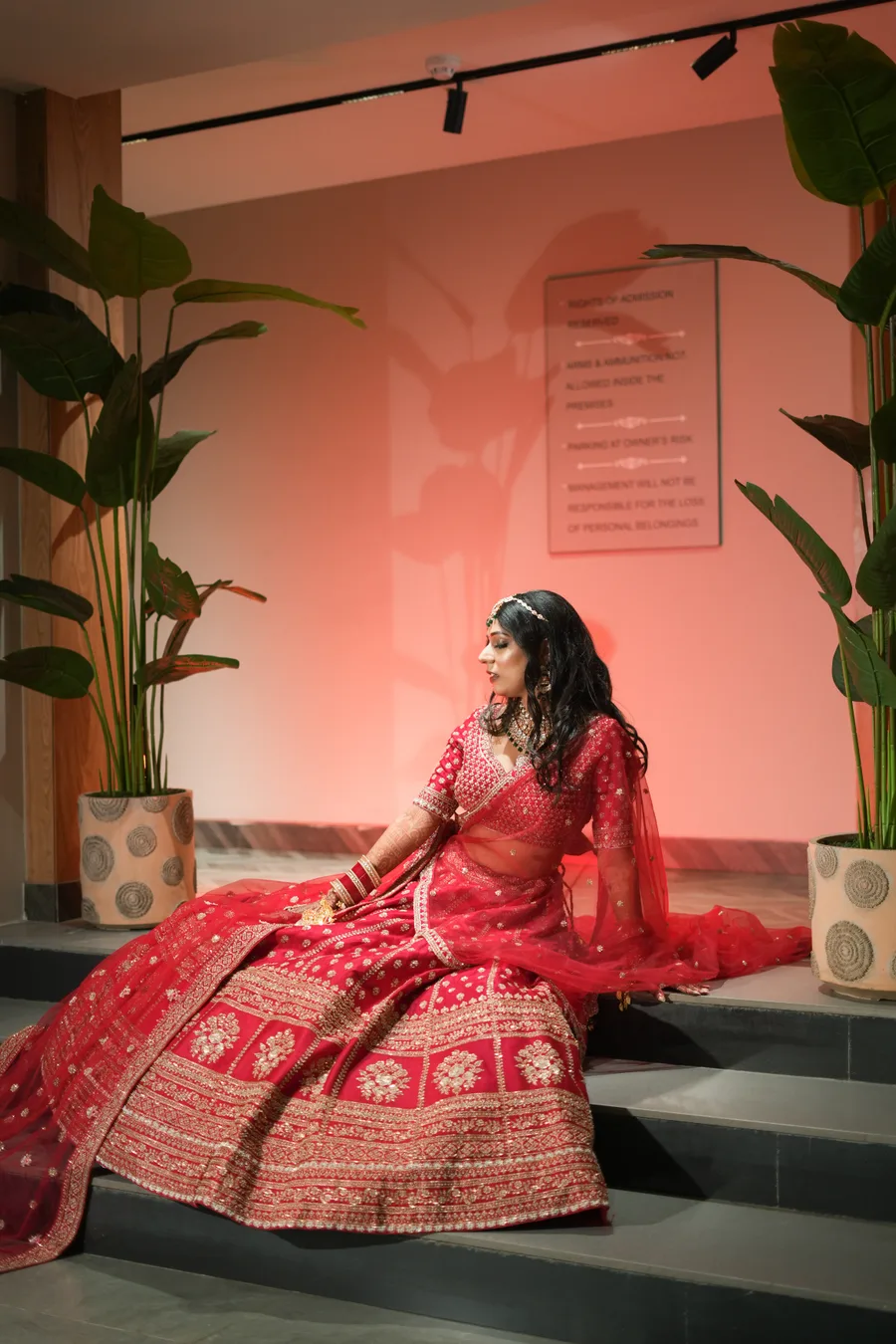
Traditional photography also provides compositional excellence and technical precision that casual candid shooting may lack. A well-composed bridal portrait—with careful attention to lighting, background, posture, and expression—is a work of art that looks stunning printed large on a wall. For couples who want album-ready images suitable for printing, framing, and displaying, traditional photography ensures a baseline of polish and professional presentation.
The Modern Hybrid Approach: Blending Both Styles
The photography landscape has shifted. Rather than debating candid versus traditional, most contemporary Indian couples and photographers embrace a hybrid model: intentional traditional portraits paired with extensive candid coverage. This combination gives you the best of both worlds—formal, polished images alongside genuine, narrative-driven moments. Your photographer might dedicate 30 minutes to traditional family portraits and couple portraits, then spend the rest of the day documenting the wedding as it naturally unfolds.
This hybrid model also reflects how couples consume wedding photography today. They want both a beautiful album (which requires some traditional portrait work) and social media content (which thrives on candid, emotional moments). Discussing this balance with your photographer is crucial—how much time will be allocated to traditional portraits versus candid moments? Understanding this philosophy helps you choose a photographer whose approach aligns with your vision.
Practical Considerations: Choosing Your Photographer's Style
If you're more spontaneous, emotional, and expressive, candid-focused photography might resonate more. If you value polish, perfection, and timeless aesthetics, traditional photography appeals. Consider your family's expectations too—if your parents deeply want formal family portraits and documented moments, a purely candid approach might feel incomplete to them. The best choice often involves clear communication: show your photographer images you love (candid, traditional, or mixed) and discuss what percentage of the day you want dedicated to each approach.
Logistics also matter. Traditional portraits require gathering people, setting up lighting or finding locations, and directing positioning—all of which takes time. If your wedding timeline is tight, extensive traditional photography isn't feasible, and a candid-focused approach might be more practical. Budget sometimes influences this too; photographers who specialise in extensive traditional coverage might cost differently than candid-focused documentarians.