Candid has become a catch-all term for wedding photography, but true candid work requires a specific philosophy and skill set. Here's what distinguishes genuine candid photography from other styles—and whether it's right for your celebration.
Beyond the Buzzword: What Candid Wedding Photography Actually Means
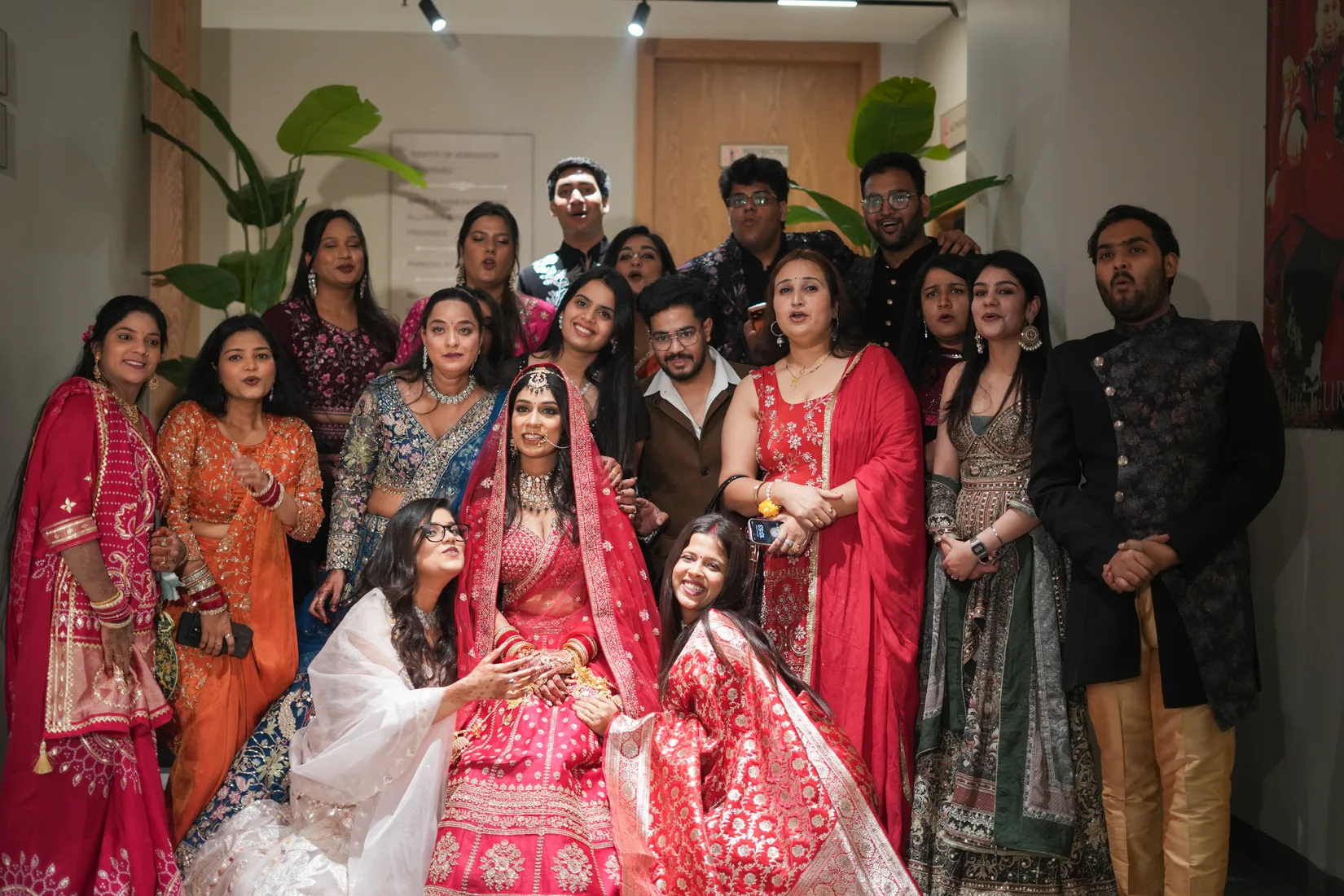
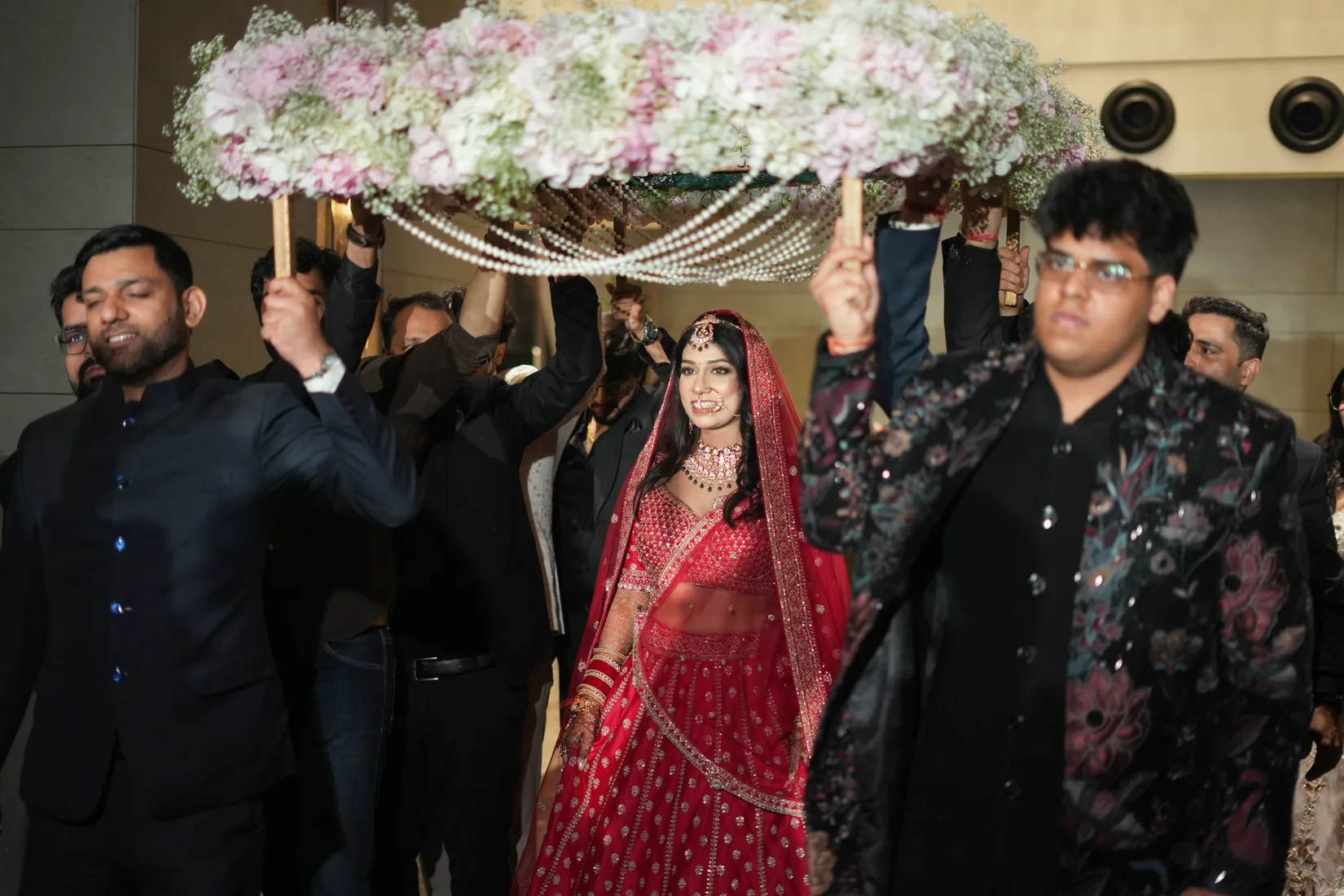
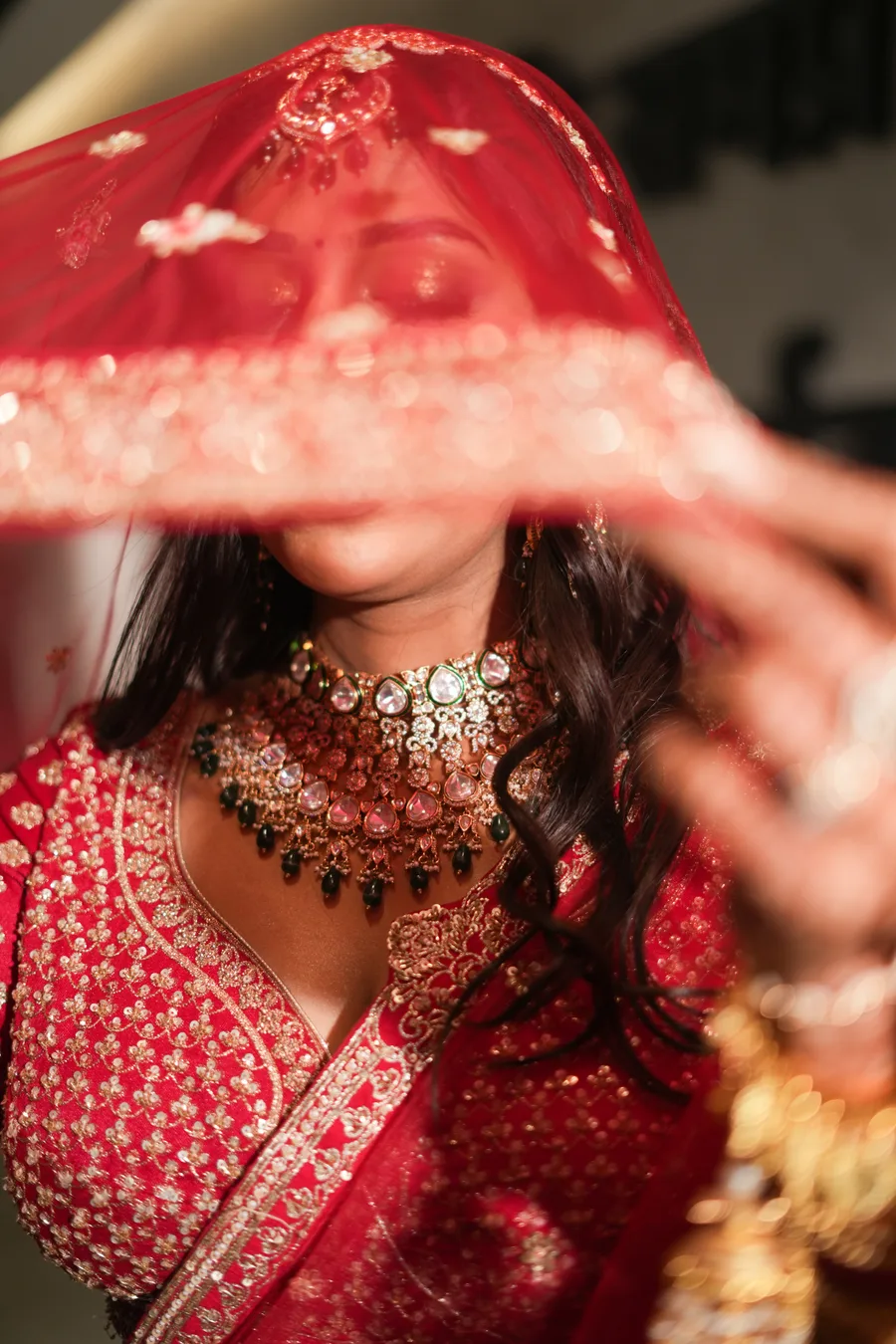
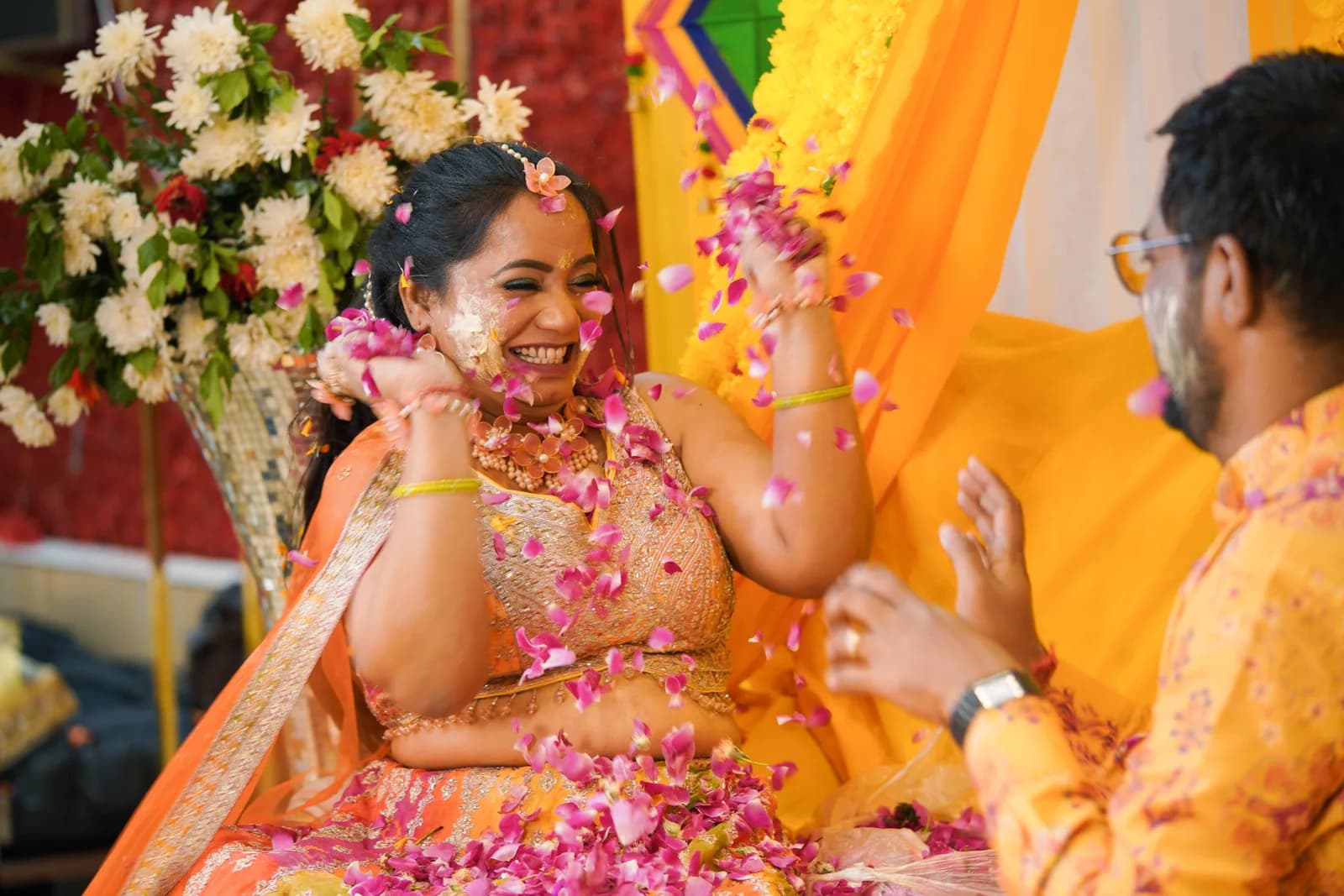
Candid wedding photography doesn't mean 'unposed'—that's a common misunderstanding that leads to disappointed couples. It means capturing genuine human moments: the grandmother's unguarded smile, the best friend's tears during vows, the nephew's unscripted joke at the reception. It requires a photographer who's positioned themselves to witness these moments as they unfold, not as a director orchestrating them. True candid photography is about presence and permission—being present enough to catch the moment, and skilled enough to know when to step back.
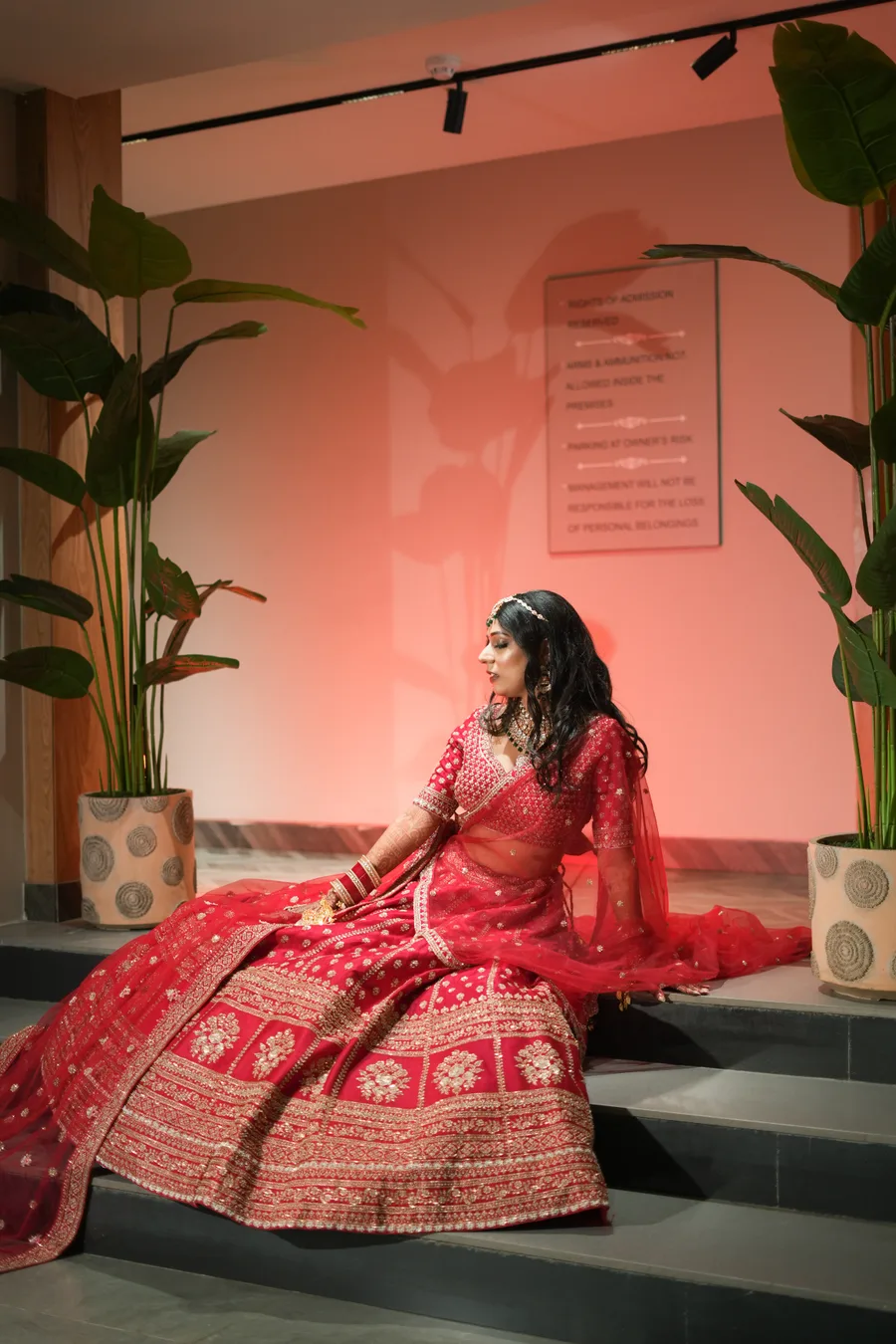
The philosophy underlying candid work treats the day as narrative rather than checklist. Instead of: 'We need couple portraits, family photos, reception dancing, exit shot,' it's: 'What's the story unfolding here, and where should I position myself to honour it honestly?' This doesn't mean no posed portraits happen; it means posed work feels like a conversation between photographer and couple rather than a directive. It requires trust between photographer and couple, and a shared understanding that the wedding day's meaning emerges gradually, not according to a predetermined schedule.
Candid Photography Requires Specific Technical and Interpersonal Skills
Technically, candid work demands fast cameras, excellent low-light capability, and lenses that let photographers stay at the periphery without compromising image quality. It requires understanding light well enough to anticipate where it will be beautiful five minutes from now, positioning yourself accordingly. It demands substantial post-processing discipline—the ability to look at hundreds of moments and recognise which ones are actually meaningful versus which just happened to occur.
Interpersonally, candid photographers must build genuine comfort with couples and guests. Nervous guests become stiff and self-conscious; trusting guests relax and allow authentic moments to surface. This means the photographer spends time before the wedding understanding couple's personalities, their relationships with specific people, and what kinds of moments matter most. They attend the rehearsal or speak extensively beforehand, not to stage moments but to understand dynamics so they can anticipate where genuine connection will emerge. This emotional labour is invisible in final images but crucial in their authenticity.
Candid Work Pairs Differently with Different Wedding Formats
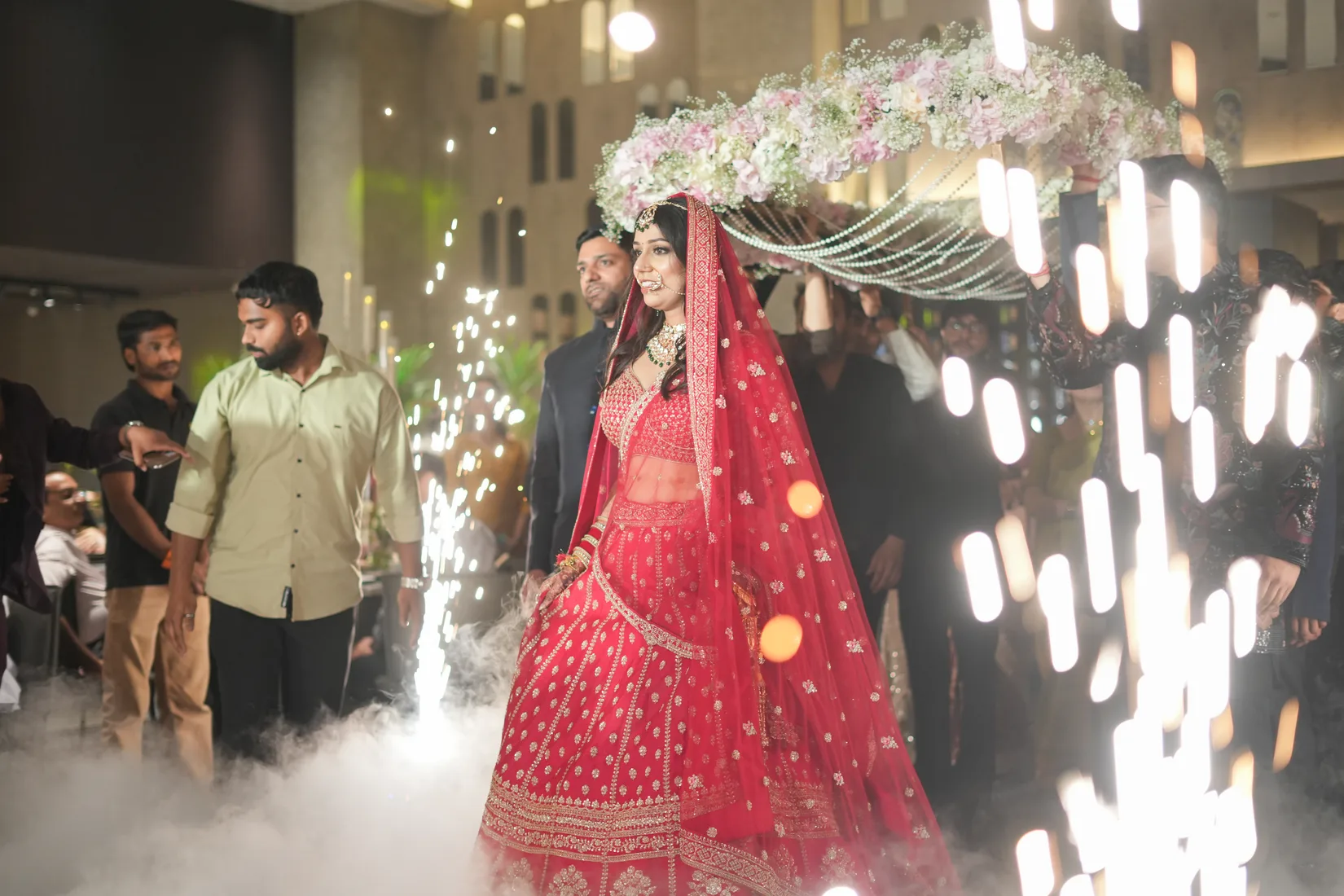
Candid photography excels in relatively intimate celebrations where the photographer can move freely and maintain presence throughout the day. It works beautifully when events unfold somewhat naturally—mehndi where guests dance gradually, not in scheduled performances; reception where conversations happen organically, not in blocked 'game time.' It's less suited to rigidly scheduled events with multiple simultaneous happenings, where the photographer must choose which moment to miss.
If your wedding involves large-scale choreography, specific family configurations for portraits, or multiple simultaneous venues, a candid-focused photographer might not be your best choice. Similarly, if you want extensive posed portraits or group photographs, pure candid work can feel incomplete—you might need a hybrid approach where a photographer does both candid capture and some intentional posing. Have an honest conversation with your photographer about your celebration's format and whether their style will deliver what you actually want, not what sounds conceptually appealing.
How Candid Photography Differs from Documentary and Photojournalistic Styles
Candid work is sometimes conflated with documentary or photojournalistic photography, but they're distinct approaches. Documentary photography aims to capture reality as objectively as possible, often with visible context; the photographer is a witness, present but separate. Photojournalistic wedding photography tells a narrative arc, structuring the day's moments into a coherent story with beginning, middle, and end.
Candid wedding photography is more intimate than both. It prioritises the emotional truth of specific moments over objective documentation or narrative structure. A candid photographer might remove distracting background elements in post-processing; a documentary photographer would preserve the full context. A candid photographer seeks the emotional peak of a moment; a photojournalist would include the moment's full arc, not just its crescendo. Understanding these distinctions helps you communicate clearly with your photographer about what emotional experience you want in your images.
Building Trust for Authentic Candid Work
Candid photography only works if couple and photographer have genuine rapport. Before committing, discuss your photographer's philosophy at length—not just their technical skills. Have they shot similar celebrations? Do they ask questions about your personalities, your relationships, your meaningful moments? Do they seem genuinely interested in your specific story, or are they applying a formula?
Schedule a pre-wedding shoot if possible, even a brief one—it's invaluable for building rhythm together. Use this time to assess whether you feel comfortable being genuinely yourselves in front of the camera, or whether you revert to posed stiffness. Good candid photographers help you relax into authenticity; if you still feel awkward after a pre-wedding session with them, that's useful information to act on. Chemistry matters here in ways it might not with other photographic styles.
Does Candid Photography Suit Your Celebration?
Candid work produces images of remarkable emotional honesty when you genuinely connect with your photographer and your celebration unfolds somewhat organically. The images feel alive, spontaneous, and deeply true because they are. But if you're more comfortable with direction, prefer structured moments, or want specific portraits, a photographer whose philosophy is pure candid might leave you feeling inadequately served.
The best approach often involves hybrid work: substantial candid capture mixed with intentional moments where you collaborate with your photographer to create something together. Ask your photographer about their hybrid options and whether they're equally skilled at both modes. If you're exploring candid photography for your celebration and want a photographer who understands how to capture genuine moments without losing structure entirely, we'd enjoy discussing your vision. Connect with us to share your style, and let's talk through how candid philosophy might serve your wedding best.