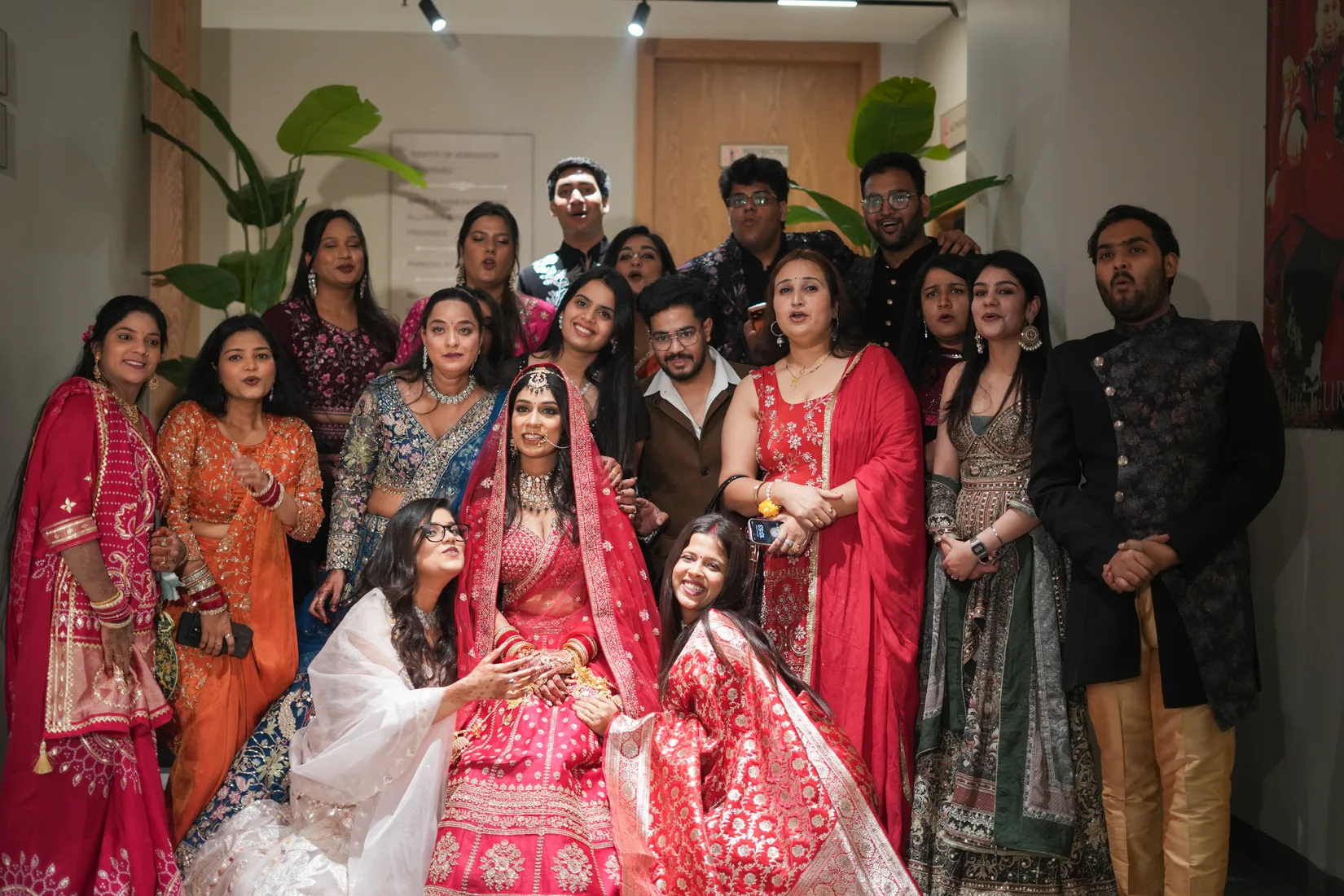
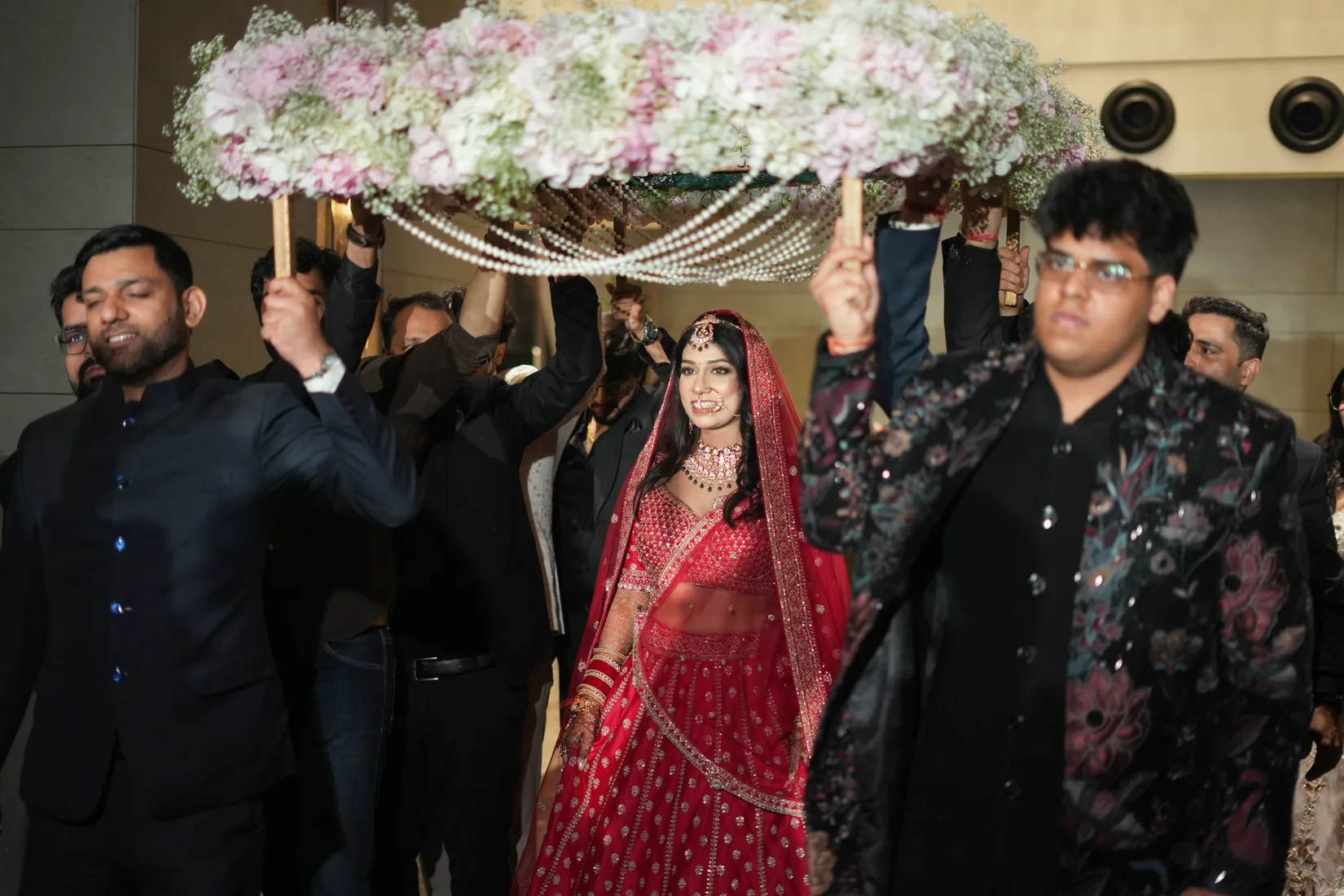
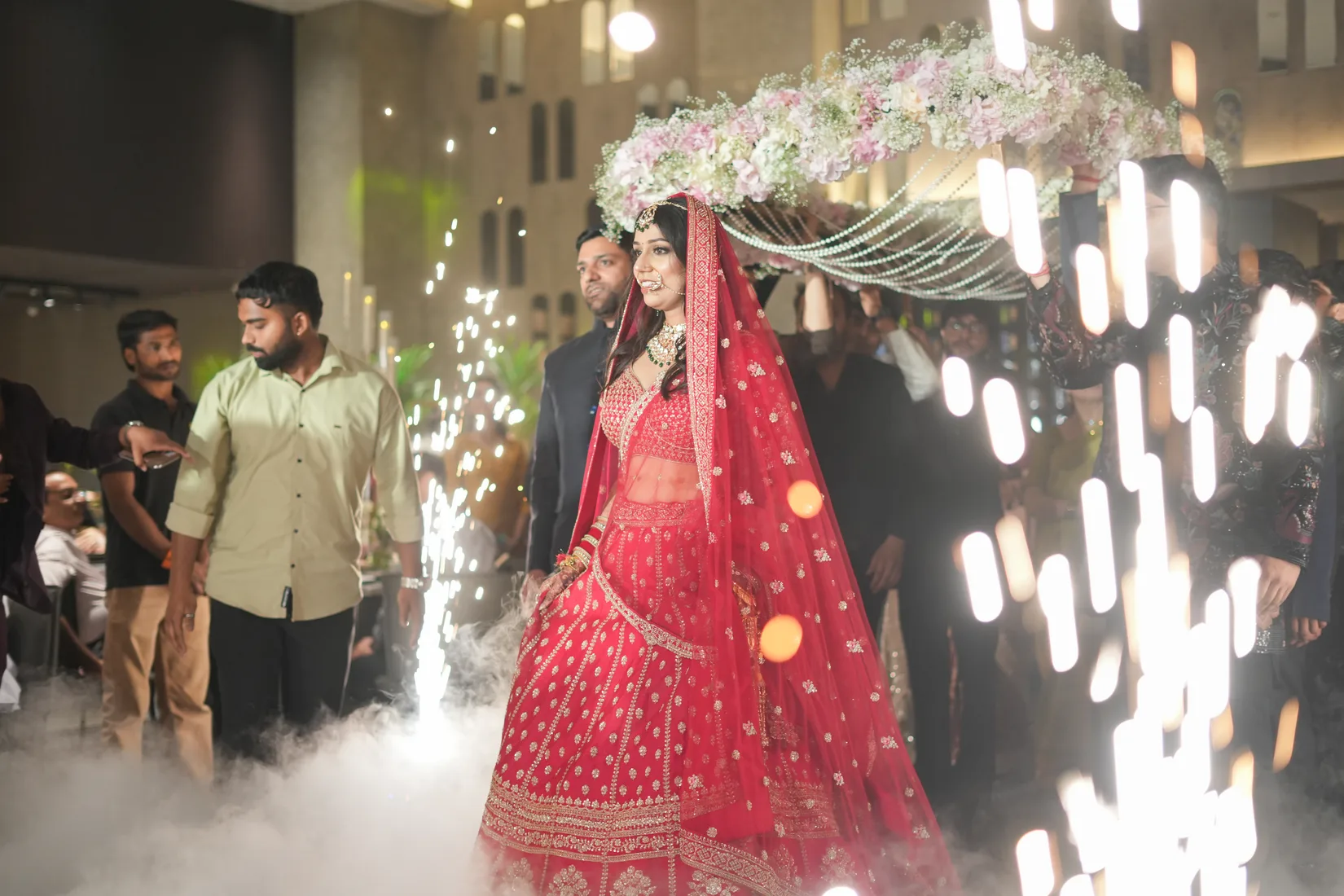
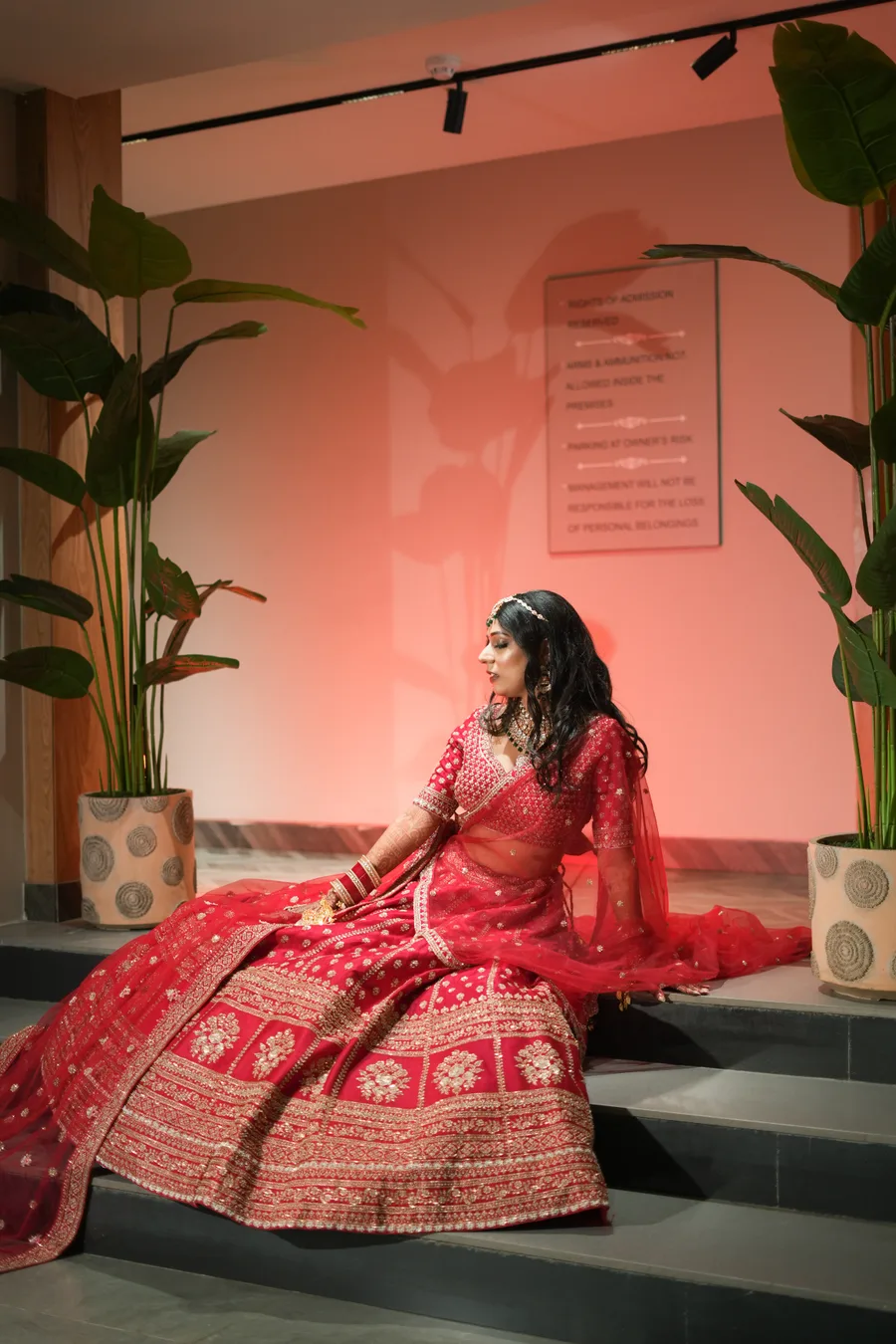
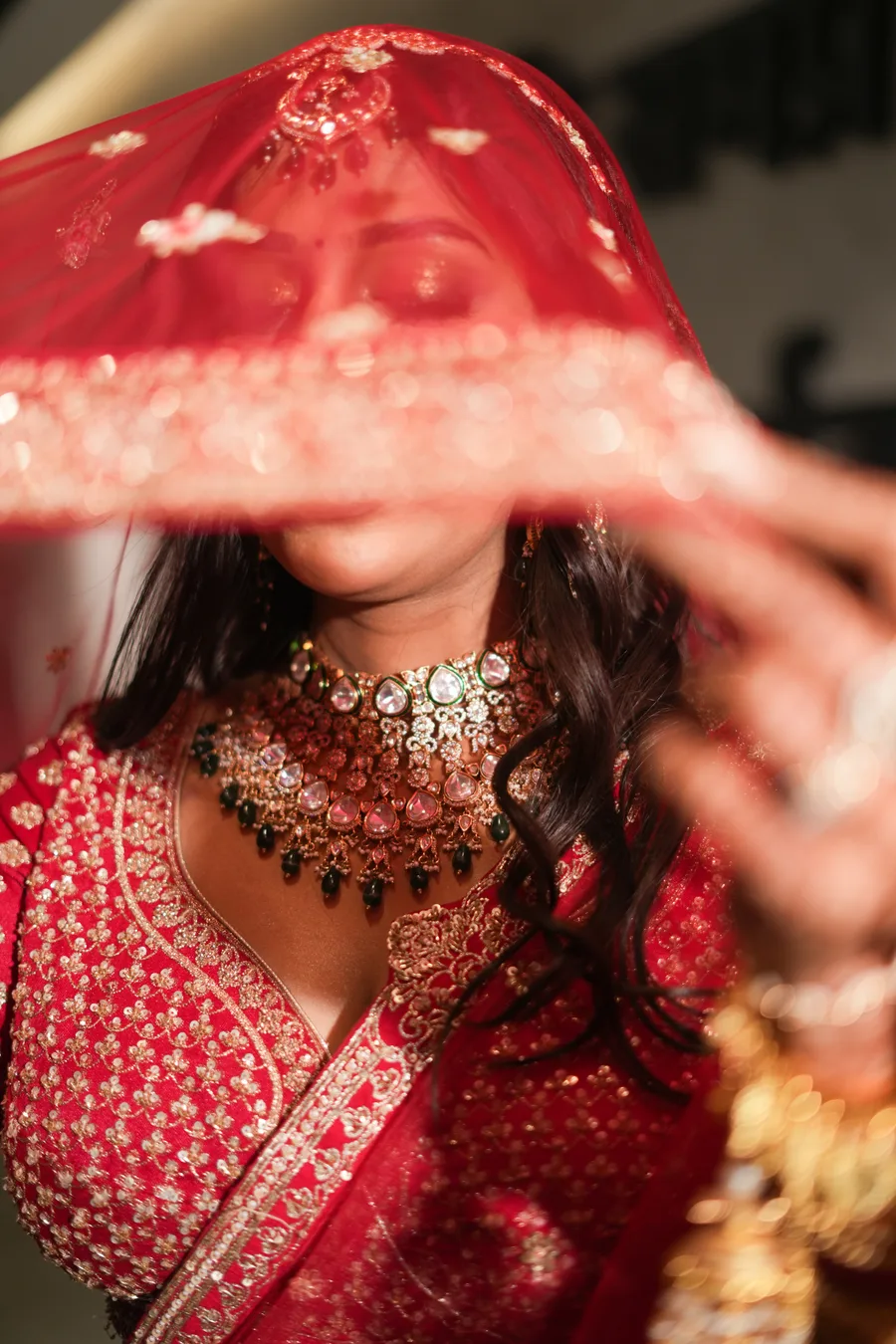
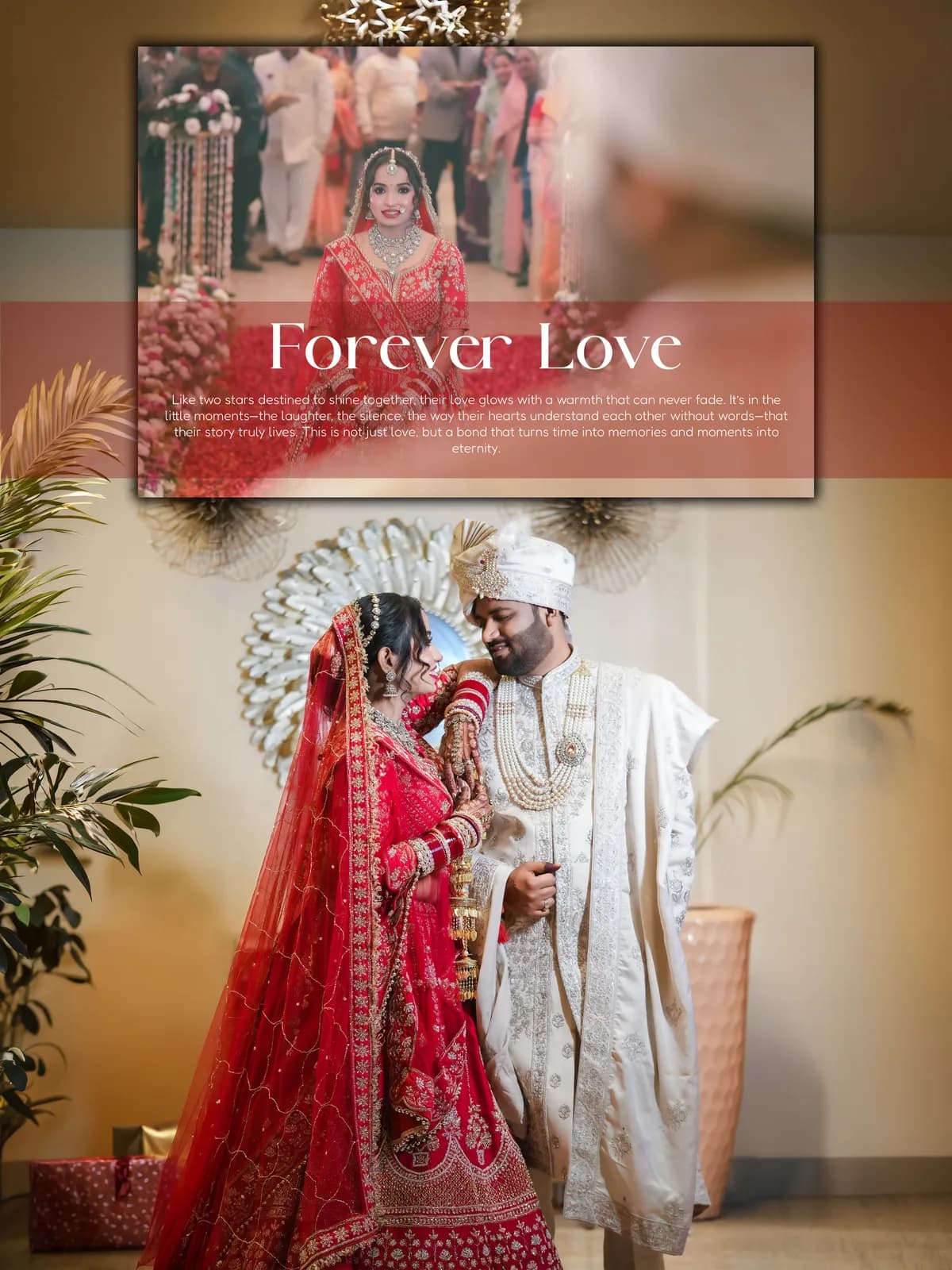
Not all jewellery photographs equally. The pieces that catch light beautifully in person might become lost or overwhelming on camera. Discover how to choose jewellery that shines on camera, from necklaces to earrings to every sparkling detail.
How Jewellery Photographs Differently Than It Appears in Person
Jewellery that shines on camera requires a fundamentally different selection strategy than jewellery you'd choose simply based on how it looks in daylight or under home lighting. The camera's flash, combined with professional lighting rigs, creates specific reflections and highlights that can either make jewellery photograph as absolutely stunning or as overwhelming, flat, or even distracting. A subtle, delicate necklace that looks elegant in person might become nearly invisible in wedding photographs, whilst a heavily bejewelled piece might photograph as overwhelming or distracting from your face.
Understanding how different metals, gemstones, and jewellery styles photograph is essential for making choices that ensure your jewellery enhances your photographs rather than detracting from them. The key principle is that jewellery designed to catch and reflect light photographs more beautifully than jewellery with matte finishes or subtle detail. This doesn't mean you must wear only bold, statement pieces; it means being intentional about selecting jewellery with appropriate reflectivity for photography.
Metals, Finishes, and How They Photograph
Gold jewellery, particularly in its lustrous finish, photographs beautifully under professional lighting and flash, creating warm, luxurious-looking images that enhance the overall aesthetic of your wedding photographs. Yellow gold photographs as rich and traditional, white gold photographs as cool and contemporary, and rose gold photographs as warm and romantic—each creating a distinct visual effect. The key is choosing a single metal tone for your wedding day jewellery, as mixing gold, silver, and rose gold on camera can sometimes photograph as visually chaotic rather than intentional.
Gold with a satiny or textured finish (rather than highly polished) photographs slightly more softly and might be preferable if you want your jewellery to enhance rather than dominate your photographs. Conversely, highly polished gold creates strong highlights and reflections that photograph as extra sparkly and luxurious. Similarly, silver or white metal jewellery photographs as cool and bright, which can either beautifully complement cool-toned lehengas or create visual tension if your outfit is warm-toned. The metal you choose should harmonise with your lehenga colour and the overall warmth or coolness of your chosen colour palette.
Gemstones, Sparkle, and Visual Impact
Gemstones photograph with varying degrees of sparkle and visual impact depending on their cut, clarity, and the lighting they're under. Diamonds and high-clarity stones with faceted cuts photograph with brilliant sparkle under professional lighting and flash, creating eye-catching highlights that can photograph beautifully but might also be slightly distracting if every single piece is maximally sparkly. Coloured gemstones—rubies, emeralds, sapphires—photograph with their colour depth, which can be either stunning or overwhelming depending on the stone's saturation and your overall makeup and outfit choices.
If your lehenga is heavily embellished with embroidery and beading, adding equally heavy jewellery with maximum sparkle might create visual noise in photographs. In this case, consider jewellery with a slightly more muted finish or pieces that shine without being overwhelmingly sparkly. Conversely, if your lehenga is relatively simple in colour and design, more statement jewellery with brilliant gemstones can photograph beautifully as the focal point of your outfit. The principle is visual balance: ensure your jewellery enhances your overall look rather than competing with it in photographs.
Layering, Scale, and Intentional Placement
Layered necklaces photograph beautifully when each layer is visible and distinct, but can photograph as a jumbled visual mess if they're too similar in length or if too many are worn simultaneously. The rule of thumb for wedding photography is: if you can't clearly see and distinguish each piece when you look down at your own chest, the necklace layering will likely photograph as confused or overly busy. Instead, choose pieces that layer at distinct points—a long pendant at the chest, a slightly shorter piece mid-chest, and perhaps a choker or shorter statement piece—so each is visually clear in photographs.
The scale of your jewellery should be proportionate to your frame and your outfit. Delicate, fine jewellery can photograph beautifully on petite brides or with simpler lehengas, but might disappear in photographs if you have a larger frame or are wearing a heavily embroidered outfit. Conversely, large statement pieces can sometimes photograph as overwhelming on petite frames. Consider your stature, your lehenga's visual weight and embellishment, and the overall aesthetic you're creating when choosing jewellery scale.
Earrings, Bangles, and Jewellery Visibility in Different Shots
Earrings photograph beautifully in close-up and profile shots, but might not be visible at all in full-body or couple shots if they're subtle or tucked behind your hair. If you're investing in statement earrings for your wedding day, ensure your hairstyle allows them to be seen and appreciated in at least some photographs. Dangly earrings photograph as romantic and detailed, whilst studs or semi-chandelier styles photograph as elegant and proportionate to various hairstyles. Consider which photographs matter most to you—if you want your earrings visible in bride-and-groom couple shots, ensure your hair allows this.
Bangles and bracelets photograph less prominently than necklaces or earrings, but they're still visible in close-up hand shots (especially during the ring exchange, henna application, or detail shots of your hands). If you're wearing a wedding bracelet or multiple bangles, ensure they're in good condition, polished, and contribute positively to your overall jewellery aesthetic. Mismatched or damaged bangles photograph noticeably, so invest in quality pieces even for jewellery that plays a secondary role in your photographs.
Creating Cohesion and Choosing with Your Photographer in Mind
The most successful bridal jewellery choices create a cohesive, intentional look that photographs as considered and beautiful, rather than randomly assembled. This means ensuring all your jewellery pieces feel like part of a unified aesthetic: traditional Indian gold jewellery, contemporary gemstone pieces, or a specific combination that reflects your personal style. Mixing radically different jewellery styles (ultra-traditional heavy gold alongside ultra-modern minimalist silver, for example) can photograph as confused rather than eclectically beautiful.
If possible, show your jewellery choices to your photographer beforehand and ask for their feedback on how the pieces will photograph together and with your chosen lehenga. They might notice that a particular necklace will be hidden by your lehenga's neckline, or that certain pieces will photograph more beautifully than others in your chosen venue's lighting. This collaborative approach ensures your jewellery choices are optimised for photography.