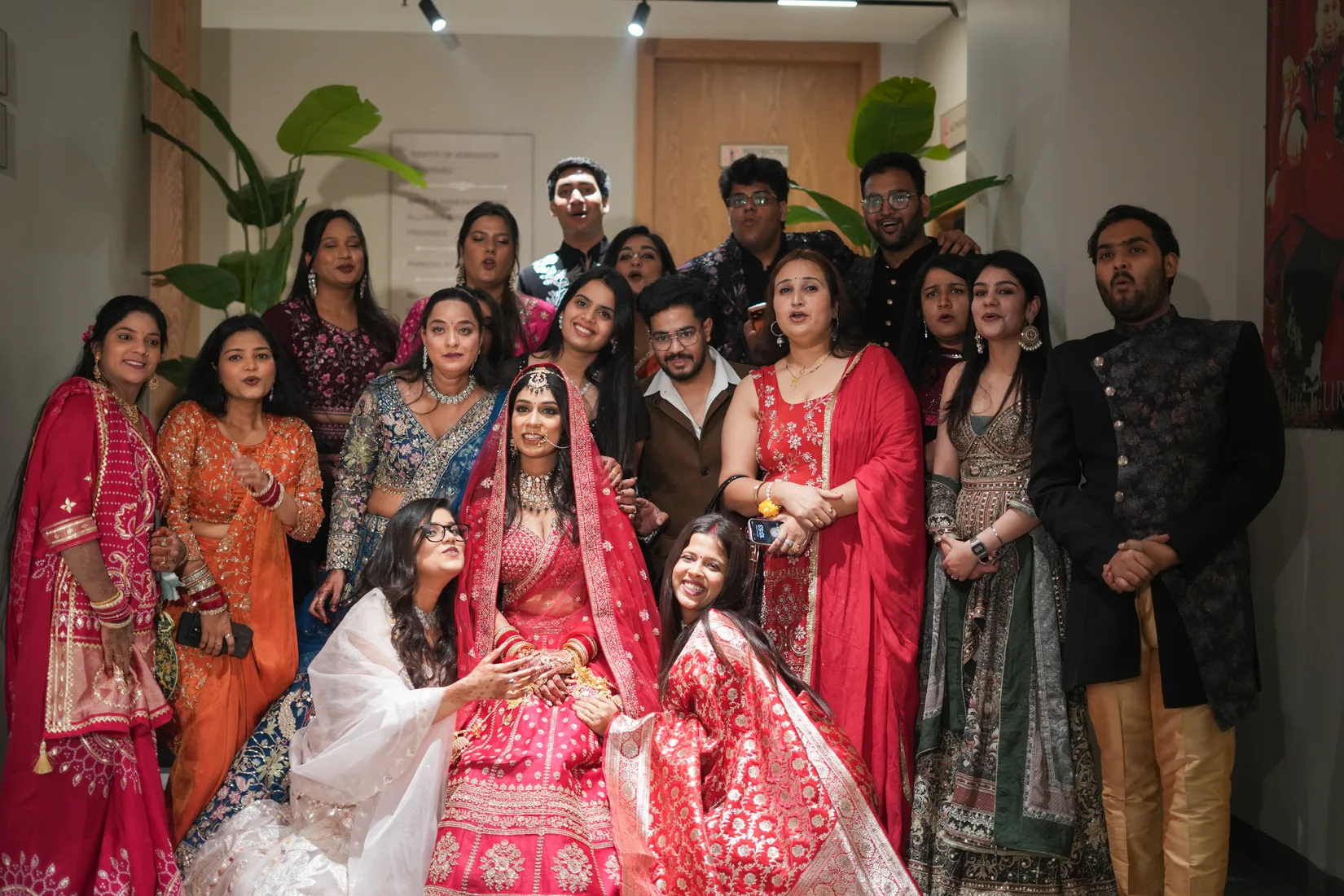
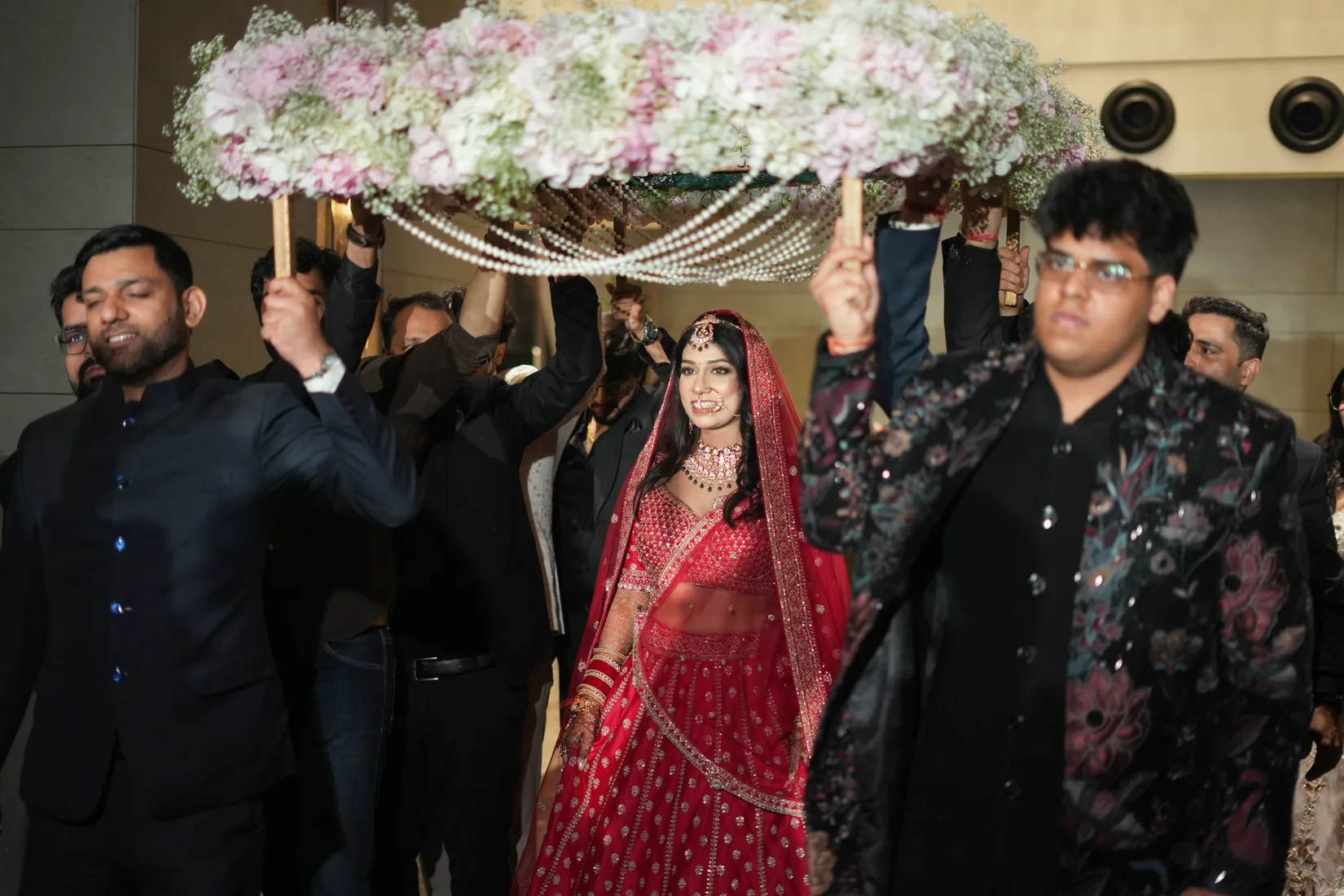
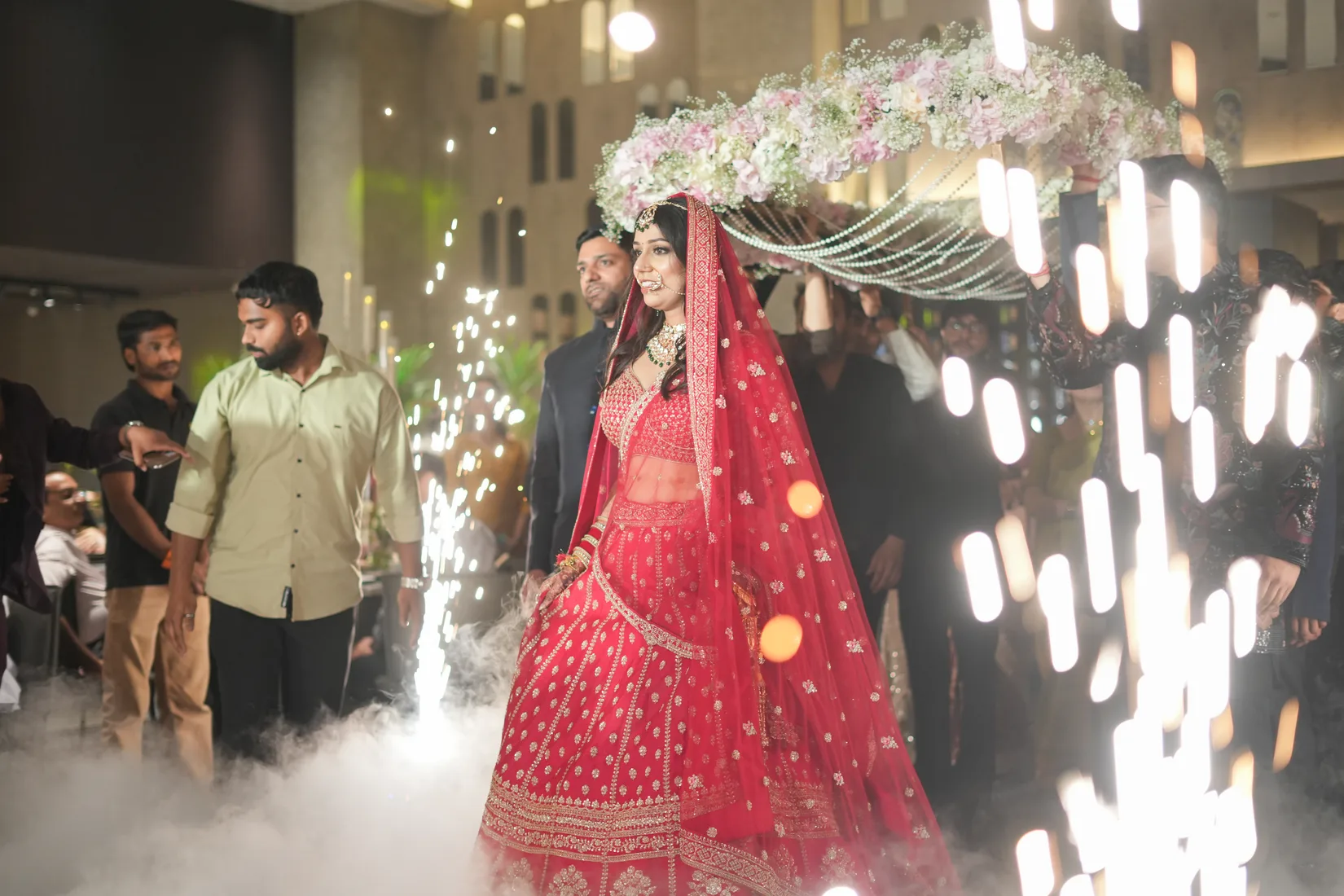
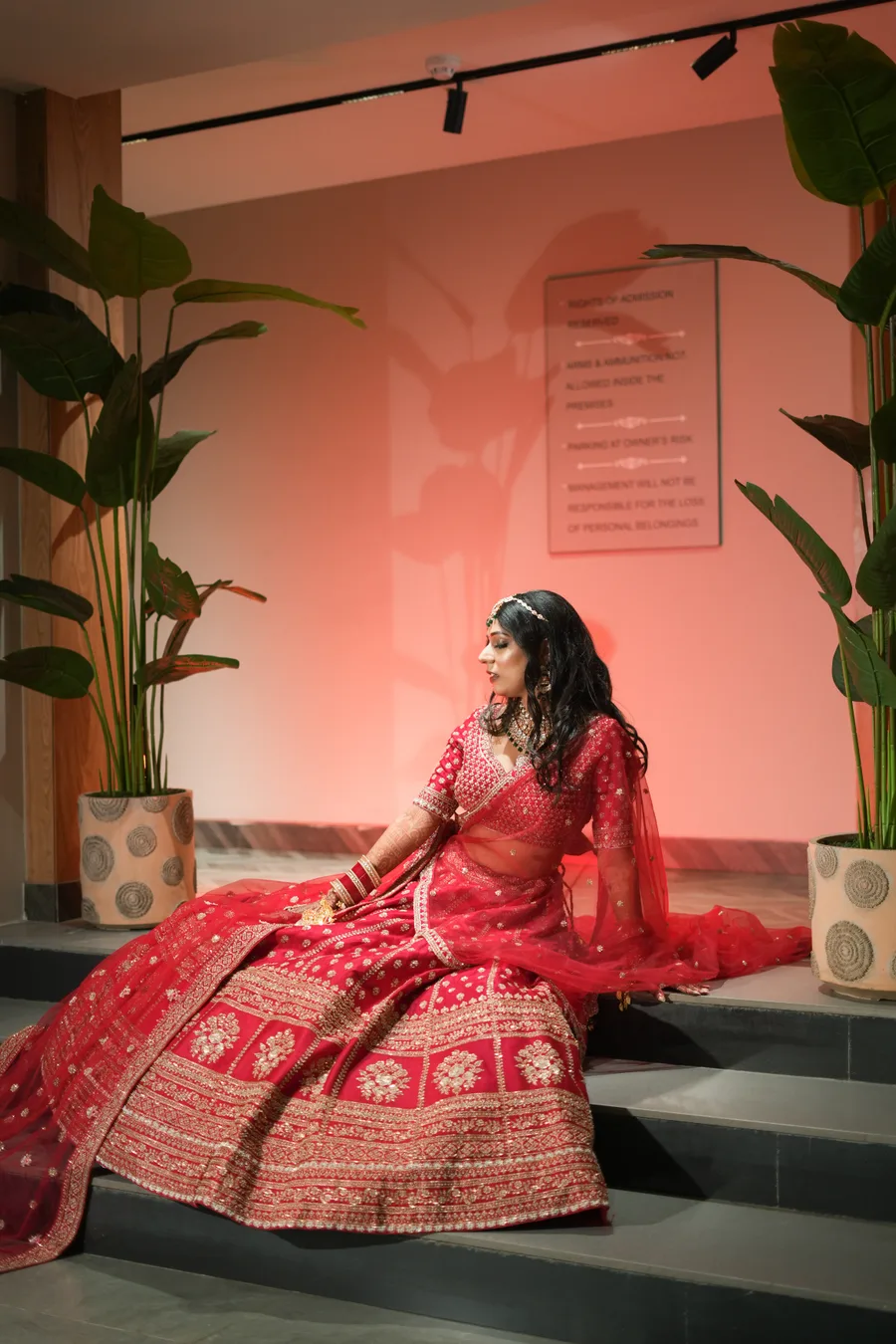
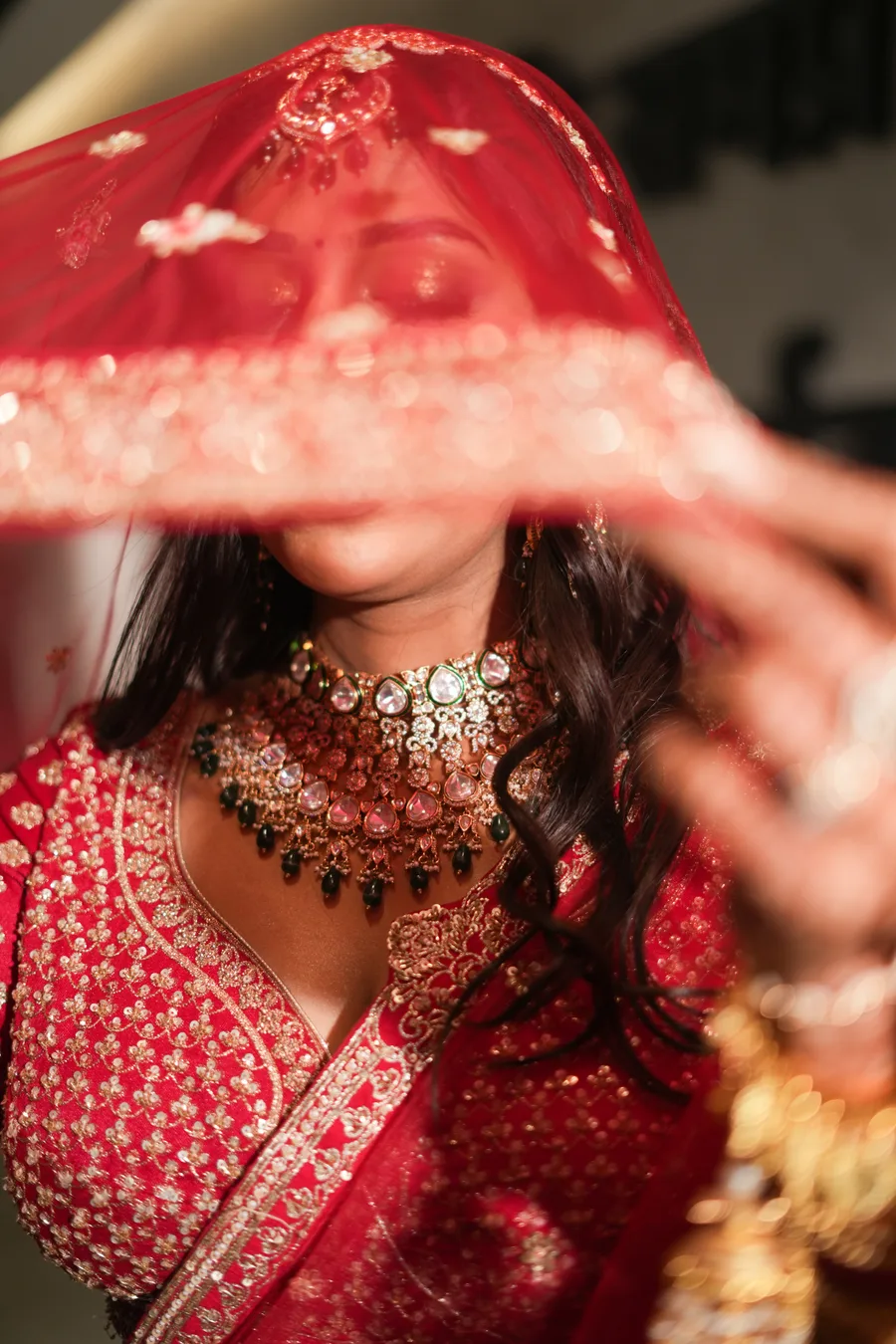
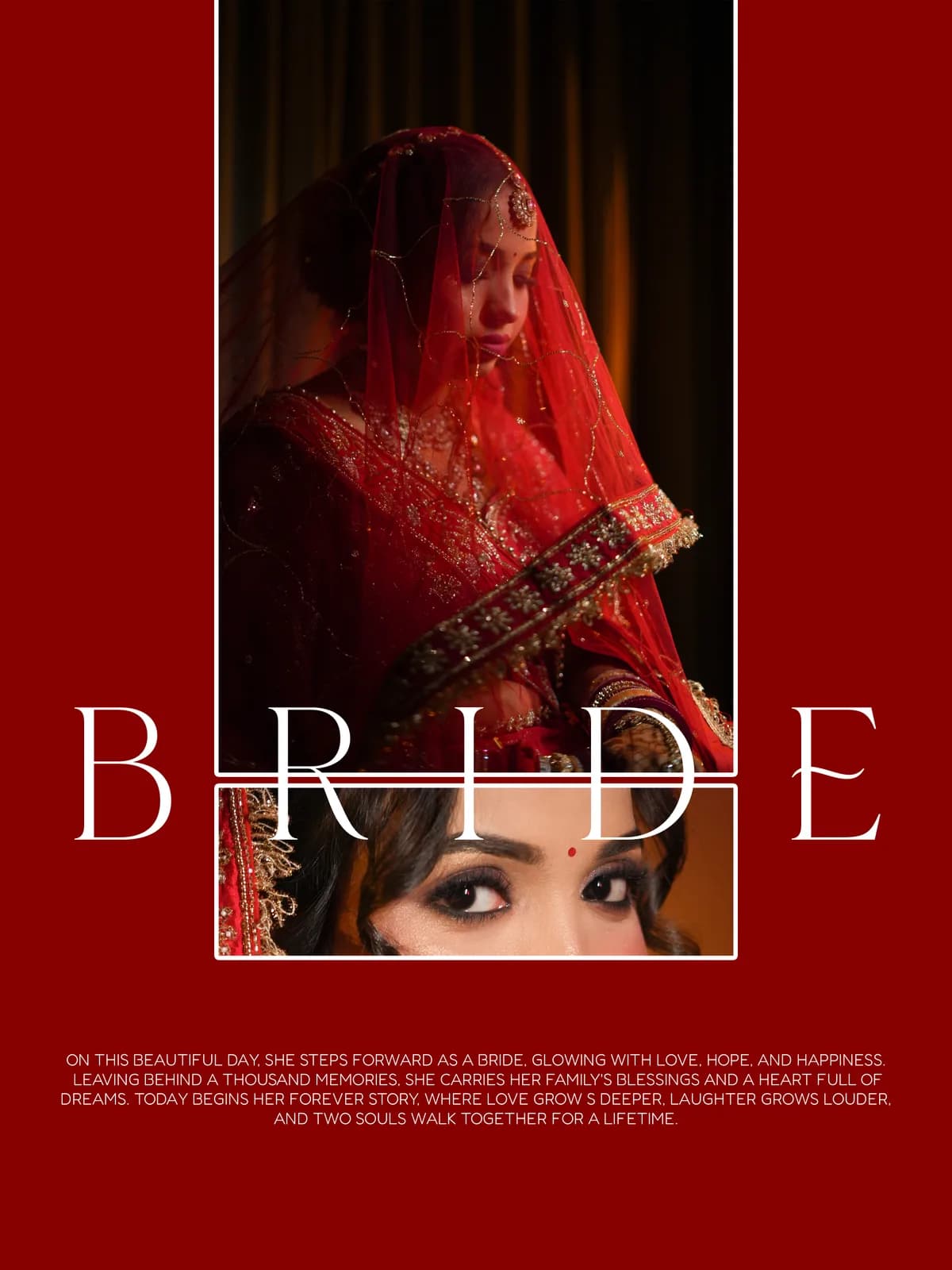
Perfect coordination doesn't mean matching outfits. Learn how to harmonise your bridal lehenga and groom's sherwani visually, creating beautiful couple photographs whilst maintaining each person's individual style and presence.
Why Coordinating as a Couple Without Matching Matters
Coordinating outfits as a couple in wedding photographs is fundamentally different from matching exactly, and this distinction is crucial for creating images where both partners look stunning individually whilst appearing visually harmonious together. When a couple matches too closely—identical colours, patterns, or styles—it can photograph as costume-like or diminish each person's individual presence in favour of viewing them as a unit. Conversely, when a couple's outfits clash or appear randomly assembled, the photographs feel discordant and visually uncomfortable.
The sweet spot lies in thoughtful coordination: choosing colours and styles that visually complement each other, creating a cohesive couple aesthetic in photographs whilst allowing each partner to express their personality and feel confident in their individual outfit. This balance requires considering colour relationships, visual weight, style coherence, and how both outfits will photograph together under various lighting conditions throughout the day.
Colour Harmony Without Matching
The foundation of successful couple coordination is colour harmony: selecting colours that look beautiful together without being identical. If your bride is wearing a deep burgundy lehenga, the groom might wear cream, champagne, gold, or even a very pale pink—colours that visually complement the burgundy without matching it. These colour pairings photograph as intentional and harmonious, creating visual unity in couple shots without the couple appearing like a matching set. The key is ensuring both colours exist in the same temperature range (both warm, both cool, or both neutral) so they naturally complement each other.
Alternatively, some couples choose to coordinate through complementary colours: a bride in jewel-toned emerald lehenga paired with a groom in warm cream or pale gold. This creates visual contrast and interest whilst maintaining harmony. The principle is that when the couple's colours photograph together, they should enhance each other rather than compete or clash. Test your colour combinations by photographing yourselves together in various lighting conditions before finalising your outfit choices.
Balancing Visual Weight and Embellishment
A bride wearing a heavily embroidered lehenga with layers of detail pairs beautifully with a groom in a simpler, more understated sherwani. This creates visual balance in couple photographs: there's sufficient detail and visual interest distributed across both partners without either one overwhelming the frame or appearing insignificant by comparison. Conversely, if both partners wear heavily embellished, detailed outfits, the couple photograph can become visually overwhelming and chaotic.
Consider the balance of your fabrics and details: if your bride's lehenga features extensive zari embroidery, the groom's sherwani might feature subtle patterning or minimal embellishment. If the bride's outfit is relatively simple in colour and design, the groom might wear a slightly more detailed or patterned sherwani. This isn't about one person outshining the other; it's about distributing visual interest so the couple photograph feels balanced and harmonious.
Styling Coherence and Personal Aesthetic
Successful couple coordination extends beyond colour to overall styling coherence. If your bride is creating a traditional, classic aesthetic with jewellery, dupatta styling, and makeup, the groom's outfit should feel equally traditional in spirit, even if the specific garments differ. Conversely, if the bride is creating a contemporary, fashion-forward look, the groom's outfit should reflect a similar sensibility. This doesn't mean identical styles; it means that when the couple stands together, their outfits feel like they belong to the same visual story.
This coherence also applies to accessories and jewellery. If one partner is wearing statement jewellery with maximum sparkle, the other partner should typically wear jewellery that's either equally statement-making or deliberately understated in complement, rather than mid-level jewellery that might photograph as an awkward compromise. Similarly, if one partner is wearing a heavily embellished dupatta or stole, the other should consider how their accessories layer with it visually.
Consistency Across Multiple Wedding Days
Many Indian weddings span multiple days and events—Mehendi, Sangeet, Haldi, and the main Shaadi—and coordinating your outfits across these events creates cohesive wedding photography and visual narrative. This doesn't mean wearing the same colours throughout; instead, consider choosing a unified colour palette or theme that carries through your various outfit choices. For example, if your Mehendi lehenga is warm-toned and your Sangeet lehenga is jewel-toned, ensure both coordinate beautifully with your main Shaadi lehenga in terms of overall aesthetic and colour temperature.
Similarly, if you're planning multiple outfit changes for your groom across wedding events, ensure these outfits feel like they belong to the same wedding story. A cream sherwani on day one and a dramatically different colour on day two might photograph as thoughtful variety or as slightly disconnected, depending on how well the outfit choices complement your bride's outfits for those respective days. The principle is ensuring that every day's couple photograph feels intentionally coordinated rather than accidentally mismatched.
Communication with Your Photographer and Final Decisions
Before finalising your outfit choices, schedule a consultation with your photographer (if you've already chosen one) and show them photographs or fabric swatches of both your intended lehenga and your groom's sherwani. Ask for their honest feedback on how the outfits will photograph together under your venue's lighting, and whether they suggest any adjustments for maximum photographic harmony. Photographers often spot issues that aren't immediately apparent—a colour combination that looks harmonious in daylight might photograph as slightly off under tent lighting, or a proportion might feel unbalanced once both full outfits are visualised together.
Consider doing a brief engagement or pre-wedding shoot in your wedding outfits if your timeline allows, which gives you the opportunity to see exactly how you photograph together before your wedding day. This also allows your photographer to advise on any final styling adjustments, ensuring your couple outfits are optimised for the most beautiful photographs.