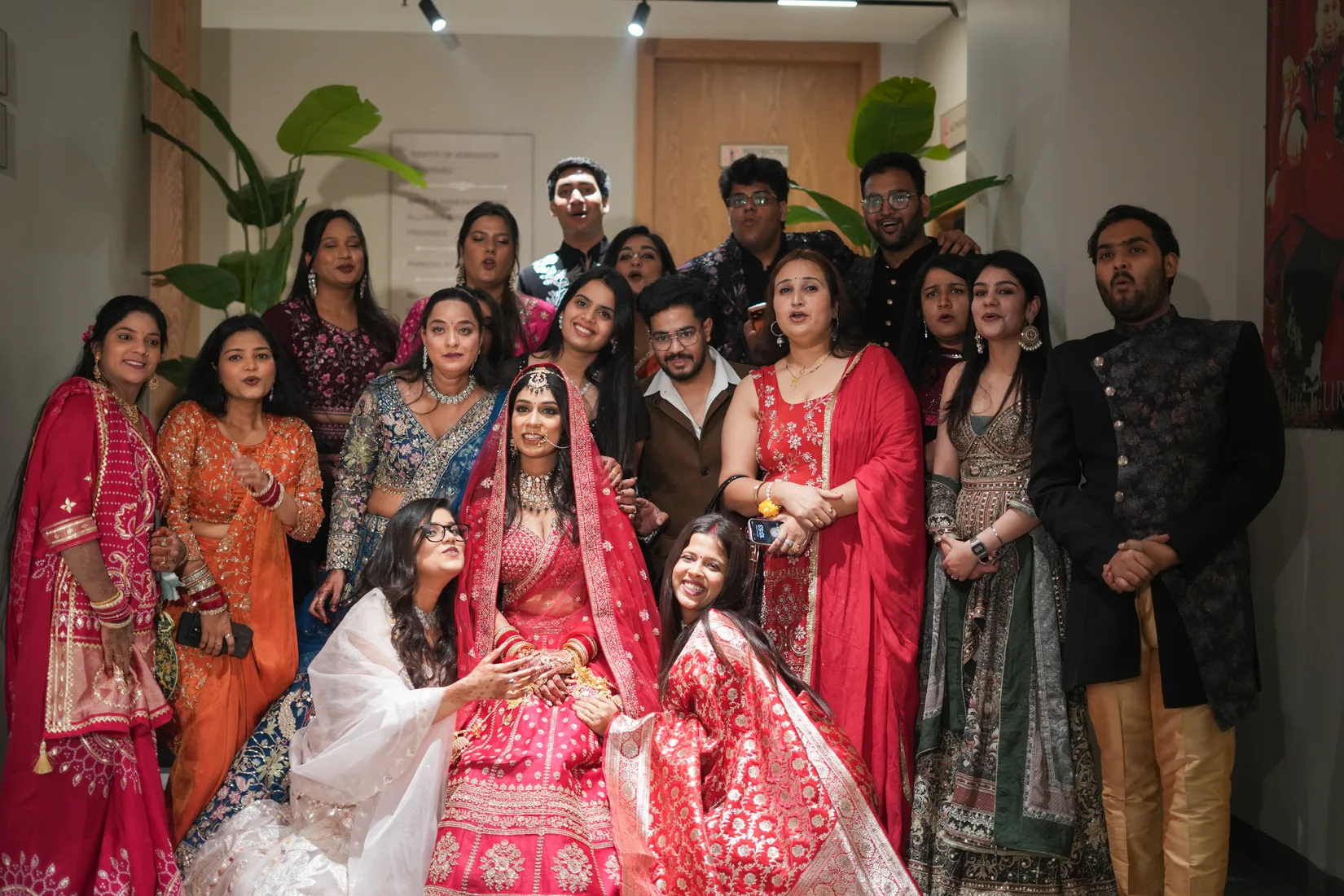
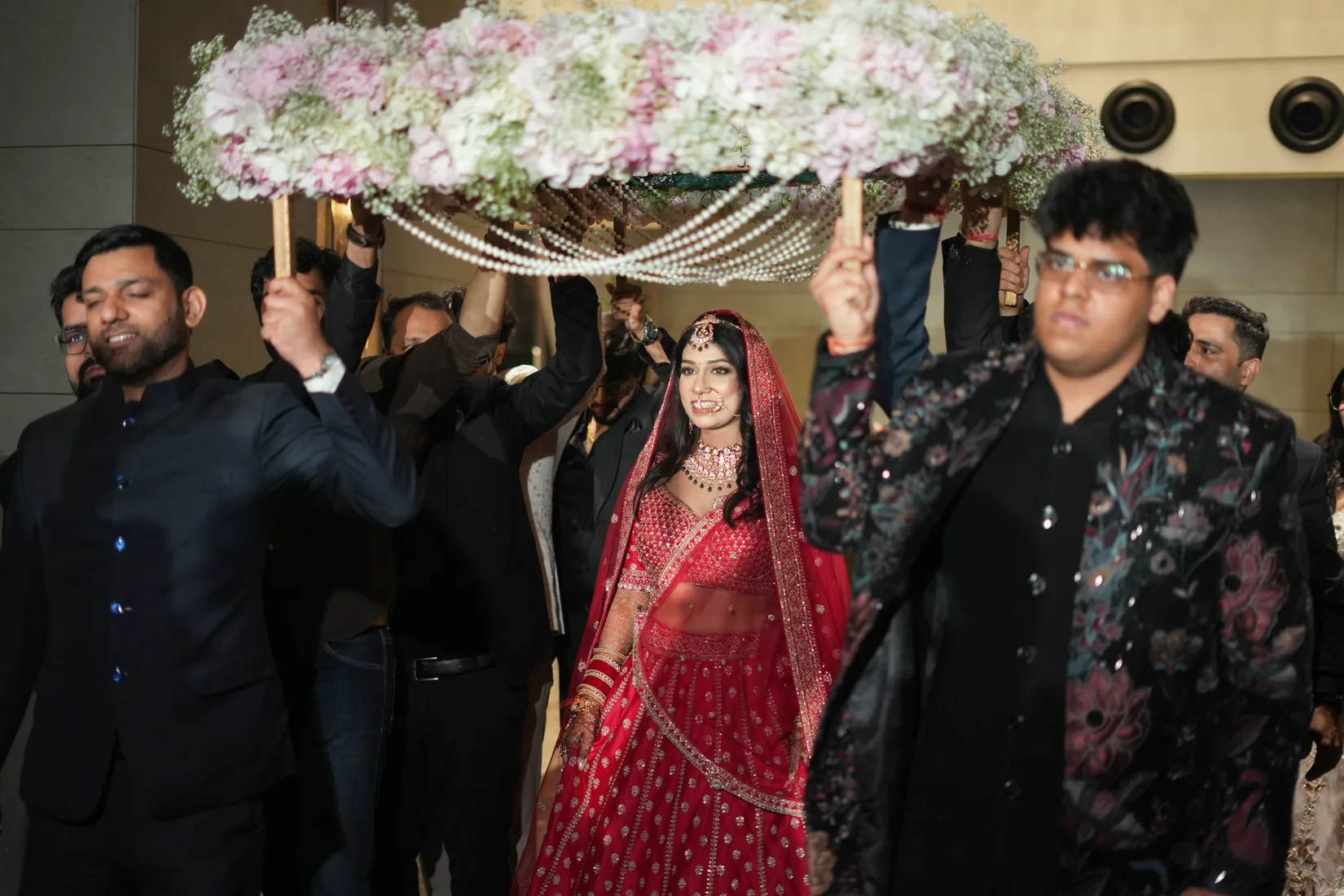
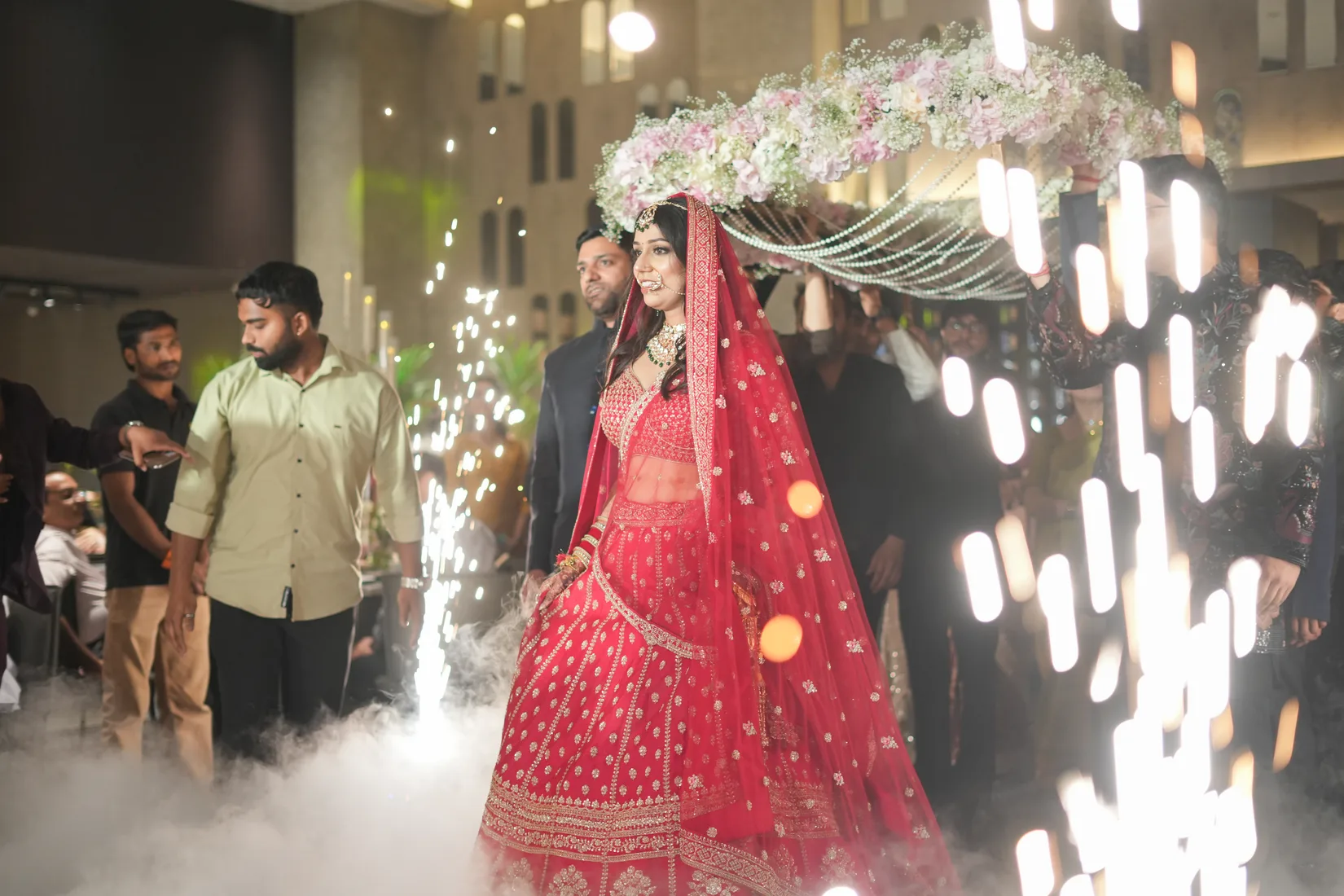
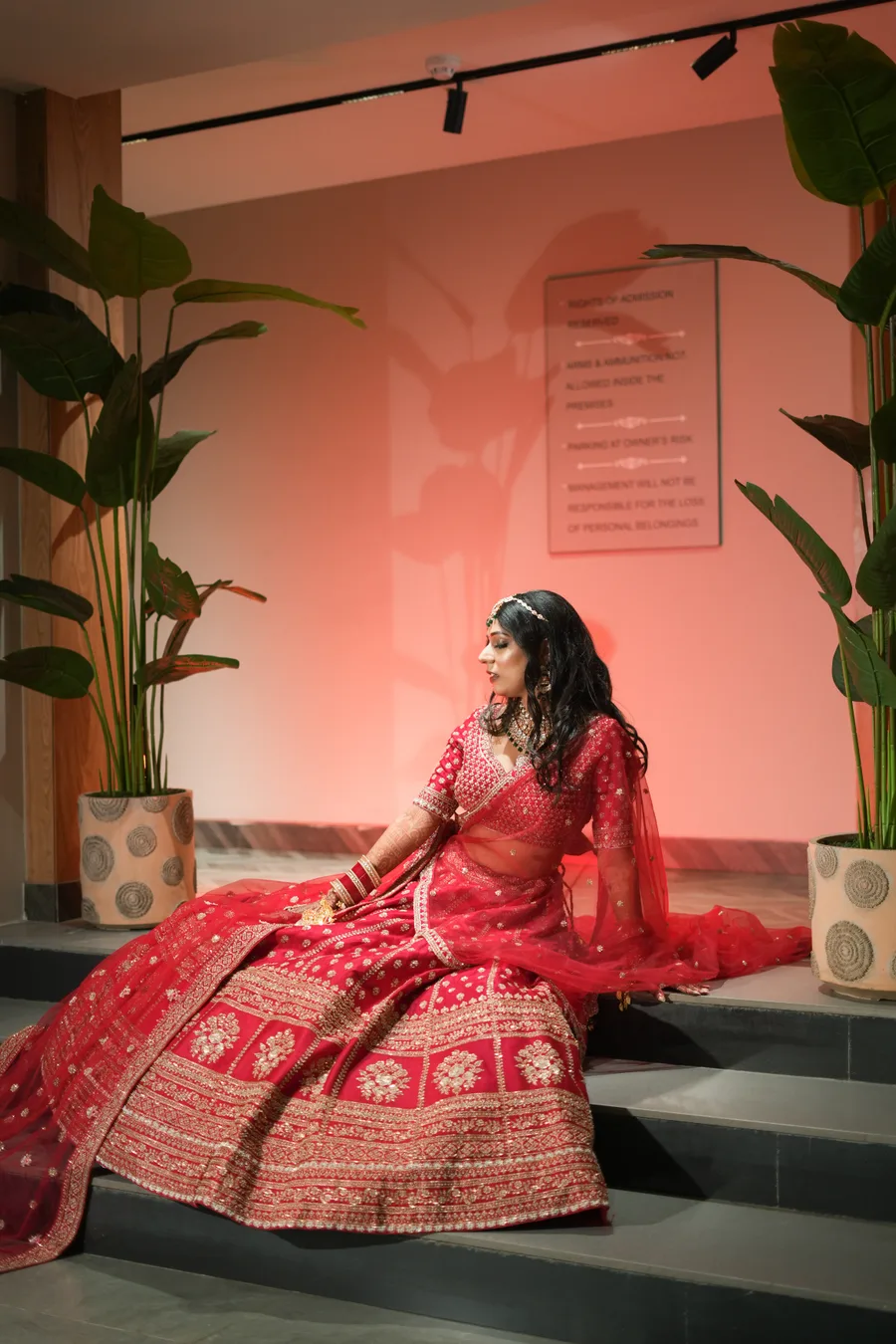
A beautiful wedding album is a tangible memory you'll revisit for years – unlike digital files that sit unsorted on hard drives. Designing a wedding album you'll actually open means thoughtful layout, quality printing, and meaningful sequencing.
Why Your Wedding Album Deserves to Be a Physical Object
In an age of digital everything – phone galleries, cloud storage, social media sharing – a wedding album might seem like a relic. Yet couples who invest in physical albums consistently report that they're among the most cherished wedding purchases, opened far more often than digital files are viewed. A wedding album is tactile, intentional, and finite in a way that digital collections never are. You can't accidentally delete a printed album; you can't scroll past its best images on your phone while searching for something else. When you open an album, you're committing to the experience of revisiting those moments.
An album also serves a generational purpose. Years from now, your children and grandchildren might not have access to your cloud storage or digital files – platforms change, links break, passwords are lost – but a beautifully printed album will remain. It becomes a family heirloom, a physical testament to a significant moment in your lives, durable and timeless in a way digital media can't match. Additionally, designing an album forces you and your photographer to curate, to make intentional choices about which images matter most and how to sequence them for emotional impact. This curation is valuable; it deepens your relationship with the images and creates a narrative flow that a random digital gallery never achieves.
Storytelling Through Sequencing: Building a Visual Narrative
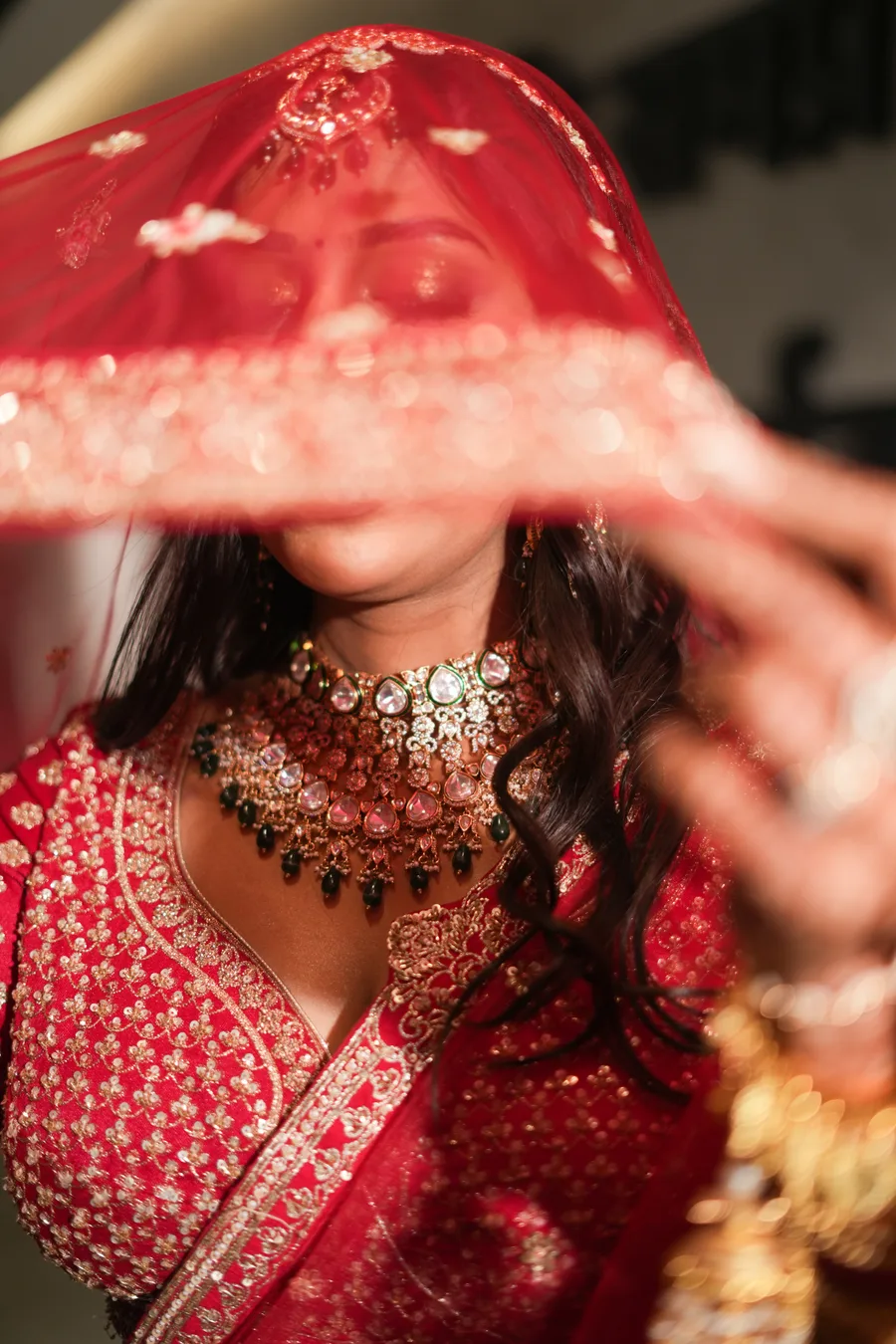
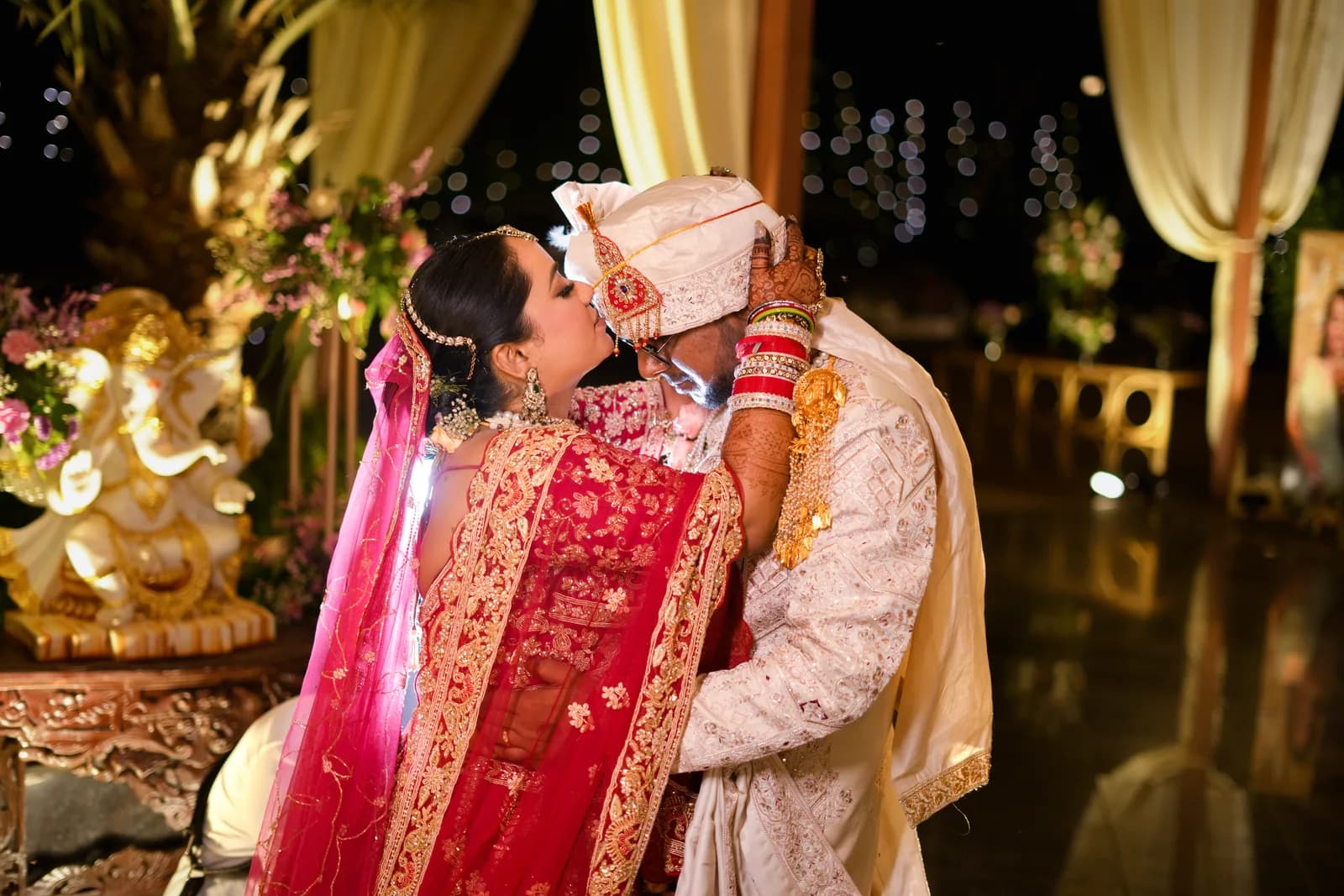
The heart of a meaningful album is sequencing – the order in which images appear and how each image relates to the one before and after it. A well-sequenced album tells a story with a beginning, middle, and end, even if it's a fairly straightforward wedding day narrative. Consider opening with a quiet, intimate moment – perhaps the bride getting ready, or a detail of her jewellery or dress. This draws the viewer in gently. Then expand outward: the bride's family, the groom preparing, the gathering of guests. Build toward the ceremony with images that create anticipation. Move through the ceremony arc – the entrance, the vows, the kiss. Then shift tone into celebration with reception moments, dances, and joy.
Effective sequencing also understands pacing and visual rhythm. Alternate between wide shots and intimate close-ups; alternate between moments with lots of people and quieter moments between the couple or with small groups. Include unexpected images – a detail, a reaction, a moment of genuine tenderness – between more expected event shots. This variation keeps the viewer engaged throughout. Also consider the physical turn of the page; the last image on a left page should ideally lead the viewer's eye toward the turn, making them want to see what comes next. The album designer should understand these principles and be able to articulate why images are placed where they are.
Paper, Binding, and Material Choices That Reflect Your Style
The physical qualities of your album matter profoundly. Paper type affects how images look and feel – glossy paper is vibrant and crisp, matte paper is soft and sophisticated, lustre paper offers a middle ground. For wedding albums, most photographers recommend lustre or fine art papers that render skin tones beautifully and have a timeless feel. The album's binding can be traditional (pages sewn in with a bound spine) or more modern (lay-flat binding that allows pages to open completely flat). Lay-flat binding is excellent for wedding albums because it allows you to see full spreads without a gap in the middle disrupting two-page compositions.
Cover materials range from simple – a dust jacket over printed paper – to luxurious, such as leather, linen, or custom fabrics. Your choice should balance durability with aesthetics. A leather album will age beautifully and feel premium, but it's susceptible to wear and requires care. Linen is softer and more affordable while still feeling elegant. Some couples choose minimalist covers with clean typography; others prefer texture and embellishment. Size matters too – a large album (11×14 inches or bigger) is commanding and impressive when opened, while a smaller album (8×10 inches) is more intimate and portable. There's no 'right' choice; it depends on your aesthetic and how you imagine using the album. If you see yourself revisiting it regularly and sharing it with guests, a larger album invites lingering.
Working with an Album Designer or Design Software
Depending on your photographer's workflow, you might work with a dedicated album designer – someone who specialises in album layouts – use design software yourself, or collaborate with your photographer on the design. If you're working with a professional designer, they'll typically create multiple design concepts for you to choose from, then refine based on your feedback. This is collaborative – the designer brings expertise in composition and visual flow, while you bring knowledge of your aesthetic preferences and which moments matter most.
If you're designing the album yourself using software platforms like Artifact Uprising or Asana Bamboo, start by selecting your best images, then arrange them chronologically or thematically as a starting point. Then begin to refine – remove images that don't add value, reorder to create better flow, and think about two-page spreads as your design unit. Leave white space; don't overcrowd pages with too many images. Limit your font choices to one or two complementary typefaces. Include minimal text – perhaps page numbers, a date, or brief captions – to let the images speak. Most importantly, step back regularly and imagine how you'd feel paging through the album. Does the flow feel right? Does it tell your story? Would you want to open this album in five years?
Creating an Album That Withstands Time and Tells Your Story Forever
An album is a long-term investment, so think beyond your immediate post-wedding excitement. How will you feel about this album in two years, ten years, fifty years? Will the images feel timeless, or overly trendy? Have you included enough of the atmosphere and details that you'll remember the specific feel of the day, or only the 'highlight' moments? The best albums are those that balance the spectacular – the dress, the ceremony, the celebration – with the tender and specific: a moment with your mother, the details of the venue, genuine laughter.
Also consider whether your album tells the full story or focuses on particular aspects. Some albums follow the day chronologically and comprehensively; others are more artistic, focusing on aesthetic themes or emotional arcs rather than complete coverage. Both approaches are valid. Finally, preserve your album carefully. Store it in a cool, dry place away from direct sunlight. Avoid eating or drinking while paging through it. Consider displaying it beautifully on a coffee table or bookshelf where it invites regular viewing. At Lens9 Studio, we approach album design as an extension of wedding storytelling – not an afterthought, but an integral part of how you'll experience your images for decades to come. We'll work with you to select and sequence your images thoughtfully, guide you through material and format choices, and create an album that you'll genuinely want to open again and again.