Farmhouse venues offer sprawling grounds, golden-hour light, and flexible spaces perfect for multi-day celebrations. Learn how professional photography captures the best of these intimate, outdoor settings.
Why Farmhouse Weddings Have Captured Delhi-NCR Hearts
Farmhouse weddings have become the definitive choice for couples across Delhi-NCR who crave space, flexibility, and a canvas that feels distinctly their own. These sprawling properties—often set in the outskirts or agricultural regions surrounding the city—offer something that banquet halls simply cannot: multiple distinct venues within a single location, uninterrupted views, and the freedom to shape the experience without architectural constraints. A farmhouse wedding might unfold across a lawned ceremony space, a decorated barn or pavilion, perhaps a poolside cocktail area, and a decorated courtyard for dancing—each location offering its own photographic possibilities and natural drama.
The appeal is both emotional and practical. Couples feel less constrained by rigid timelines and architectural formality, guests experience a more relaxed atmosphere, and photographers discover genuine variety within a single event. Unlike urban venues where the bride is dressed indoors under fluorescent light and then ushered into a ballroom, farmhouse celebrations often begin with the couple arriving, with preparations unfolding in natural settings, and with golden-hour light playing across genuine, unmanufactured moments. This shift in how a wedding unfolds creates a fundamentally different photographic narrative—one that leans into authenticity, landscape, and the interplay between celebration and location.
Golden Hour Glory: Timing Your Key Shots
The greatest gift a farmhouse offers photographers is access to extended golden light, yet exploiting it requires deliberate planning and flexibility. Golden hour—that 30 to 60 minutes after sunrise or before sunset when sunlight turns warm and diffuse—can be scheduled and protected, but only if the timeline accounts for it. Smart planning means the first look, couple portraits, or key ceremonial moments happen when the sun is low and warm, rather than being squeezed into harsh midday light or abandoned to twilight when fast lenses and tripods become essential.
This doesn't require rigid scheduling; it means understanding the sun's arc that day and protecting moments when the light becomes collaborative rather than combative. If the ceremony is at 4 p.m. on a December evening in Delhi, the golden hour may already be fading—so perhaps the vows happen slightly earlier, or couple portraits happen before the ceremony rather than after. If a summer wedding means sunset at 8 p.m., there is time for a full dinner service and still capture the light on the bride's face as she leaves the dance floor. The photographer's job includes gently guiding the couple and planner toward light, not against it. Checking sun position apps weeks before, discussing timelines with the family, and having an articulate reason for suggested timing—'The late afternoon light will catch the lawn beautifully at this moment'—can transform the aesthetic quality of an entire album.
Navigating Variable Lighting Across Multiple Zones
A farmhouse isn't a single, controlled lighting environment; it's typically several distinct zones, each with its own light quality, colour temperature, and challenges. The ceremony might be on open lawn with direct sun, the haldi in a covered pavilion with dappled light, cocktails beside a pool reflecting hard light, and the reception in a decorated courtyard with overhead lights strung between trees. Shooting across these varied conditions requires flexibility in settings and aesthetic consistency in post-processing.
In-camera, this means shooting in aperture priority or shutter priority rather than full manual, allowing you to adjust as you move between zones. A fast lens (f/1.8 or wider) becomes essential for the pavilion where light is diffuse but dim, while stopping down to f/4 or f/5.6 in open sun protects you from overexposure and keeps the entire couple in focus during ceremony and family portraits. What unifies these disparate images in post is a consistent approach to white balance and a subtle, consistent grade that feels like the same celebration, even as the light sources change dramatically. Many farmhouse albums benefit from a slightly warmer colour cast overall—nothing artificial, but enough to make even the overlit cocktail photos feel like they belong to the same warm, golden day.
Capturing Candid Energy in Open Spaces
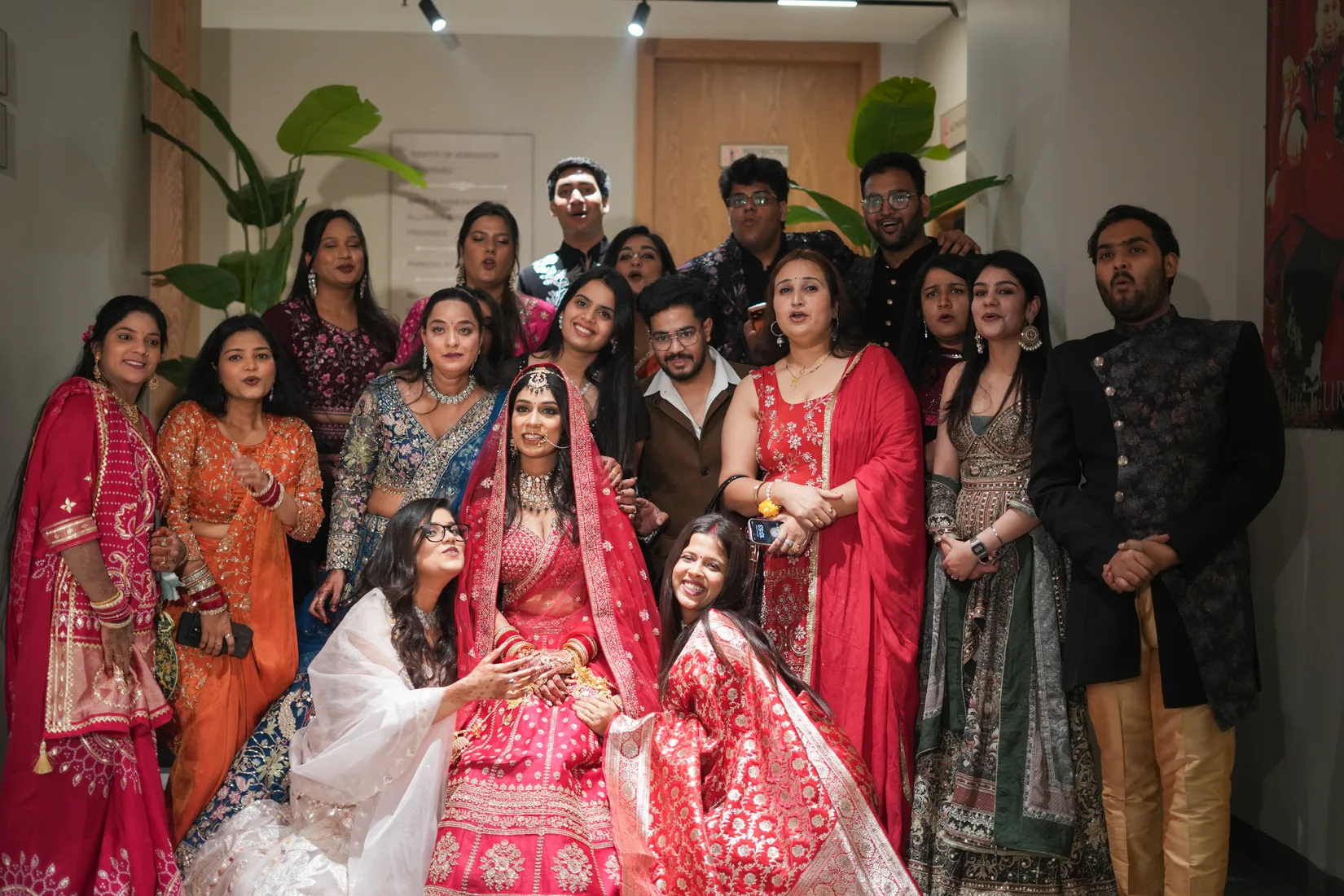
The open, informal nature of a farmhouse wedding generates candid moments that enclosed venues rarely do. Guests walk freely between spaces, music carries across a lawn, children play in the background, cousins gather for impromptu conversations in corners—all of this creates a visual richness that feels earned rather than staged. As a photographer, your challenge is to be everywhere without being intrusive, to anticipate gatherings and transitions without interrupting them.
This is where rangefinder-style documentary photography excels. A second camera with a wider lens (35mm or 50mm) allows you to capture environmental context alongside your main detail work. Rather than always shooting with a telephoto from a distance, get closer to conversations and celebrations, let the farmhouse landscape surround your subjects, and compose so that the setting becomes part of the story. The best candid photographs from farmhouse weddings often show people laughing or talking with open sky, trees, or architectural elements framing them—not isolated against a white wall or dark background. Stay mobile, anticipate transitions between spaces, and don't stay rooted to one vantage point waiting for moments to come to you; move into them.
Post-Wedding Relocation: Haldi, Mehendi, and the Farmhouse Flow
Many farmhouse weddings extend across multiple days—mehendi and haldi often happen at the same venue before the main wedding—which creates a distinctive photographic opportunity and challenge. Couples and families have already invested in traveling to the farmhouse, so weeklong celebrations aren't uncommon, especially for families who have flown in from other cities or countries.
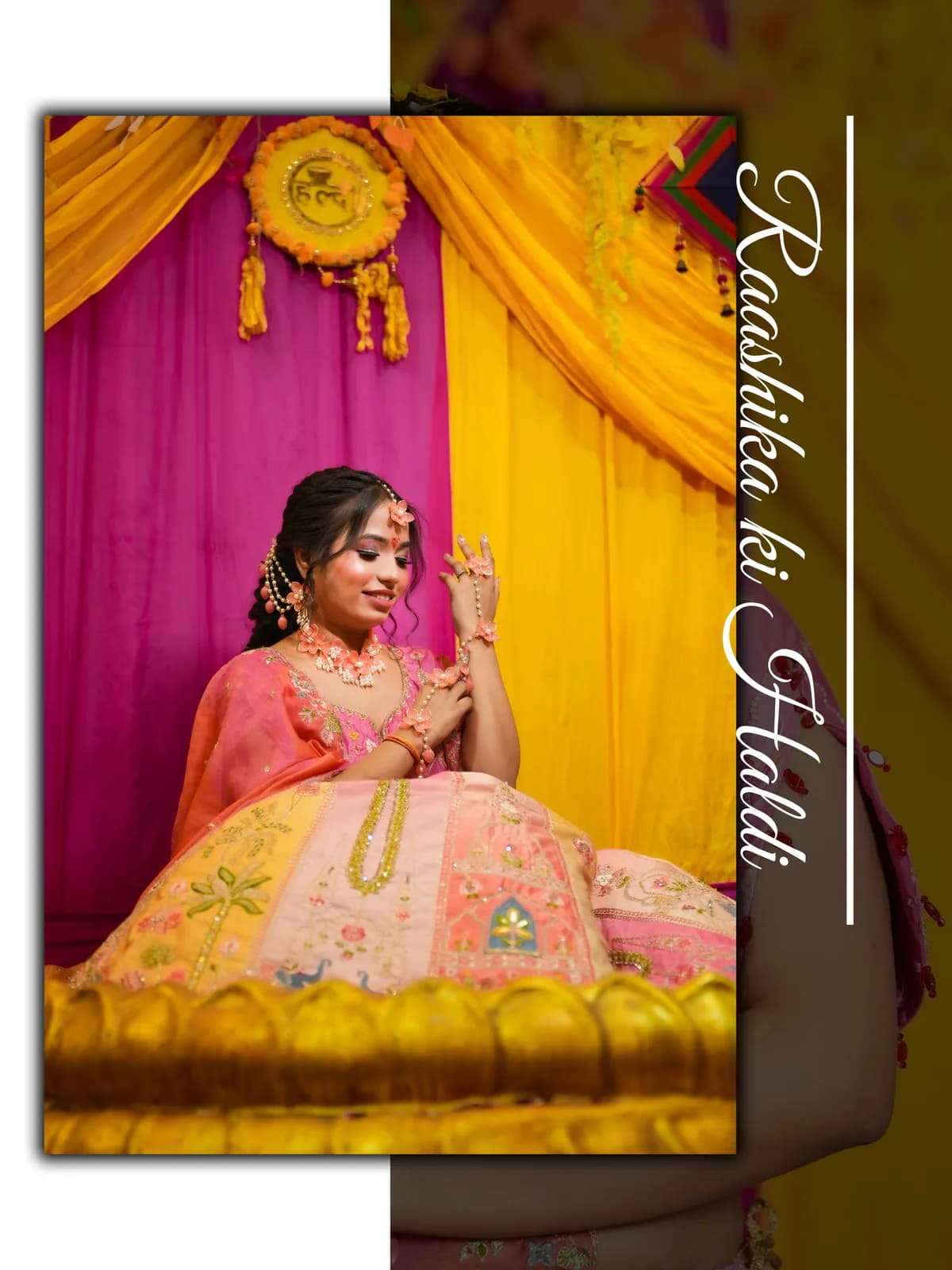
Photographically, this means understanding the distinct energy and light of each event. Mehendi is often bright, daytime, chaotic, and joyful—with family members in traditional dress dancing freely. It calls for vibrant, saturated colours, wide apertures to isolate smiling faces from the background, and a higher shooting volume because moments are quick and overlapping. Haldi, by contrast, is often more intimate, ritualistic, and warm-toned (literally—the turmeric paste carries golden and ochre hues). The light is typically late afternoon or indoor, the mood is more contemplative mixed with laughter, and the photographs benefit from a slightly softer touch and tighter focus on expressions and details. Carrying this thread of visual storytelling across three events at the same location—rather than making each feel like a disconnected photoshoot—requires consistency in your colour grading, composition choices, and the types of moments you prioritise. The farmhouse becomes a character in the story, its light and spaces familiar and evolving across the days.