Gardens provide romance and natural beauty, but outdoor light is unpredictable. Master techniques for harnessing sunlight, managing shadows, and creating stunning outdoor wedding photographs.
The Garden Canvas: Outdoor Weddings in India
Gardens offer what few venues can: organic beauty, layered light, and the sense that the celebration is nested within something larger than itself. Whether it's a manicured garden in Delhi, a sprawling estate outside Bangalore, or a heritage garden open for events, outdoor settings provide a canvas that shifts through the day with light and shadow, and whose beauty requires photographers to think differently about composition, timing, and adaptation.
The appeal of garden weddings is simultaneously their greatest asset and their primary challenge. The light is constantly changing, the colours vary by season and time of day, and the weather remains perpetually uncertain. Yet within these variables lies the possibility of creating images that feel timeless and genuinely romantic—couples against blooming florals, genuine golden-hour light, the interplay of shade and shine, the sky as a backdrop rather than a neutral ceiling. A garden wedding album can feel like a luxury editorial shoot if photographed with intention; it demands flexibility, technical skill, and an understanding of how to work with natural elements rather than against them. The couple must be beautiful, yes, but so must the light, and the composition must honour both.
Sun Position, Shadow Direction, and Timeline Planning
The sun's position at the time of your wedding is the single most influential factor in the day's visual success. A ceremony scheduled at midday in midsummer means harsh, ugly shadows under eyes and chins, bright blown highlights, and a pale, flat sky. The same ceremony at 5 p.m. in December means the sun is low, warm, and directional—potentially spectacular light, but with perhaps only 90 minutes before dusk.
Coordinate early with the couple and their planner about ceremony timing by discussing light specifically. In November-February in most of India, you have golden light from 4 p.m. onward; a 4:30 or 5 p.m. ceremony means the couple can exchange vows in beautiful light. In May-July, the sun is fierce and high all day; an 11 a.m. ceremony under shade structures works better than a 5 p.m. ceremony where the light is bright but feels tired. Understand not just the time of sunset (which you can calculate with sun position apps), but the quality of light at different times. A 6 p.m. ceremony in July might offer bright, warm light because the sun is still high; a 6 p.m. ceremony in November is already twilight. Check the actual sun position and direction weeks before the event using a tool like The Photographer's Ephemeris or SunCalc, and identify where the sun will be relative to the ceremony space. If the bride will be walking toward the sun, she'll be backlit and her face in shadow; if she walks with the sun behind her or to the side, her face is better lit. Suggest timing and positioning based on actual sun geometry, not intuition. Many couples will adjust timings slightly if you can explain that the light will be notably better at 4:45 instead of 4 p.m., or that a particular area of the garden offers better light at a particular hour. This conversation is part of professional guidance.
Diffusion, Reflectors, and Light Sculpting
Beyond timing, photographers can actively shape and influence the light available to them. A diffusion panel—essentially a translucent white or silver fabric—held above a couple's heads softens harsh midday light and creates a gentle directional glow. A reflector bounces light into shadows (typically gold or silver side, depending on whether you want warmth or contrast). While a large reflector setup requires an assistant to hold and position, many garden ceremonies are small enough or have enough natural diffusion (trees, shade structures) that you can scout carefully and find moments where the ambient light works beautifully.
Bring diffusion and reflector materials, but use them judiciously. A garden's appeal comes partly from the natural light; overdoing artificial modification—using a massive diffuser for every photo, flooding shadows with reflector light—can make images feel processed rather than organic. Sometimes the most beautiful approach is to position the couple where the garden's existing elements (trees providing dappled shade, a wall creating directional light, a pavilion creating soft shadow) naturally diffuse or shape light. When you do use light-shaping tools, the goal is subtle enhancement, not obvious intervention. Reflector use might be as simple as angling a small gold reflector into a bride's shadowed face during a detail shot; diffusion might be a barely-visible circle of fabric held slightly above the couple during an afternoon ceremony, catching harsh light before it reaches them. The best light sculpting is the kind the couple doesn't consciously notice, but which makes them look radiant and the images feel effortless. In strong sunlight, a reflector might show up as flare if positioned directly, so angle it subtly; a diffuser held just out of frame might be all that's needed to soften a bride's harsh top light. These are tools for refinement, not rescue.
Creating Atmosphere as Light Fades
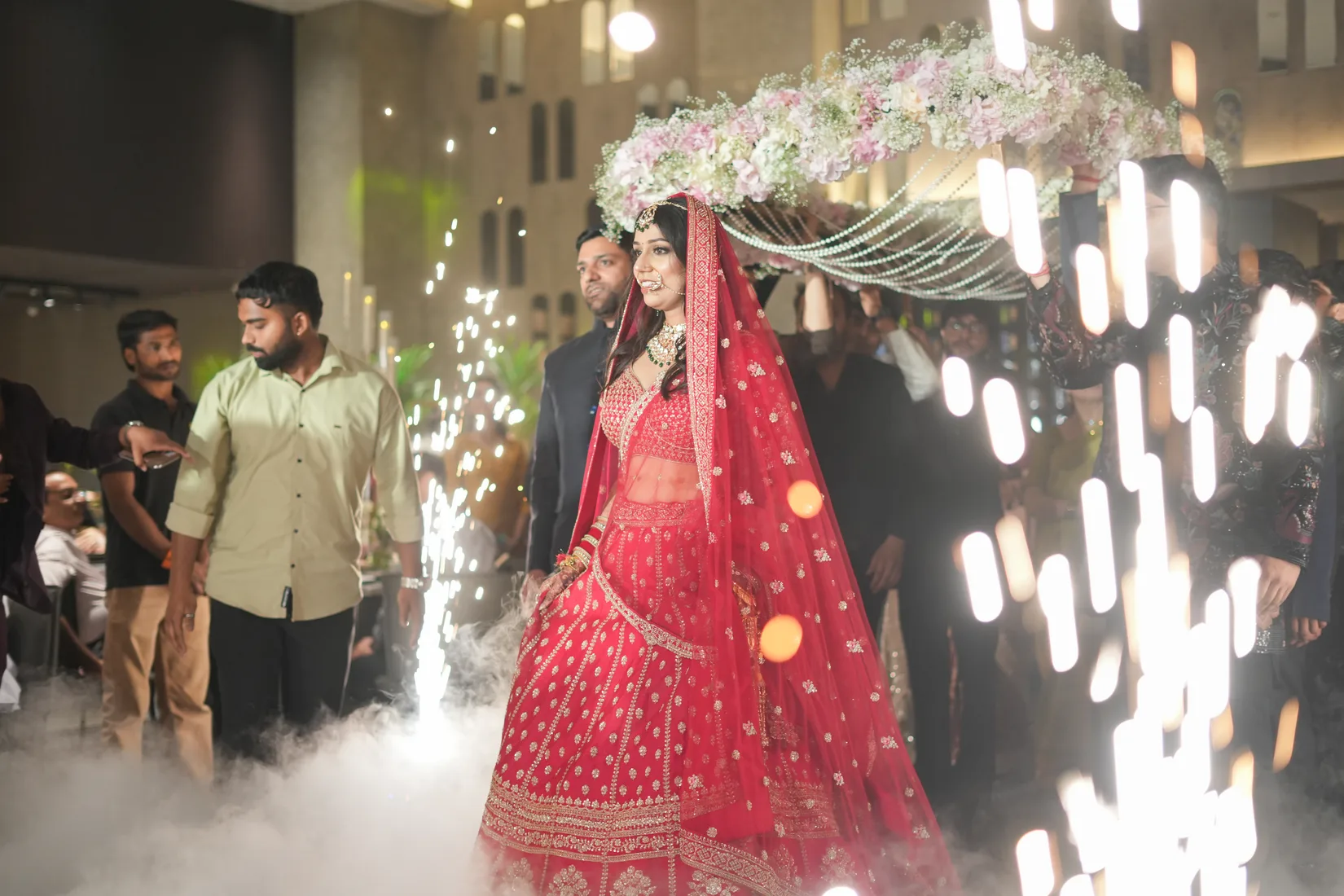
A garden wedding often continues into twilight or dusk—the reception moves into the evening, lights are strung overhead, candles flicker on tables. This transition from daylight to artificial light requires photographers to recalibrate settings, white balance, and aesthetic approach multiple times during a single event. The challenge is maintaining visual cohesion across these very different lighting regimes.
As natural light fades, your ISO will rise—this is expected and fine. The difference between shooting at ISO 800 and ISO 3200 is increasingly minor with modern cameras, and pushing exposure in post-processing is preferable to underexposing images that lack detail. Your shutter speed will drop—at f/2.8, you might be shooting at 1/50th of a second as the sun sets, which requires either a steady hand or acceptance of slight motion blur, especially during dances or movement. Alternatively, you might introduce off-camera flash (with a diffuser or softbox) to augment the fade of natural light, creating a hybrid of ambient twilight and controlled flash that feels romantic. Many garden receptions benefit from this approach during the first dance or key moments as full darkness arrives. Your white balance will shift as outdoor natural light gives way to tungsten or colour-temperature-shifted uplighting or string lights. Setting a custom white balance for the transition zone (golden hour) and then another for full darkness (when uplighting dominates) helps maintain consistency. In post-processing, a subtle warm grade often unifies disparate light sources—the cool twilight and warm uplighting can feel like they belong to the same evening if your colour grading is intentional. Photograph these transitions actively rather than waiting for full darkness; the 20 minutes of twilight after sunset often produce the most romantic images—the sky is still visible but deepening to blue, artificial lights glow warmly, and the couple is beautifully lit. This sweet spot passes quickly, so be alert.
Weather Contingency and Backup Plans
India's weather is notoriously unpredictable. A clear morning can become an overcast afternoon, monsoon clouds can appear suddenly, or a rare downpour can derail outdoor plans. Unlike banquet halls where lighting is controlled and weather irrelevant, garden weddings demand flexibility and backup thinking.
Work with the couple and planner on contingencies before the event. Is there a covered pavilion where the ceremony can move if it rains? If the reception is under a tent, how will lighting be adapted if it's overcast instead of open sky? Where can couple portraits happen if the planned garden area is too wet? Are there indoor spaces for photography if the weather becomes genuinely unsafe? Photographically, this means having gear and settings appropriate to multiple scenarios—fast lenses for overcast light (where ambient light is softer but dimmer), exposure compensation understanding for bright sun, and comfort shooting under various conditions. Overcast light, while less dramatic than golden hour, is actually incredibly flattering and forgiving; it's uniform, soft, and rarely creates ugly shadows. If the sun doesn't show, reframe the day not as a loss but as an opportunity for a different aesthetic—moody, romantic, intimate rather than bright and golden. Wear weather-appropriate gear yourself; if you're comfortable despite rain or unexpected heat, you'll shoot more creatively. Bring weatherproofing for your gear—camera bags with rain covers, lens cloths, perhaps weather-sealed lenses if the forecast suggests significant rain. Weather contingency isn't pessimism; it's professionalism that allows you to deliver stunning images regardless of what the sky brings.