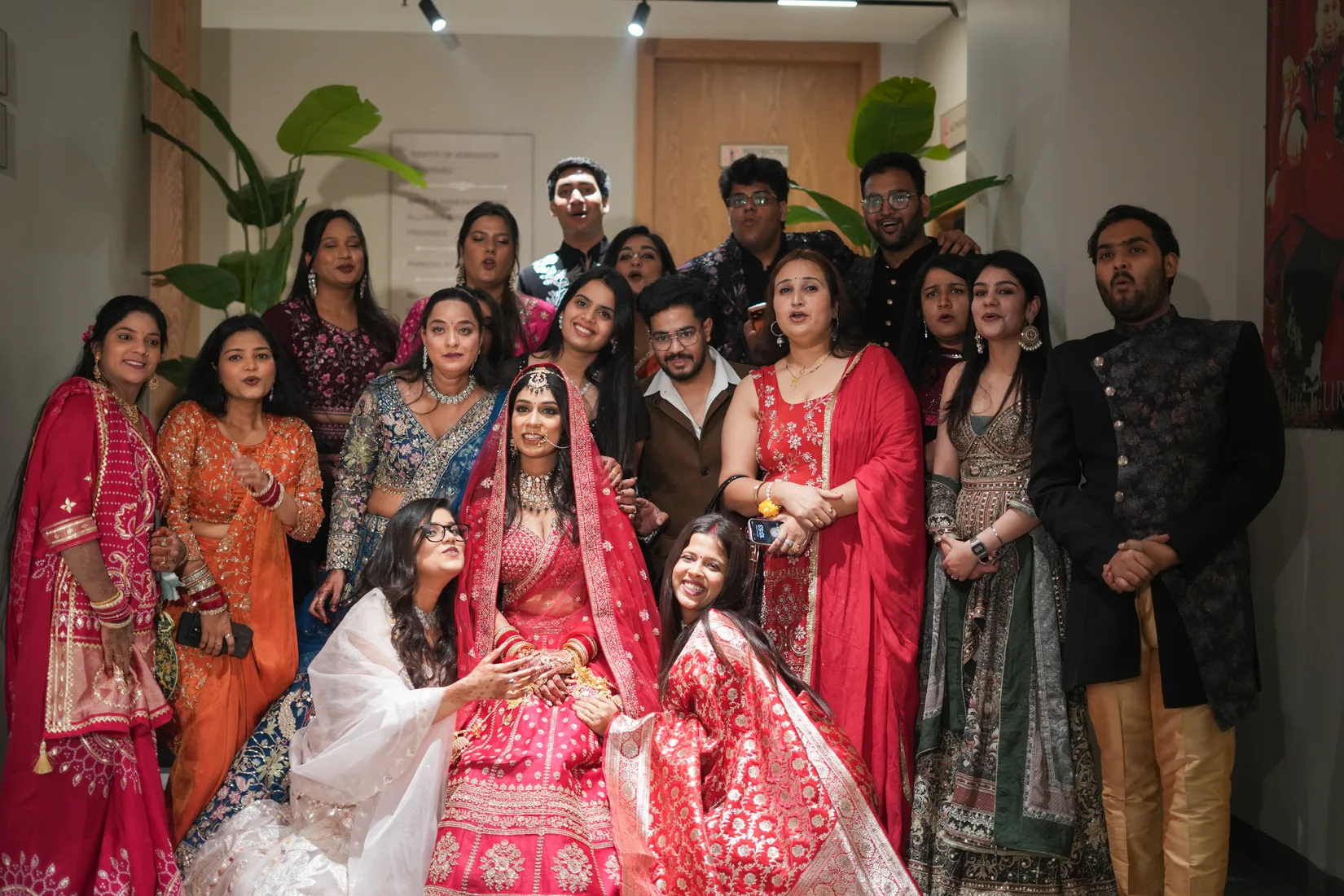
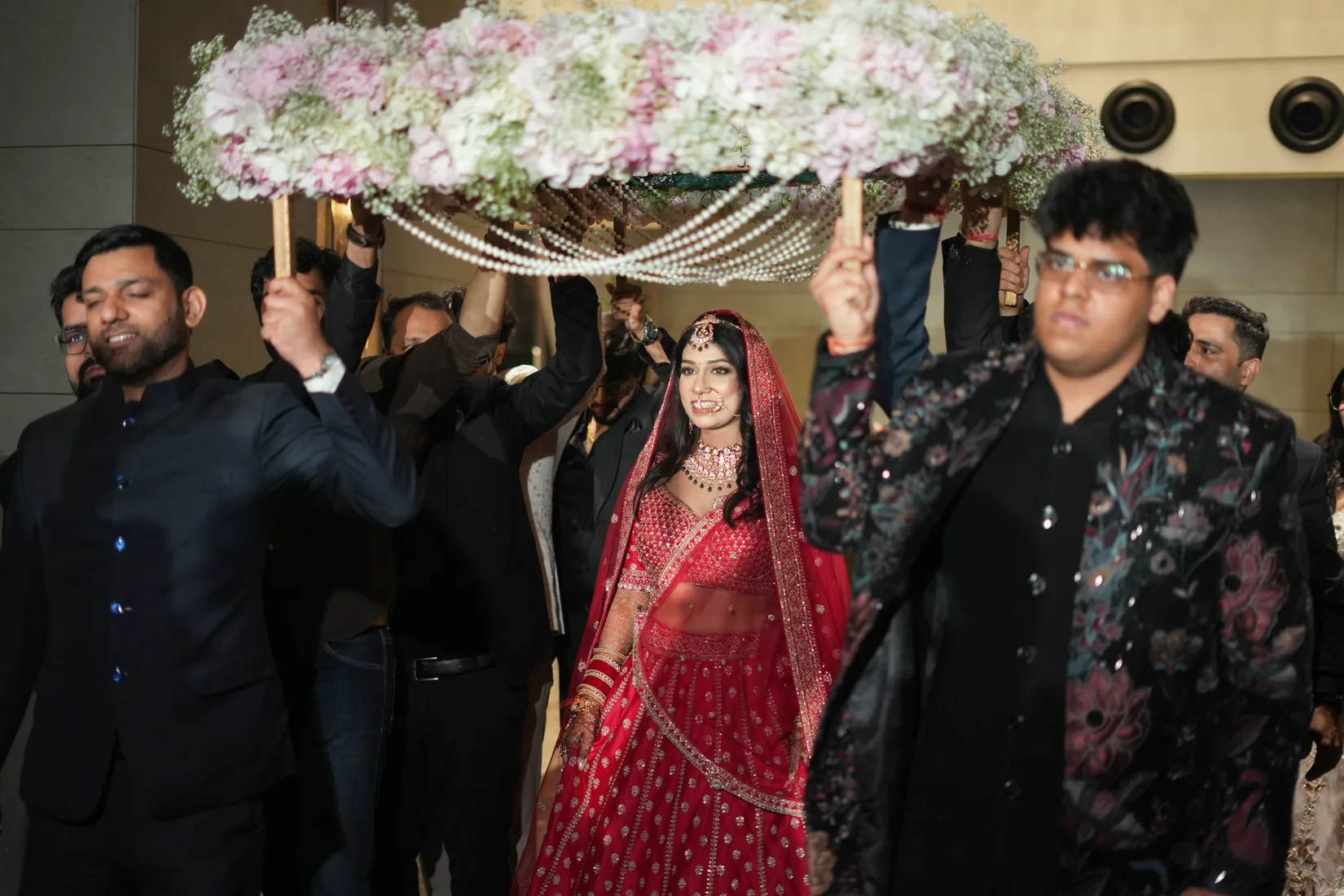
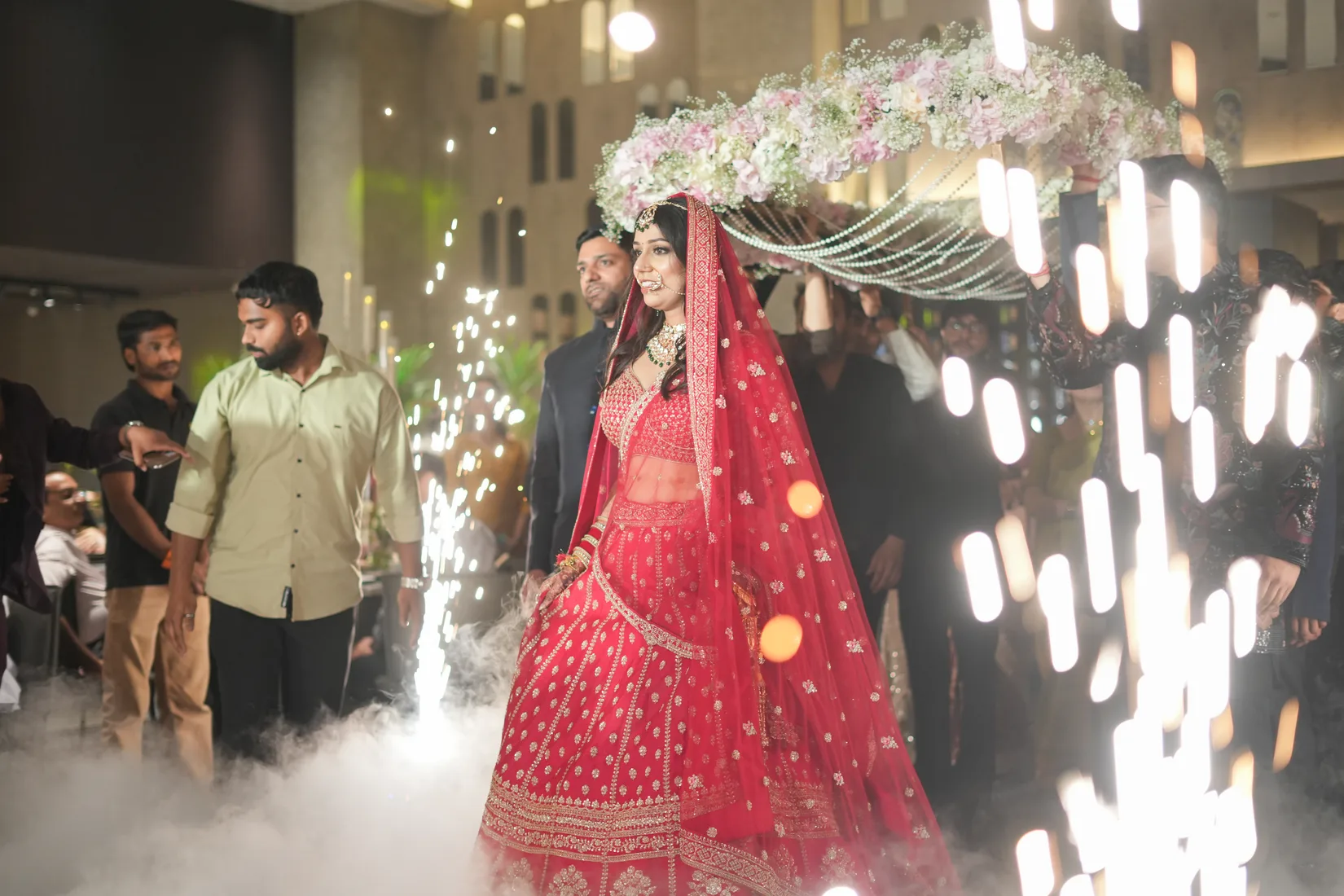
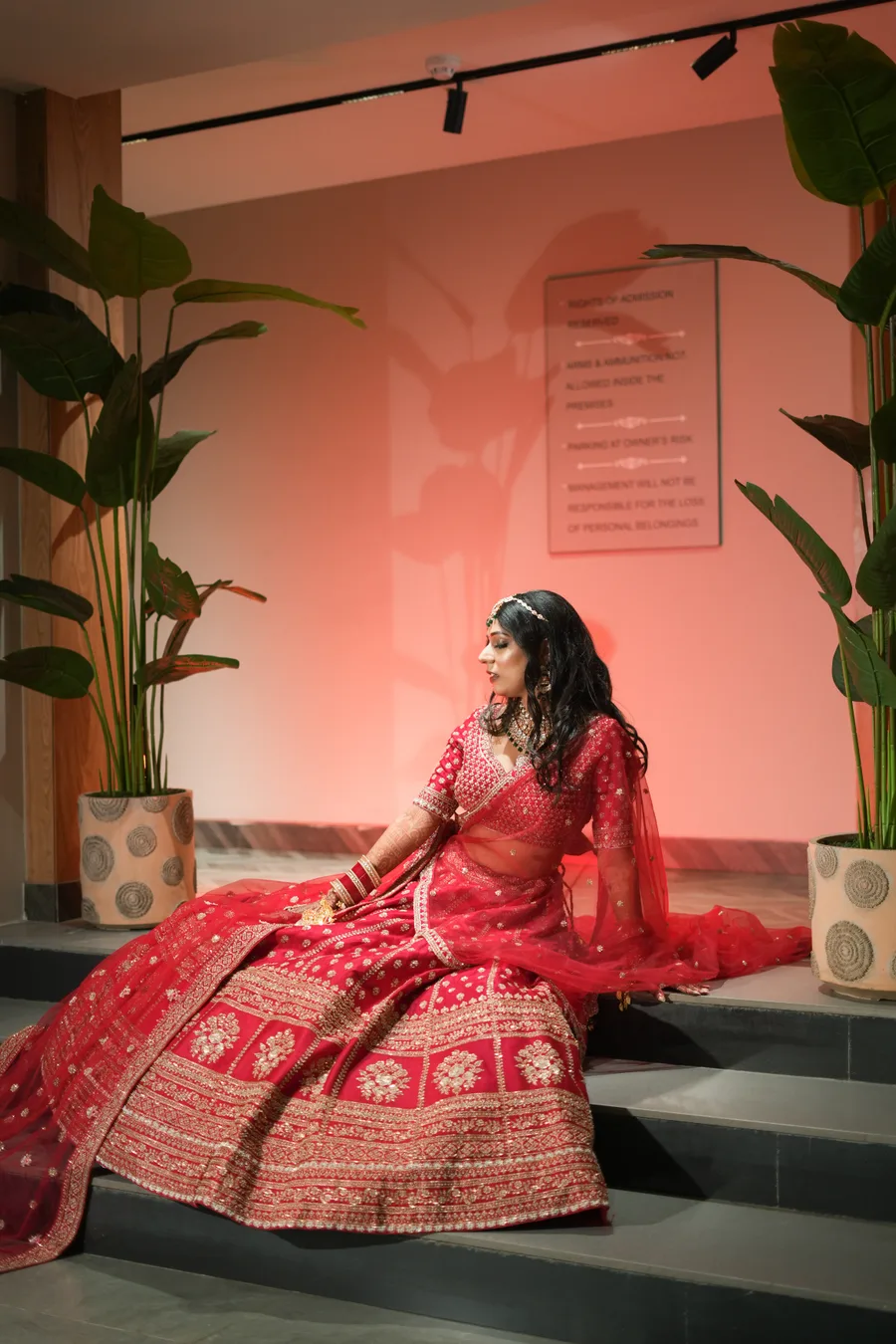
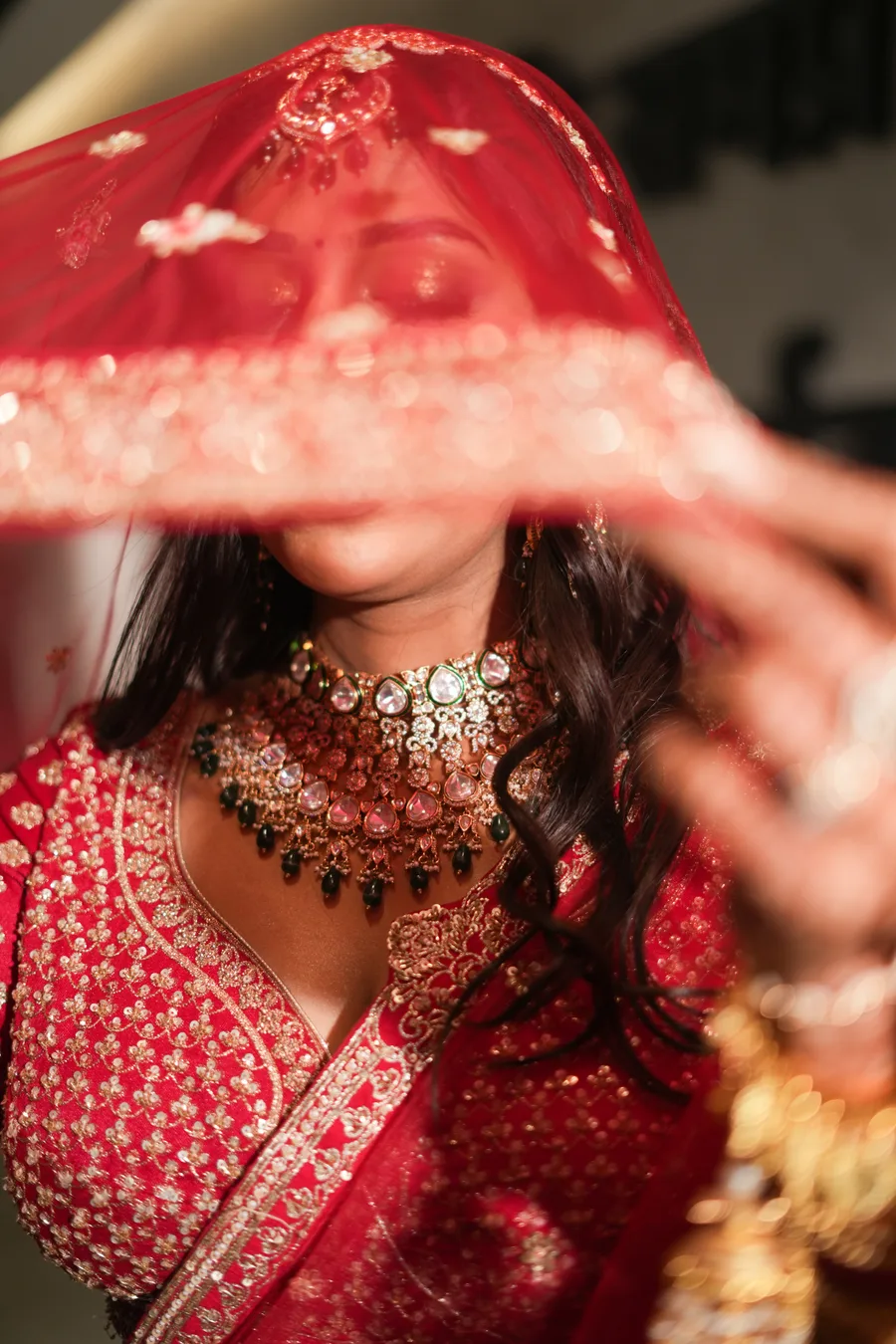
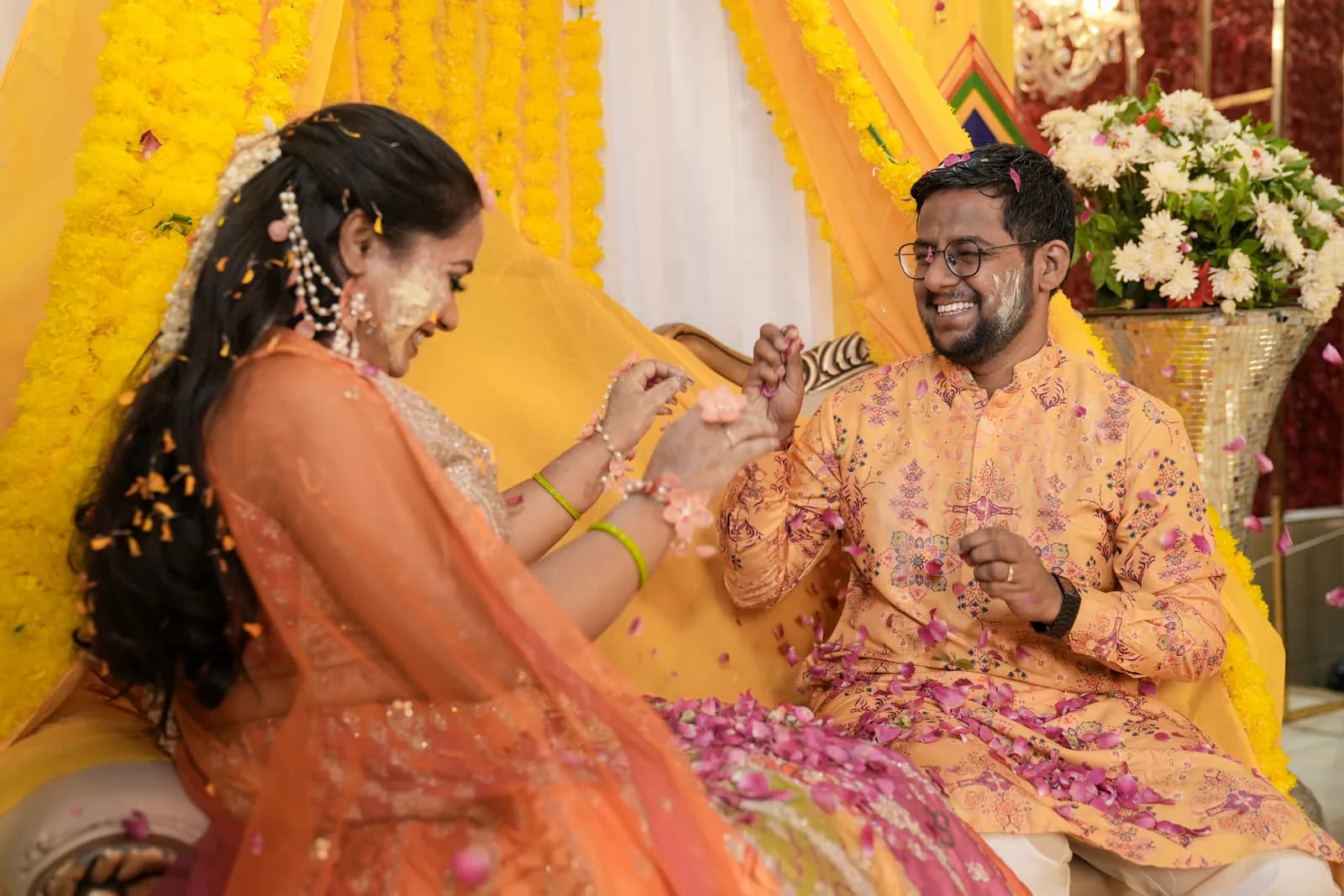
Camera shyness before weddings is common, but you don't need to grin stiffly on your big day. Simple preparation—from posing practice to understanding your photographer's style—helps you look natural, confident, and genuinely joyful when it matters most.
Understanding Why Getting Comfortable in Front of the Camera Matters
Many people freeze when a camera appears on their wedding day. This discomfort isn't vanity; it's real tension affecting how you move, smile, and appear in photographs that will live on your walls for decades. Getting comfortable in front of the camera before your wedding isn't about becoming a model—it's about reconnecting with your natural self when you're focused on being seen. Wedding photography spans eight to twelve hours with hundreds of moments: some formally posed (couple portraits, family groups) but most candid—you laughing with a friend, your parents' faces as you enter, the genuine exhale when you finally sit down.
The more genuinely comfortable you are, the more your photographer can stay present and catch unguarded instants that reveal who you actually are. Tension reads unmistakably in photographs; ease and genuine emotion are unmistakable too. The work you do before your wedding directly translates into how you'll look when it matters most.
Practice Posing and Study Your Photographer's Approach
Start simple: stand together in natural light (your bedroom window or garden) and ask a trusted friend to photograph you casually. You're building muscle memory for how your body feels posed versus loose. Notice which angles feel authentic, where your shoulders naturally sit, and whether you're more comfortable straight-on, angled, or profile. After two or three sessions, you'll stop wondering 'where do I put my hands?' and simply know what feels right. Before your wedding day, spend time looking through your photographer's portfolio with specific intention. Notice the poses they favour, how they position couples, whether they capture mid-laugh moments or posed smiles.
Schedule a pre-wedding consultation to discuss your comfort level explicitly. Tell your photographer if you prefer direction ('turn your chin slightly left') or if you freeze when over-guided. Share poses you've loved and disliked. Photographers who shoot Indian weddings regularly understand that comfort varies—some couples thrive with gentle guidance, others prefer the photographer to work quietly around them. This conversation removes guesswork on your wedding day.
Do a Test Shoot Before Your Wedding Day
Many studios offer engagement or pre-wedding shoots specifically to build comfort. These sessions serve double purpose: you get beautiful images for invitations or social media, and you get one to two hours of genuine practice with your photographer in a pressure-free setting. Pay attention to what your photographer says, how they position you, and how you feel. During a test shoot, experiment: try poses that feel weird initially, see how you look genuinely laughing versus 'smiling for camera', notice which moments feel most like you.
Ask your photographer for feedback about what worked. These discoveries prepare you for your wedding day when there's no time for learning; you'll already know your most photogenic angles and genuine expressions. A test shoot also lets your photographer understand your body language, what makes you smile naturally, and how to guide you toward looking your best without self-consciousness.
Understand Posed Moments and Candid Storytelling
Wedding photography is roughly thirty percent posed formal moments and seventy percent candid storytelling. Comfort means different things for these modes. Posed portraits require you to hold position and expression while your photographer composes the frame. Candid moments require you to ignore the camera and engage authentically with people around you—your partner, friends, family. In posed moments, camera awareness is natural; in candid moments, the best shots happen when you genuinely forget the photographer is there.
This distinction matters. If you're anxious about being photographed, it's often anxiety about formal posing specifically. Indian weddings offer plenty of both—formal family portraits and relaxed mehendi celebrations. Understanding which mode you're in helps you shift your mindset appropriately. During formal sessions, follow your photographer's gentle guidance. During celebrations, engage with the people you love.
Breathe, Move, and Remember Your Photographer Is Your Team
Physical tension kills the best photographs. If you're standing rigidly or holding your breath, it shows. Practice breathing slowly during test shoots and throughout your wedding day. A genuine exhale softens your face more than any instruction to 'relax' ever will. Movement also helps: small steps, weight shifts, genuine gestures toward your partner break tension and create natural expressions. Your photographer will encourage you to smile with your eyes or think of something happy rather than saying 'cheese'.—a genuine smile creates subtle eye crinkles reading as real joy.
The single most important mindset shift is believing your photographer is on your team. They aren't judging you; they're actively working to capture you at your best in moments of genuine emotion and connection. On your wedding day, your photographer will guide gently, take multiple shots for options, and know how to position you advantageously. Trust that guidance. What feels awkward often looks beautiful in the photograph. If you've practised with your partner, seen your photographer's work, and done a test shoot, you're ready. You'll look like yourself, just more present and joyful. If you're planning to work with a photographer who specialises in Indian weddings and want guidance building confidence, we're always happy to discuss your concerns and share what we've learned from hundreds of couples.