Prepare systematically for your wedding shoot with this week-by-week roadmap. Manage wardrobe, confirm details, and arrive calm and confident on the day.
Four Weeks Before: Planning and Confirmation
Four weeks out is when detailed preparation begins. Confirm your photographer hasn't been affected by unexpected changes—venue, date, or weather contingencies don't change booking arrangements, but life does happen. Reach out with your final wedding itinerary: exact timings for each event (mehndi starts at 6 PM, ceremony at 5 PM the next day, reception at 7 PM), venue addresses, and parking details. Provide your photographer with a family tree or family list if relevant; they'll use this to understand who's who during family photos and can mentally prepare to identify people quickly.
Four weeks is also the moment to finalise your wedding outfit. If you're ordering a lehenga, suit, or dress, ensure alterations are complete and you've tried everything on. Nothing derails confidence like discovering your outfit doesn't fit perfectly or has an unexpected issue days before your wedding. If hiring jewellery, book now; popular pieces get reserved during peak seasons. Confirm hair and makeup appointments; many professional artists book fully 4-6 weeks ahead. Having these details locked in allows mental space for the week ahead without scrambling for vendors.
Two Weeks Out: Logistics and Final Details
With two weeks remaining, send your photographer a detailed run-of-show document. This should outline every event from when the photographer arrives through departure, including timing for each significant moment. Specify who the photographer should greet upon arrival and who will show them around venues. Clarify whether they need access to changing rooms, whether there are restricted areas, and if they require special shoes for certain spaces (many temples and some South Indian ceremonies require barefoot photography). Provide your photographer's contact number to your wedding planner or family coordinator; they should be able to reach them quickly if timing changes.
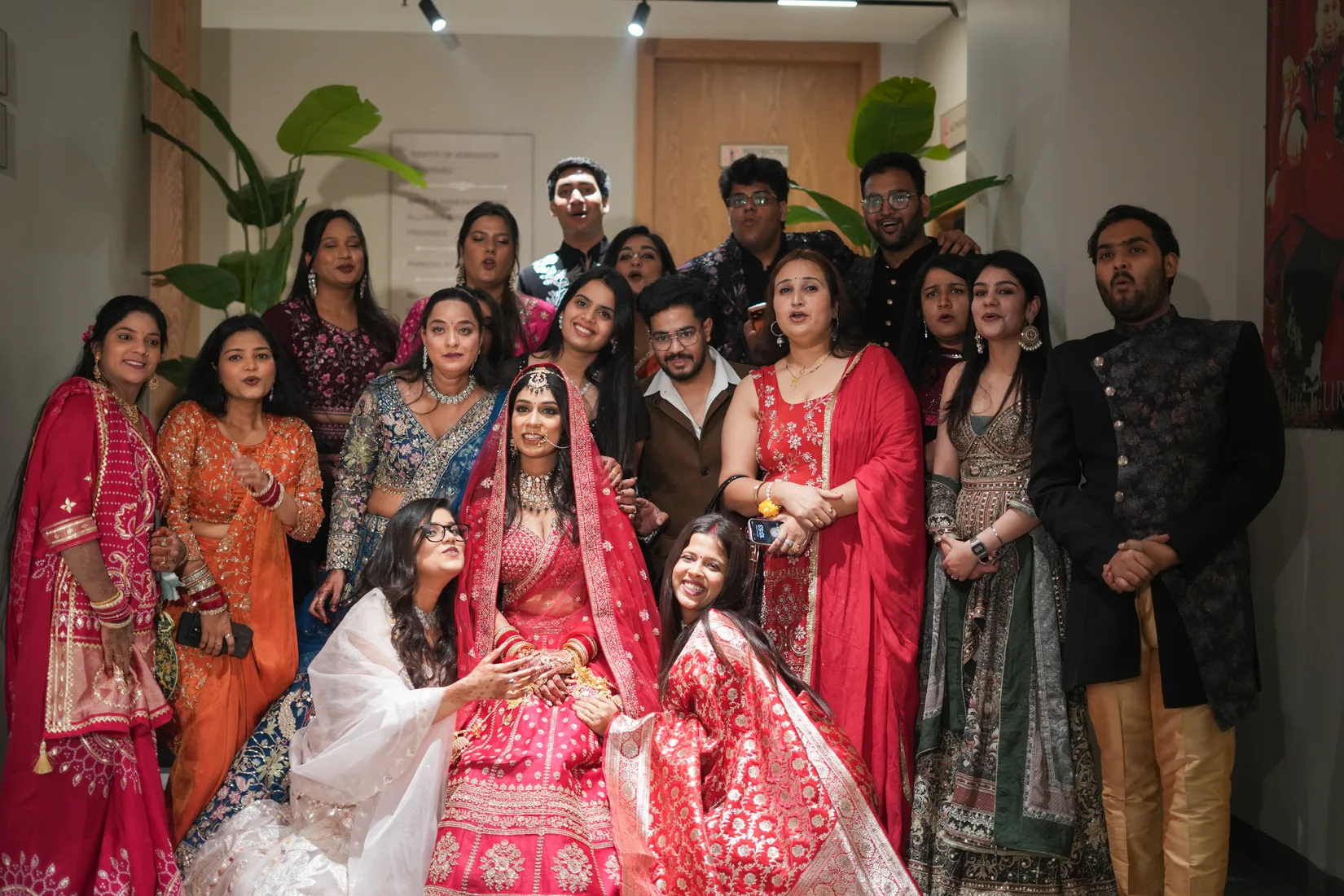
Two weeks is when you should also plan logistics for family photography. If you want organised family group photos, create your shot list now: immediate family, extended family, subsets by relationship (all cousins, all aunts/uncles, etc.). Prioritise which combinations matter most; you can't photograph 50 different permutations in 30 minutes. Share this list with your photographer and your family coordinator. If your photographer is organising the shoot, they'll ensure the right people appear in the right order. Communicate with family beforehand that organised photo time will happen and they should anticipate 20-30 minutes for this. Family members who expect candid-only photography sometimes resist posed moments, so advance notice helps.
One Week Countdown: Last-Minute Preparations
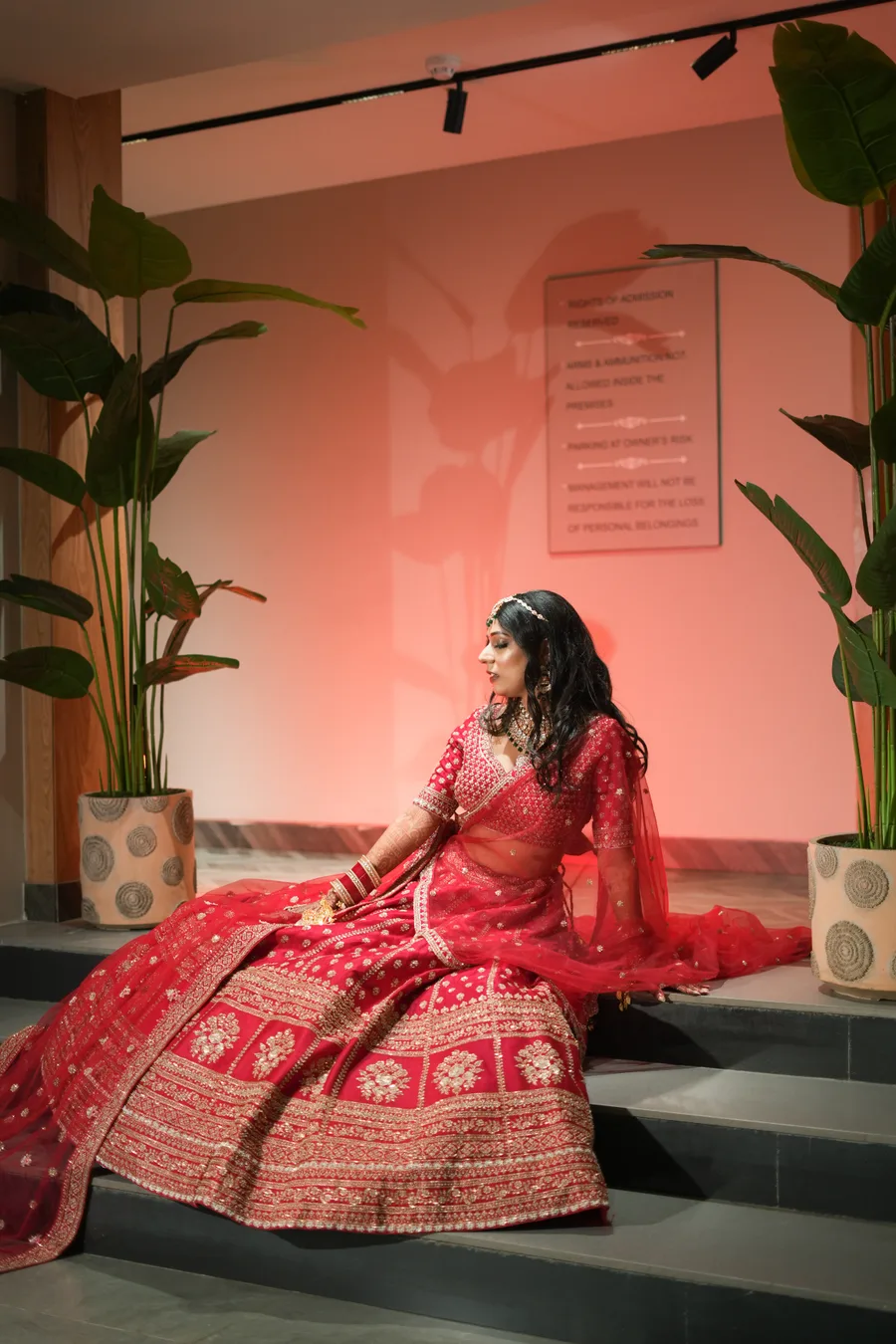
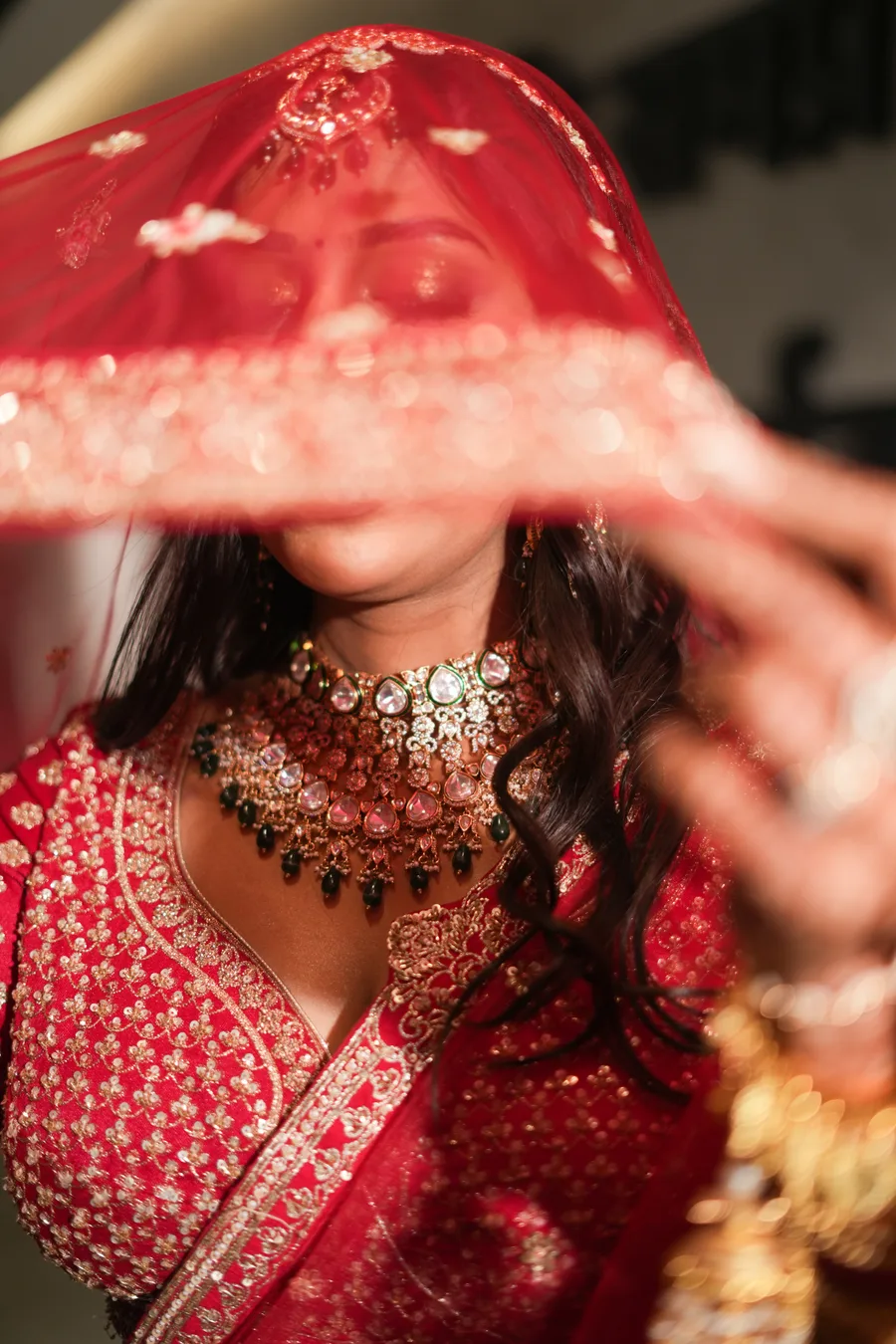
One week before, focus on personal preparation rather than logistics. Ensure your wedding outfit is clean, pressed, and ready. Try it on one final time in the outfit you'll wear with it—shoes, jewellery, undergarments. Moving in your wedding outfit should feel natural; you shouldn't discover on the day that the lehenga feels restricting or the dupatta is tangled. Check that all jewellery is clean and polished; tarnished pieces will show in close-up photos. If you're wearing a bindi, mehendi, or other decorative elements, practice applying them so you feel confident. Some brides have their mehndi applied a few days before; if so, schedule this with enough lead time.
One week out, also mentally prepare for your wedding day's schedule. Review the day's timeline until it feels familiar. Know when you should be getting ready, when your photographer arrives, and what transitions are coming. Familiarising yourself with the schedule reduces day-of anxiety and allows you to be present rather than stressed. Some couples also create a small 'emergency kit' this week: safety pins, stain remover stick, phone charger, comfortable shoes for travel between venues, and any medications you might need. Keep this kit with someone responsible (your mother, wedding planner, or maid of honour) so you're not managing it while getting ready.
48 Hours Before: Final Checks and Rest
The final 48 hours are about confirmation and rest, not panic. Confirm your photographer has the correct venue addresses, parking information, and arrival time. Verify they have your phone number and you have theirs. If you've planned to do a shot list or special directions, you should have already communicated this; use these final days only to confirm, not introduce new requests. Check weather forecasts one more time. If rain is predicted, confirm with your photographer that backup plans are in place. This isn't the moment to start worrying; you should already know your contingency.
Most importantly, prioritise rest. Your sleep quality in the 48 hours before your wedding affects how you look and feel in photos more than any other factor. Tired skin is dull; fatigue shows in facial expressions and body language. Resist the urge to stay up late panicking or doing last-minute tasks. Eat well, drink water, go for a walk to release nervous energy, and aim for 7-8 hours of sleep both nights. Do something calming that brings you joy—spend time with your partner, call close friends, listen to music you love. Your photographer will capture whatever emotional state you're in; relaxed and joyful shows radically differently than anxious and rushed.
The Night Before and Wedding Morning
The night before, avoid heavy meals, excessive caffeine, or alcohol; your sleep quality and morning appearance matter. Pack anything you might need: phone chargers, snacks, water, any emergency items. If your photographer has requested a particular meet-up time or location, have this written down and share it with whoever is coordinating your morning. Go to bed at a reasonable time and avoid endless social media scrolling—it'll only amp up anxiety. Some couples find reading, meditation, or gentle yoga helpful for calming pre-wedding jitters. Trust that your photographer knows what they're doing; they've photographed dozens of weddings and are prepared for whatever the day brings.
On your wedding morning, stick to your normal routine as much as possible. Eat breakfast—something light but sustaining. Shower and skincare should be your usual practices, not experimental. If you're having your hair and makeup done, schedule this with enough time that you're never rushed. Rushing shows in your appearance and stress level. Wear comfortable clothes while getting ready; you'll change into your wedding outfit just before your photographer needs photos. Have someone responsible manage your phone, water bottle, and emergency kit. When your photographer arrives, greet them warmly and walk through the morning's planned shots together. Your calm, prepared energy sets the tone for the entire day's photography.
Arriving Ready and Present
The most important preparation isn't logistical; it's emotional. Your photographer can handle technical challenges, coordinate timing, and navigate complexities. What they can't do is manufacture genuine emotion or authentic joy. If you arrive at your wedding mentally exhausted, stressed about details, or focused on what might go wrong, those feelings will show in every photograph. If you arrive calm, present, and connected to why you're celebrating—the joy of marrying your partner—that shines through unmistakably. This is why preparation matters: when logistics are confirmed and details are handled, your mind is free to simply be present.
Trust your preparation. You've chosen a photographer you like, confirmed all logistics, and readied your appearance. On your wedding day, let go of control and simply enjoy the moments as they unfold. The ceremony will happen, the celebration will flow, and your photographer will capture the authentic joy and emotion of the day. Your role isn't to manage the photography; it's to be present with your partner and your loved ones. When the photographer asks you to turn toward the light or holds your hands a certain way for a portrait, move with them easily. When candid moments happen—laughter, tears, an embrace—let them happen fully. The most beautiful wedding photographs emerge when couples forget they're being photographed and simply live their celebration fully.