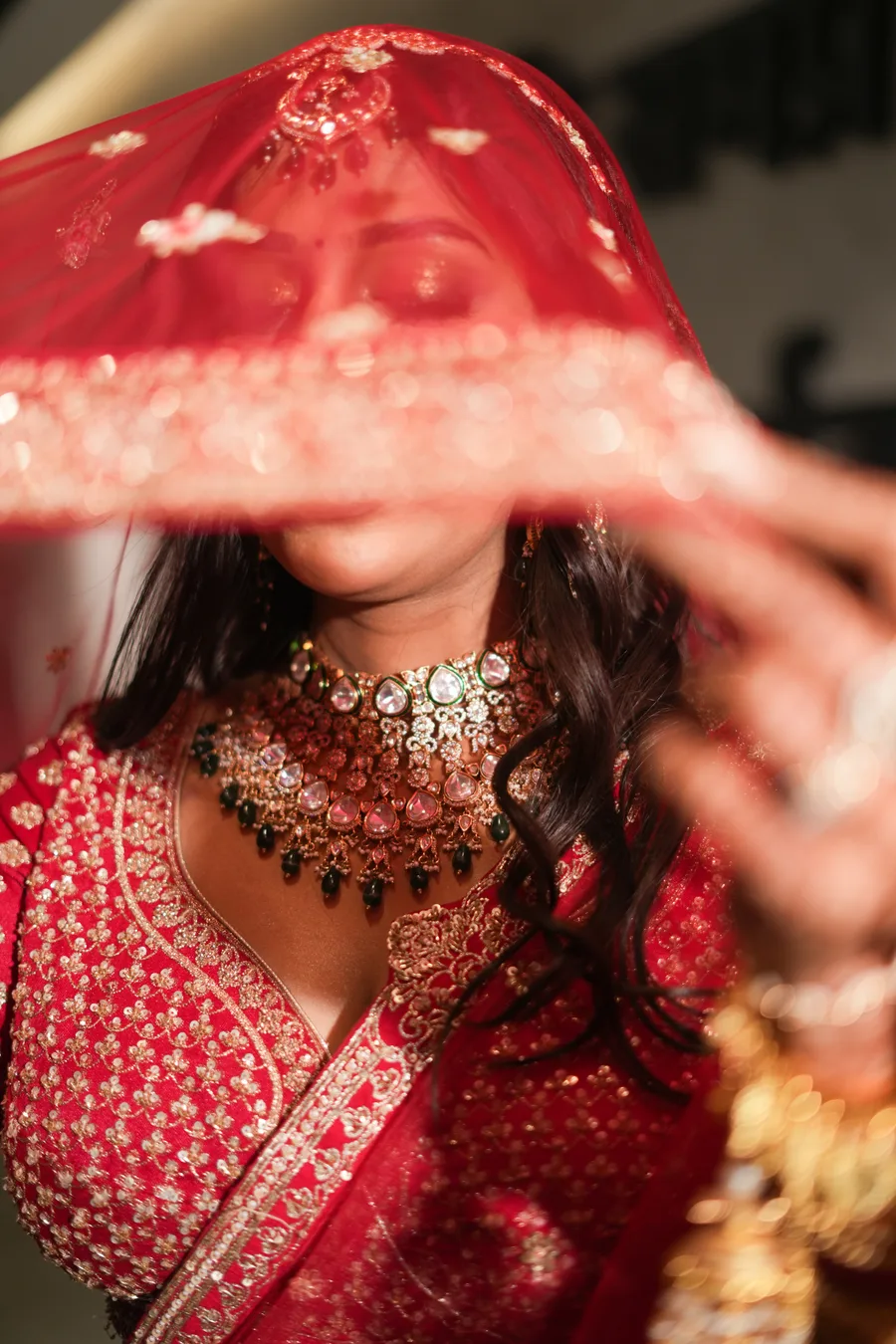
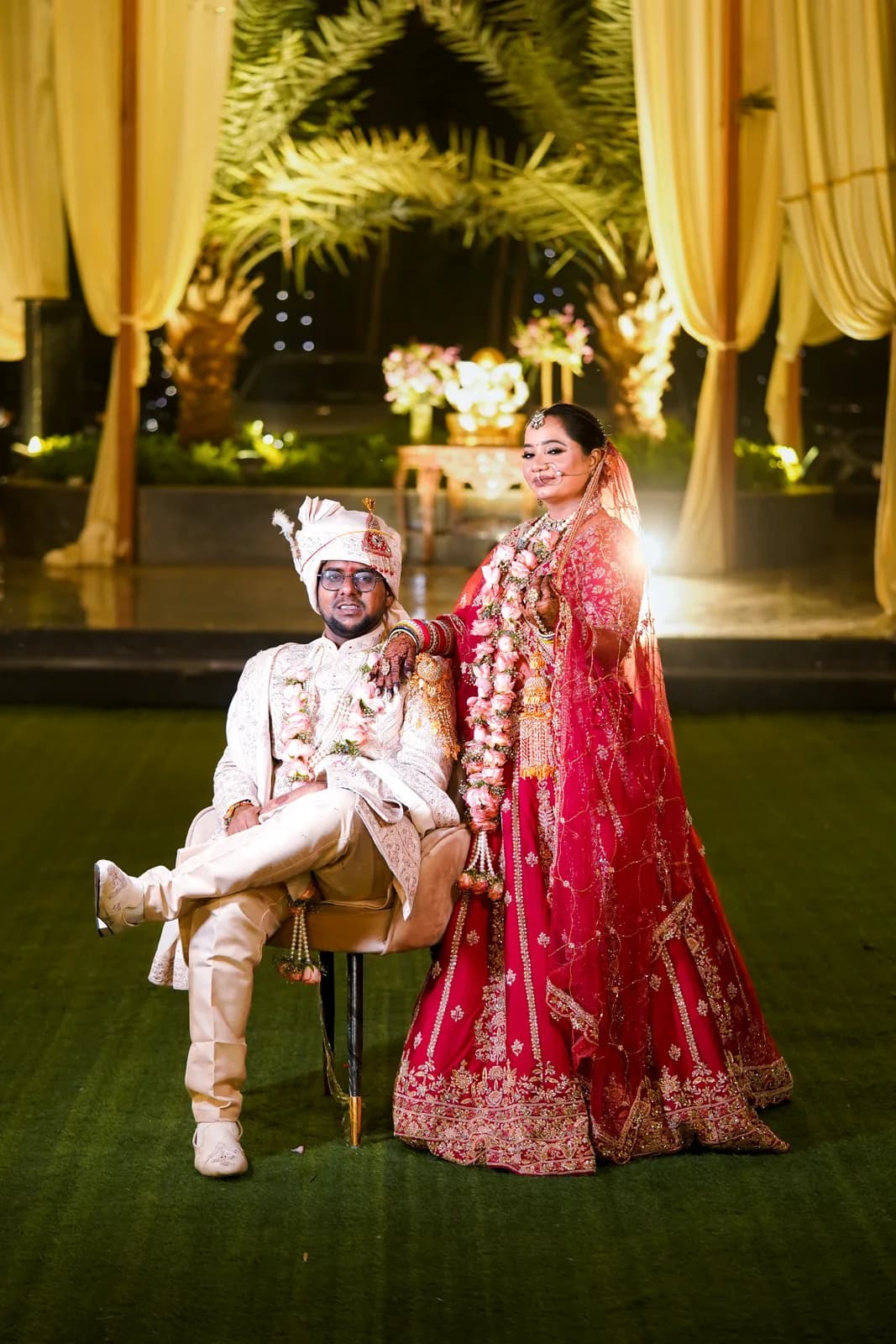
Clear communication, realistic expectations, and trust transform your relationship with your photographer into a genuine partnership that creates better photographs and a more relaxed celebration.
Establishing Clear Expectations Before the Wedding Day
The foundation for working well with your wedding photographer is built long before the wedding day itself. During your pre-wedding consultation, you should discuss specific expectations: which moments are non-negotiable (your first kiss, the ceremony, specific family portraits), which are nice-to-have (particular details, guest candids), what style of photography appeals to you (posed and formal, documentary and candid, or a blend), and any concerns or requests you have. Some couples worry about certain rituals being captured; others want specific locations used for couple photos. Some families have strong preferences about who gets photographed and how. These conversations, documented and confirmed in writing, prevent disappointment and miscommunication later.
Be specific when possible. Rather than "lots of candid photos," say "I want candid coverage of my family members interacting, but I'd prefer not to be photographed whilst eating or using the bathroom." Rather than "capture the mehendi," discuss which mehendi moments matter most (henna application, dancing, family interactions). Ask your photographer how they work: how much direction do they need, how do they handle posed versus candid, what's their approach to family portraits, how many outfit changes are feasible in the time available. A photographer who knows you value candid emotional moments over posed perfection will work very differently than one who understands you want documentary-style coverage.
Communication and Flexibility on the Wedding Day
Once the wedding begins, your photographer needs clarity about timing and priorities, but not constant direction about every shot. Assign someone—ideally a family member or wedding coordinator—to be the primary liaison with your photographer. This person should relay timing information ("the ceremony will start in 10 minutes," "we're ready for family photos now"), communicate any last-minute changes, and flag moments you want specifically captured ("Aunty just arrived from overseas, can you capture her with the bride?"). Your photographer shouldn't have to hunt down family members or guess when moments are happening; clear communication keeps everyone on the same page and ensures critical moments aren't missed.
Wedding days rarely go exactly as planned. A ceremony starts late; a key family member is missing for a portrait; someone gets emotional during an unexpected moment; the lighting shifts dramatically. Your photographer is managing multiple competing priorities simultaneously: capturing ceremonies that must be documented in real-time, positioning families for portraits during small available windows, documenting the flow of celebration, and adapting to whatever conditions and circumstances actually unfold. Sometimes these priorities conflict. Flexibility from the couple and family makes an enormous difference. If you're willing to gather for family portraits even 15 minutes late, or to reconvene for quick updates if key people arrive mid-celebration, or to understand that some moments can't be perfectly controlled, you allow your photographer to work more effectively.
Being Present Versus Posing: Balancing Authenticity With Documentation
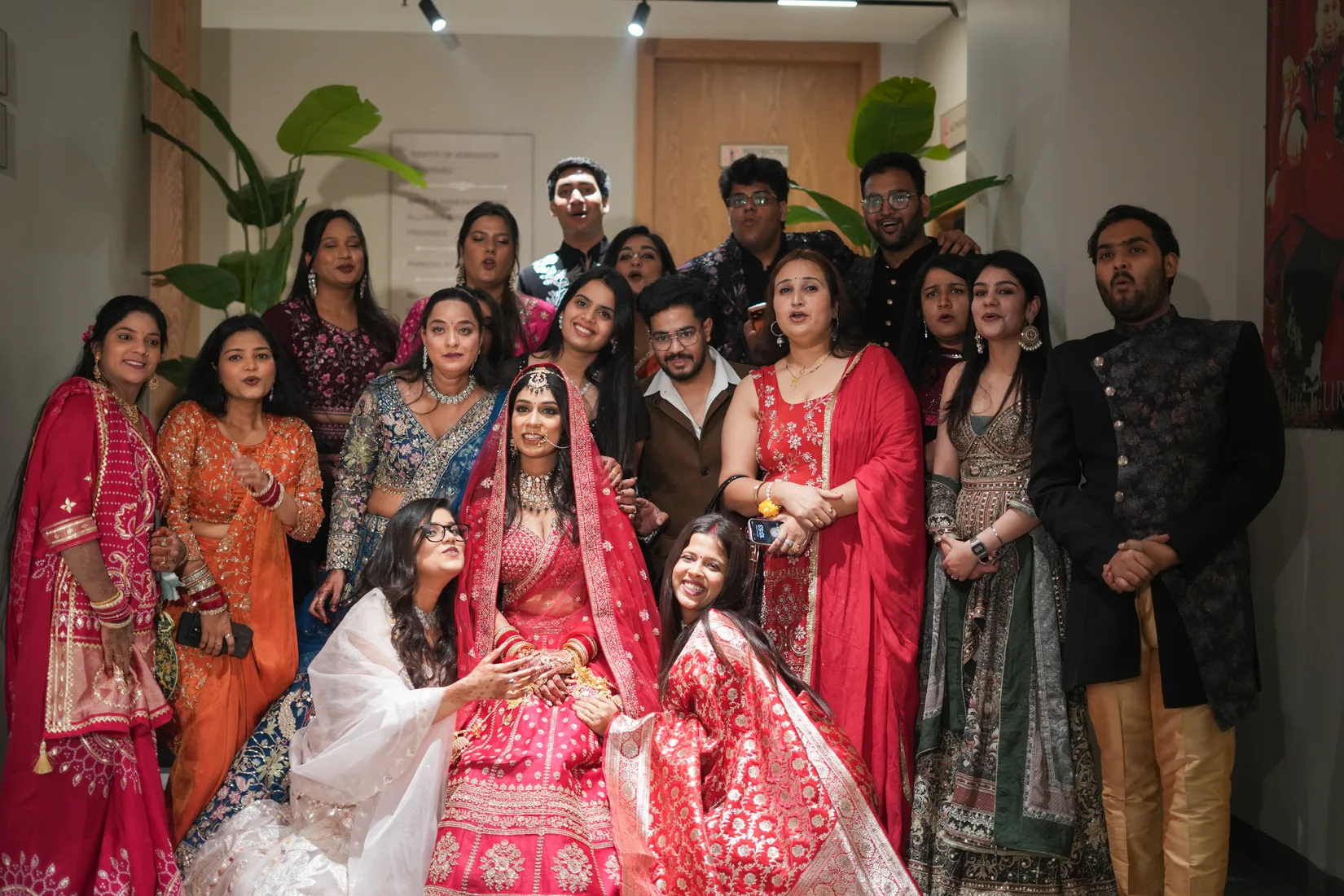
There's a tension inherent in wedding photography: couples want natural, candid photographs, but natural moments don't always happen on schedule. Family members aren't always positioned conveniently; important guests aren't always together; and the couple's genuine first dance moment might happen during a song you didn't plan, or the light might be wrong. Photographers bridge this gap by creating structured moments (posing for family photos, doing a formal first dance for the camera) and then capturing the authentic moments (reactions, genuine emotion, organic interaction).
Your role is to understand this balance. During scheduled photo times (family portraits, couple shoots), commit fully to the process—gather everyone needed, position yourselves as directed, and stay present for multiple frames so your photographer has good options. During the celebration itself, focus on actually living the moment rather than watching for the camera. Dance with real joy, hug guests with genuine affection, eat and celebrate authentically. Your photographer's job is capturing the authentic moments that happen when you're not thinking about photography. The moments when you're too busy laughing at a joke to remember the camera is there, or when you're too moved by a family blessing to think about your expression—those are the ones that matter most.
Logistics, Support, and Trusting the Process
A photographer working an 8-10 hour wedding day is standing for most of that time, concentrating intensely, managing equipment, and adapting to whatever unfolds. They need water constantly, should eat something during the celebration, and benefit enormously from occasional breaks. If you've hired a good photographer, treat them as a valued member of your celebration team rather than invisible background staff. Ensure your photographer has access to water, offer them food (actual meals, not just snacks), and let them know if they should step back for a few minutes to recharge. A photographer who's overheated, hungry, or exhausted produces worse work and feels less invested in your day. This also includes logistics support: communicate clearly about accessibility, let them know if there are areas where photography is limited, introduce them to key people, and treat them as part of your team rather than hired hands.
Perhaps the most important aspect of working well with your photographer is trusting them. You hired them because you liked their work and believed they understood your vision. On the wedding day, release some of that control. Trust that they're positioned well, that they're capturing important moments, that they'll get the shots you discussed during consultation. The couples whose wedding photographs we treasure most are the ones who genuinely lived their day—who danced with joy, hugged people they love, got emotional during their vows, and laughed without thinking about the camera. We capture those moments regardless. Trust that good photography will happen as a result of your presence, and you'll create not just beautiful images but also genuine, joyful memories. If you're approaching your wedding day and want to discuss how we work, what to expect from us, and how we can partner together to create photographs that feel authentic and meaningful, we'd love to talk.