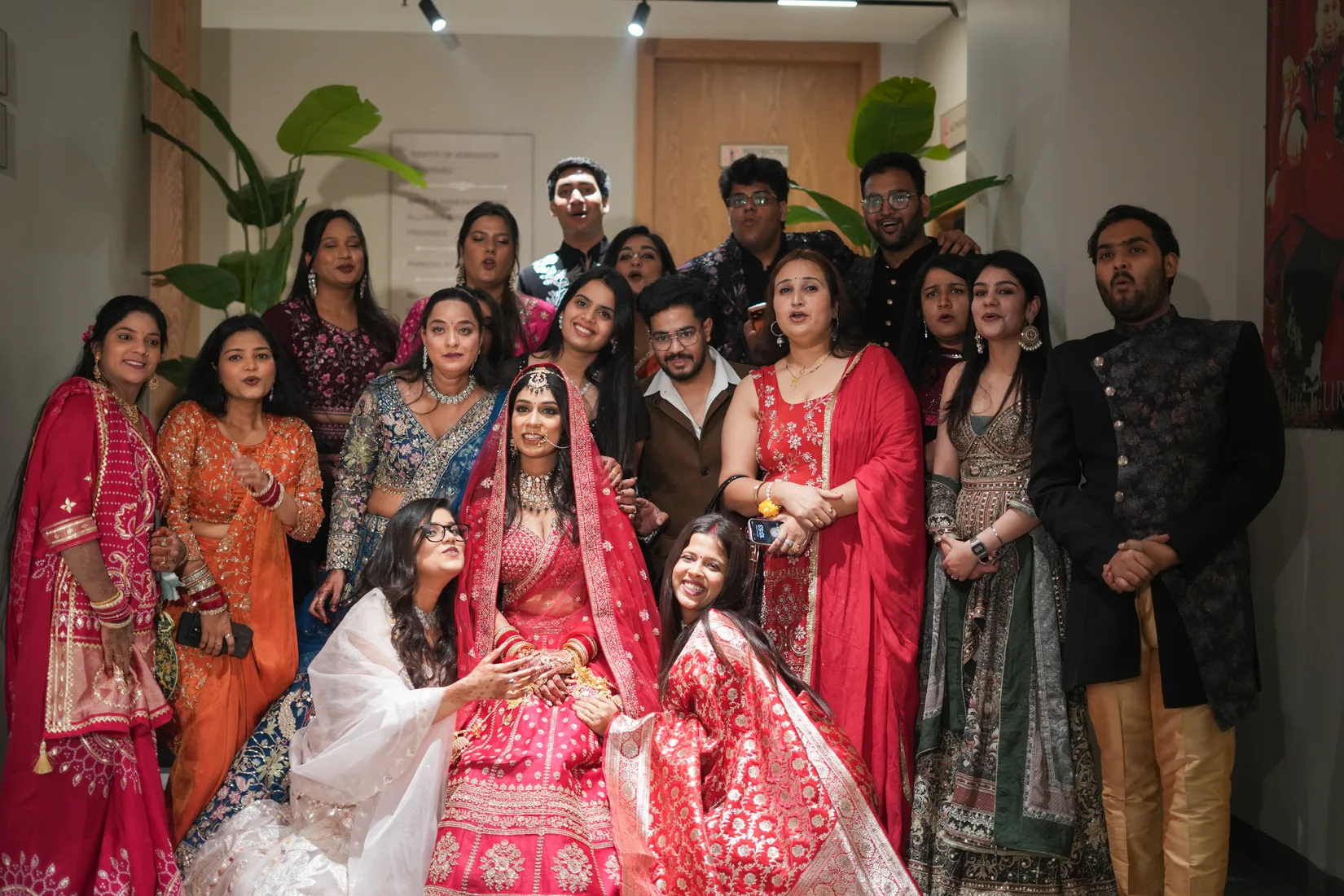
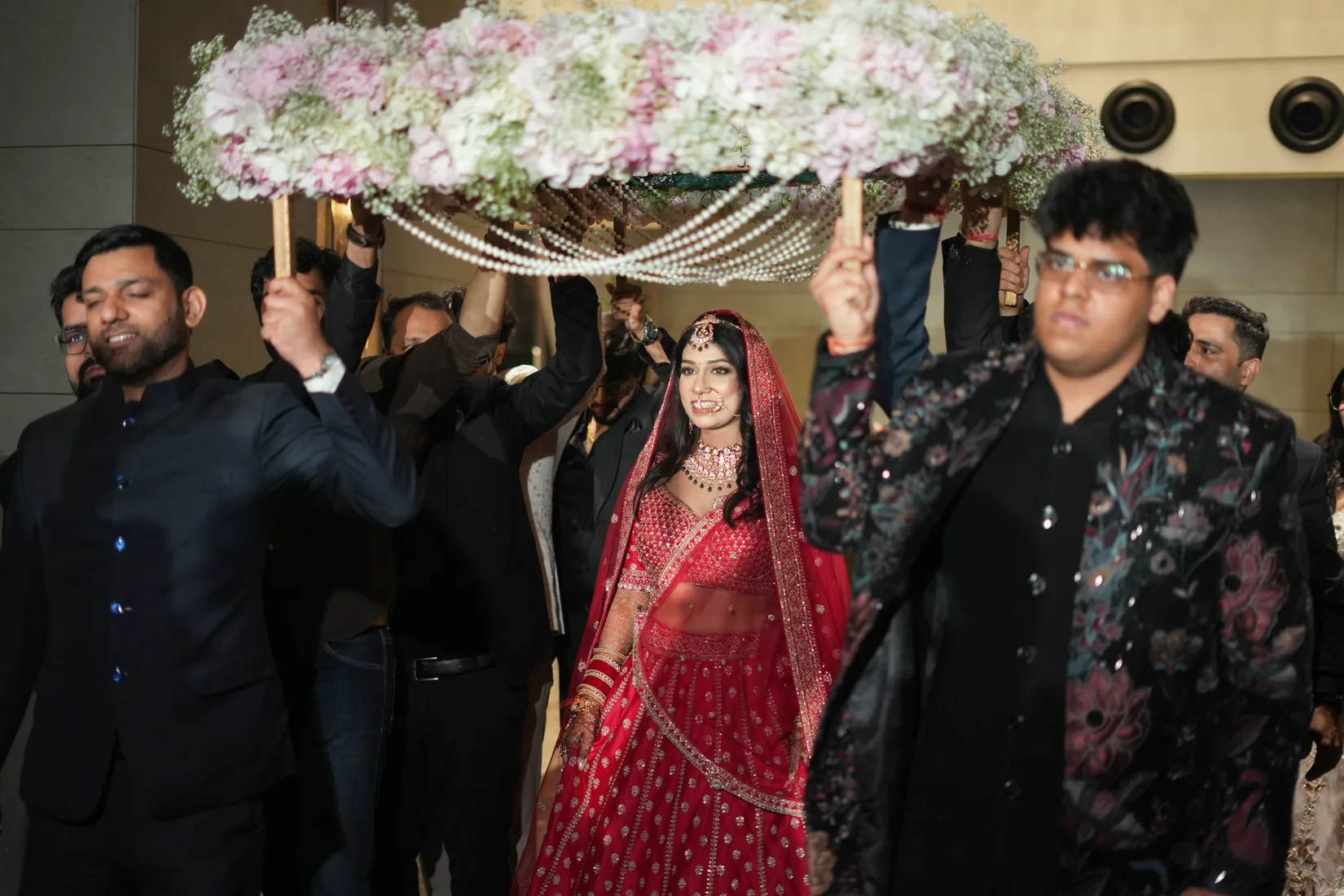
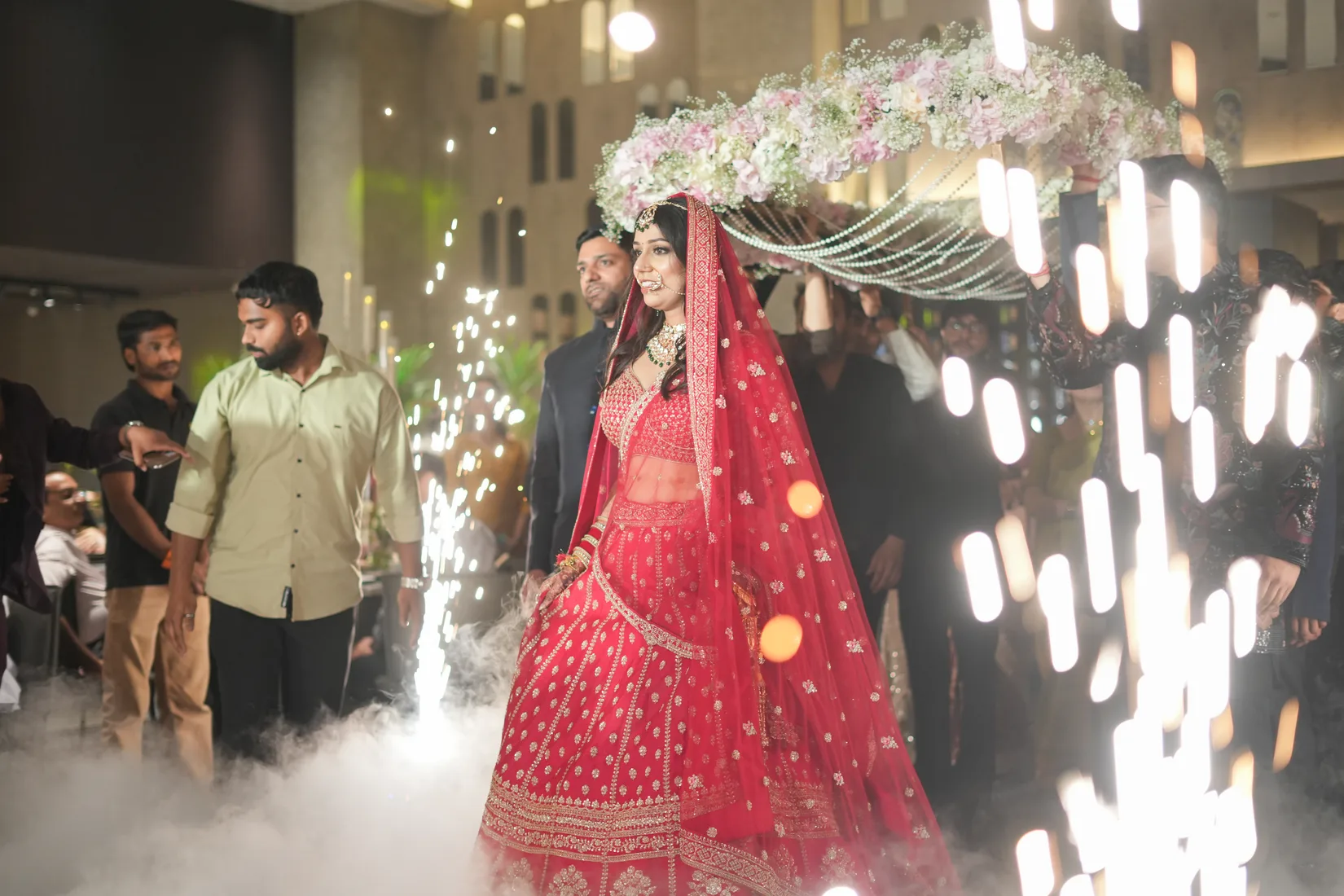
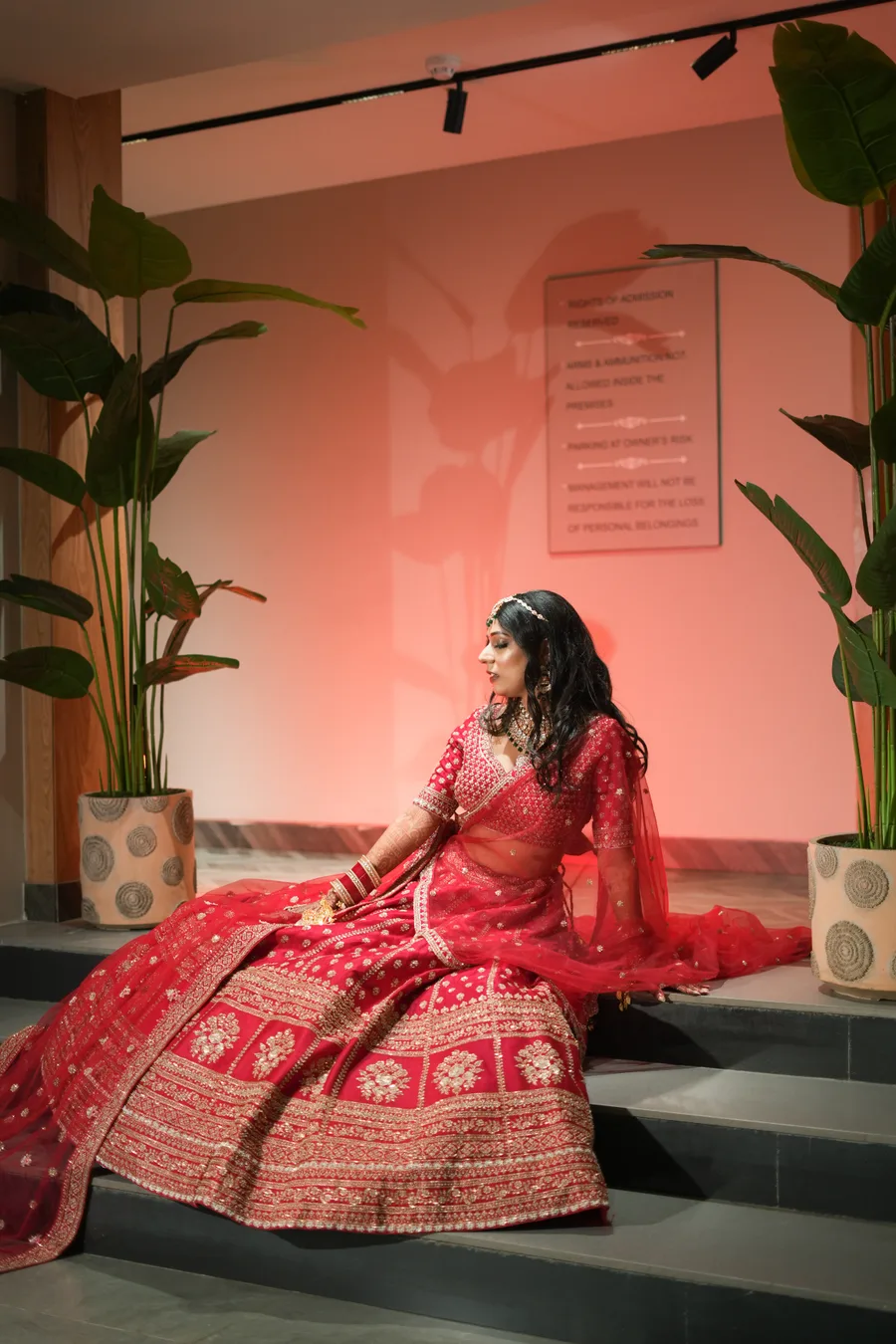
Wedding photographs can feel moody and atmospheric or bright and cheerful, depending on editing style. Learn how each approach affects emotion and which suits your wedding best.
Understanding Moody vs Bright Photography
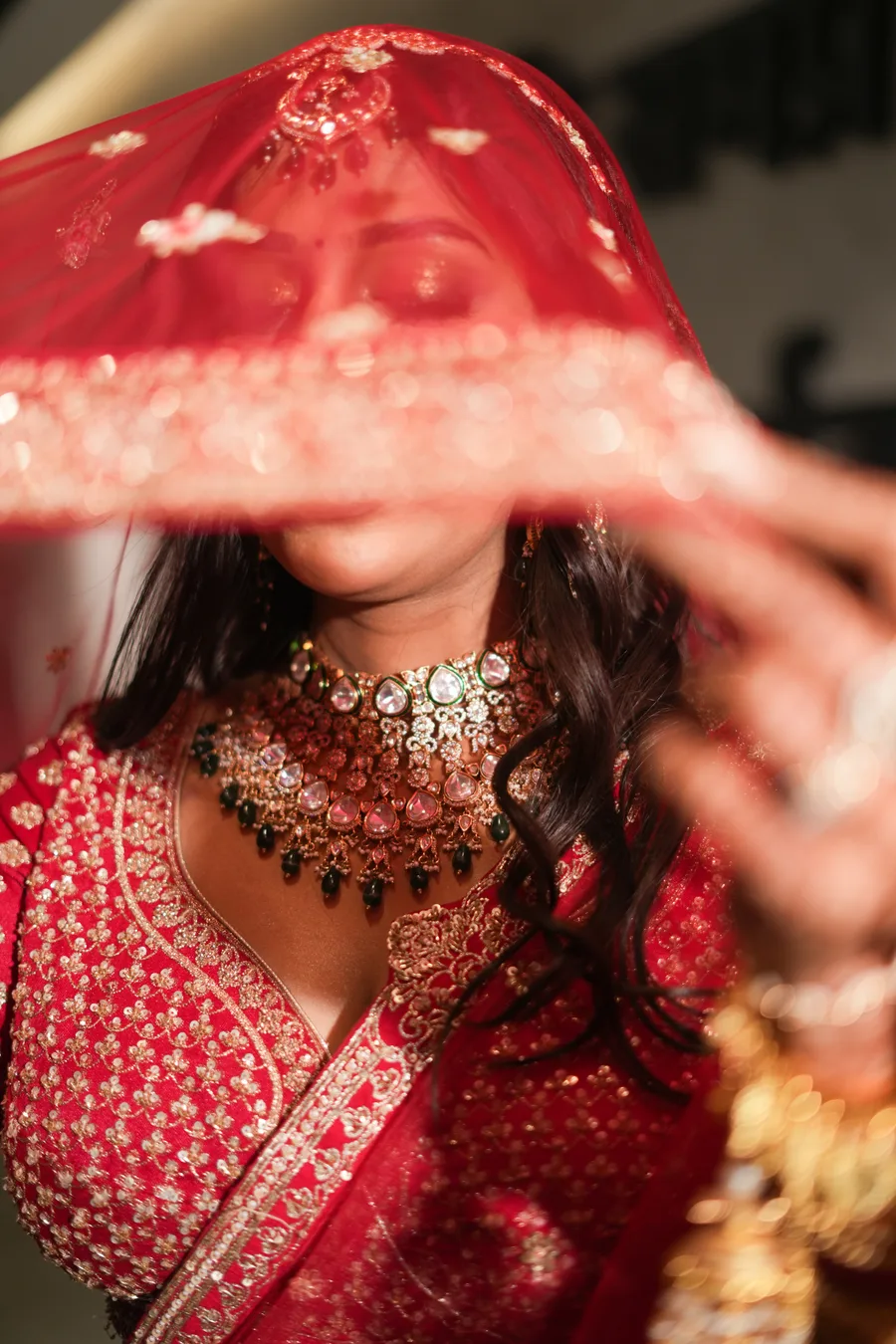
'Moody' and 'bright' refer to the overall tone and energy of your wedding photographs, heavily influenced by editing choices and how your photographer handles light and colour. Moody photography emphasises shadow, depth, and atmospheric quality. Colours might be slightly desaturated or selectively saturated; blacks are rich and deep; highlights glow softly. The overall feeling is intimate, dramatic, sophisticated, sometimes romantic or melancholic. Golden light becomes honeyed and intimate rather than cheerful; even bright sunlight is rendered with warmth and depth.
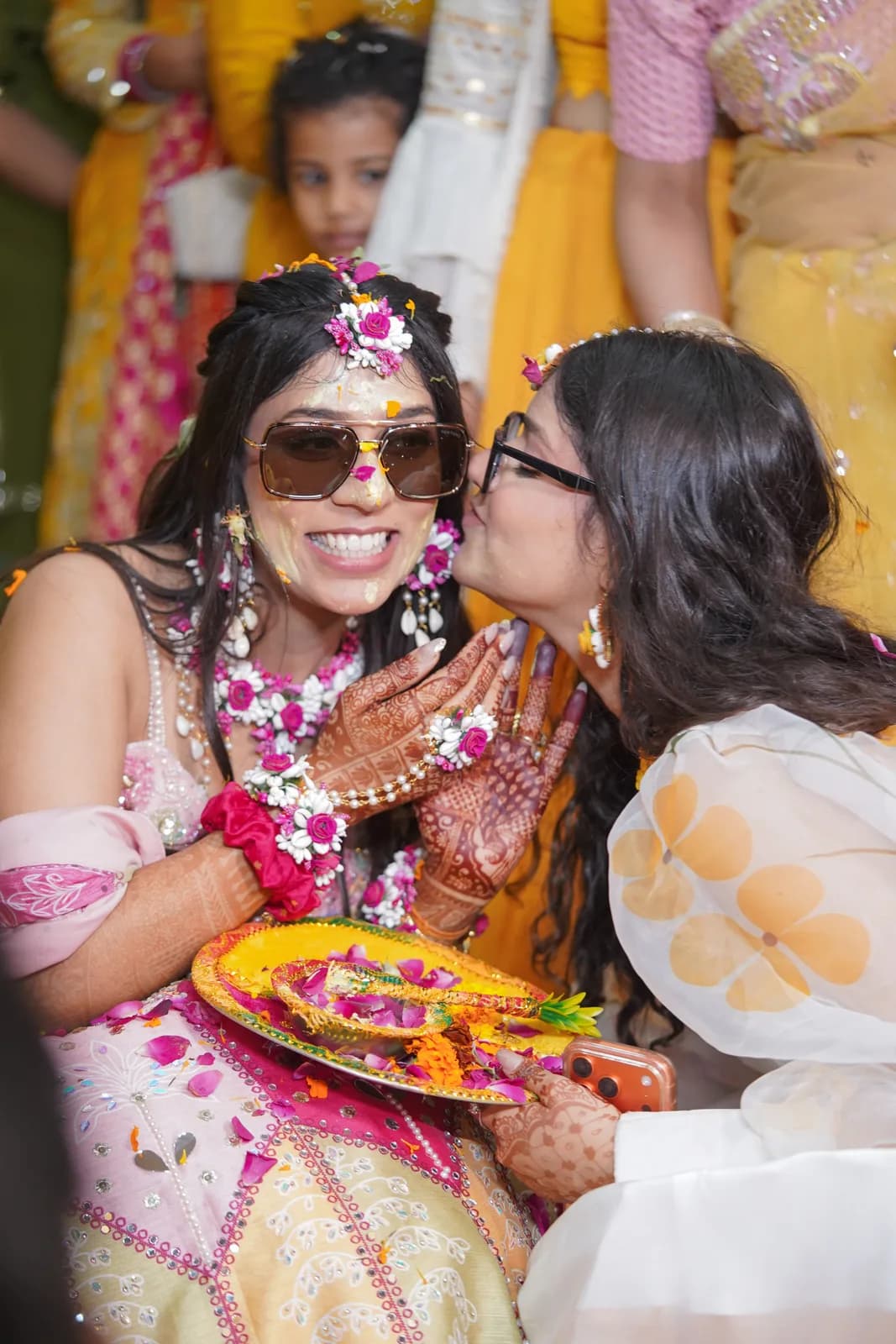
Bright photography, conversely, emphasises luminosity, clarity, and cheerful energy. Colours are vibrant; whites are true; shadows are soft and natural. The overall feeling is fresh, joyful, and clear-eyed. Golden light becomes bright and uplifting rather than intimate; even indoor lighting is rendered to feel open and airy. Bright photographs feel like they belong framed on a sunny wall or featured in a wedding magazine's lifestyle section. Neither approach is objectively better; they're different aesthetic languages that suit different weddings, couples, and preferences.
How Moody Photography Elevates Your Wedding Aesthetic
Moody photography works beautifully for couples drawn to sophisticated, romantic, or intimate aesthetics. If your venue has atmospheric lighting (a candlelit hall, fairy lights, ambient restaurant lighting), moody editing amplifies that ambiance. A photograph taken in a dimly-lit venue might be rendered with rich, deep tones that feel luxurious and intimate; the photographer's artistry isn't fighting against low light but enhancing the qualities that made that moment special.
Emotionally, moody photography often resonates more with couples who experience their wedding day as emotional and introspective. Tears become more poignant in moody light. Intimate couple moments feel profound rather than bubbly. For Indian weddings with layered rituals and sometimes low-light ceremonies (evening ceremonies, indoor temple weddings, or night-time celebrations), moody editing often feels congruent with how the day actually unfolds. It also photographs beautifully in warm, golden light—common during Indian wedding seasons—rendering it luxurious and honeyed.
When Bright Photography Captures Your Celebration's True Spirit
Bright photography suits couples who experience their wedding as a joyful, uninhibited celebration. If you're planning a daytime wedding with abundant natural light, if your family is exuberant and openly celebrating, if your wedding is outdoors and sun-soaked, bright photography feels authentic to your day. Bright editing ensures that the cheerful energy you actually felt is preserved in your album. Golden hour light becomes truly golden and uplifting; overcast days render soft and clear; even fluorescent reception lighting can be colour-corrected to feel warm and welcoming.
Bright photography also has a timeless quality—while moody trends come and go, bright, well-exposed, clearly composed photographs feel consistently beautiful. They're easier to edit to personal preferences later if you want to adjust colour or tone. For couples planning to share their wedding on social media, bright photography tends to photograph better on-screen and feels more engaging. Many Indian weddings, particularly South Indian ceremonies and celebrations, have bright, daylit components that benefit from bright, clarity-focused photography that honours that spirit.
Practical Factors That Influence Your Choice
Your wedding's timing significantly affects which approach works best. Daytime weddings are naturally brighter; forcing a moody aesthetic might feel forced. Evening and night weddings are naturally moodier; fighting that with overly bright editing might feel inauthentic. Consider your venue too—a lush garden wedding photographs differently than an intimate indoor ceremony. A palace venue with abundant daylight might suit bright photography; a heritage haveli with low lighting and atmospheric architecture might suit moody editing. Your personal style and how you experience colour matter as well.
Your family's aesthetic preferences also deserve consideration. Some families expect bright, clear wedding photographs that show everyone's faces and expressions distinctly. Others appreciate the sophistication and drama of moody editing. If you're unsure, ask your photographer to show you examples of their moody and bright work, and see which resonates. Many photographers use a hybrid approach: moody editing for intimate, emotional moments and detail work, bright editing for group photos and celebration scenes. This balance ensures your album has both atmospheric sophistication and joyful clarity.
How Moody and Bright Affect Specific Moments
Different moments benefit from different approaches. Ceremony moments—the vows, the rituals, the first moments as partners—often feel more profound in moody editing. These are introspective, emotional moments where atmospheric quality enhances their significance. Conversely, reception celebrations—dancing, group photos, toasts, the cake cutting—often benefit from bright, energetic editing that captures uninhibited joy.
Getting-ready photographs can work in both styles. Moody getting-ready feels intimate and introspective—you're alone with your thoughts as you're transformed. Bright getting-ready feels light and joyful—surrounded by loved ones, filled with excited anticipation. Details (your jewellery, your mehndi, your outfit) photograph beautifully in moody light, which emphasises texture and intricacy. They also photograph beautifully in bright light, which emphasises colour and craftsmanship. Discussing these distinctions with your photographer helps them understand how to apply your preferred aesthetic across different moments.