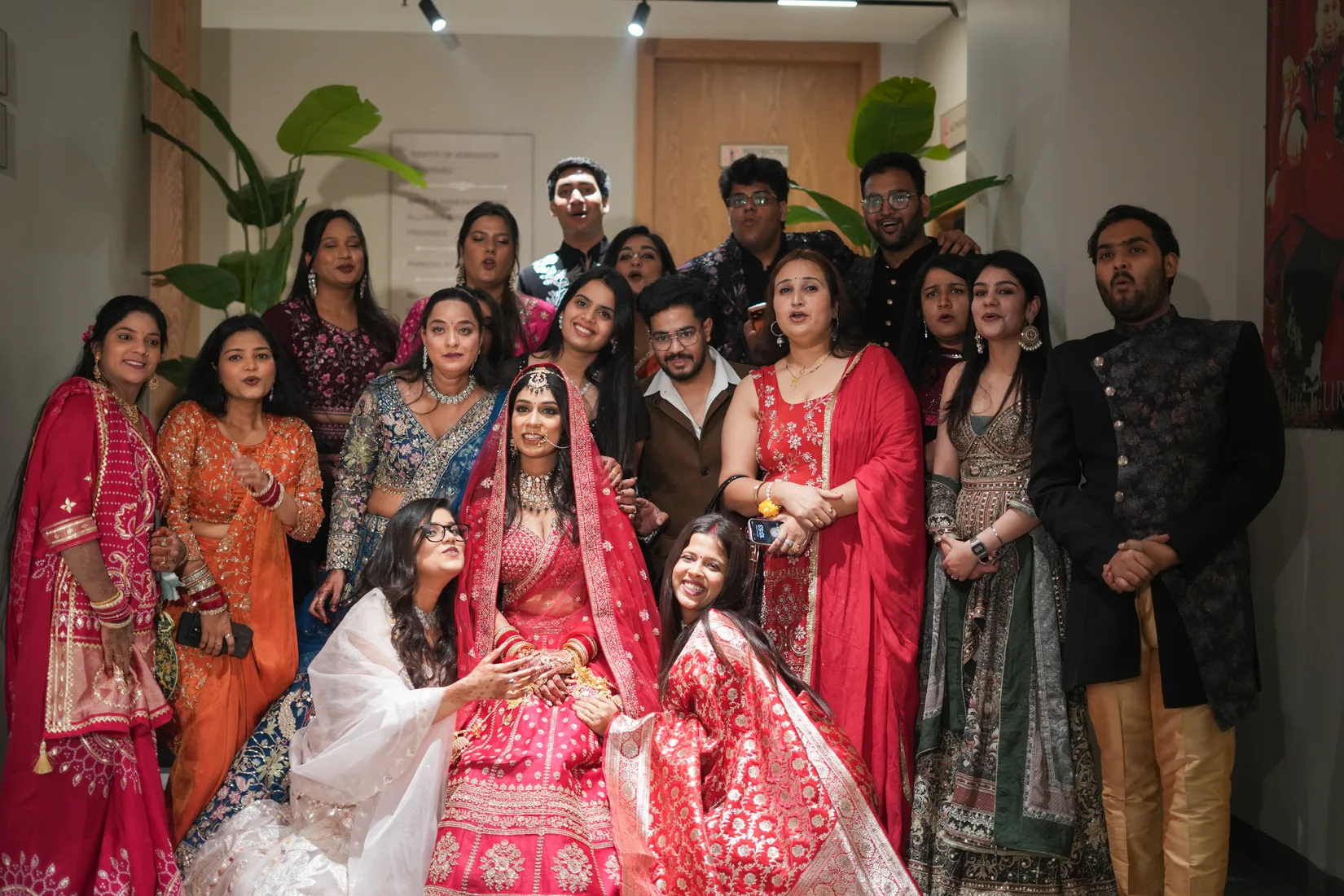
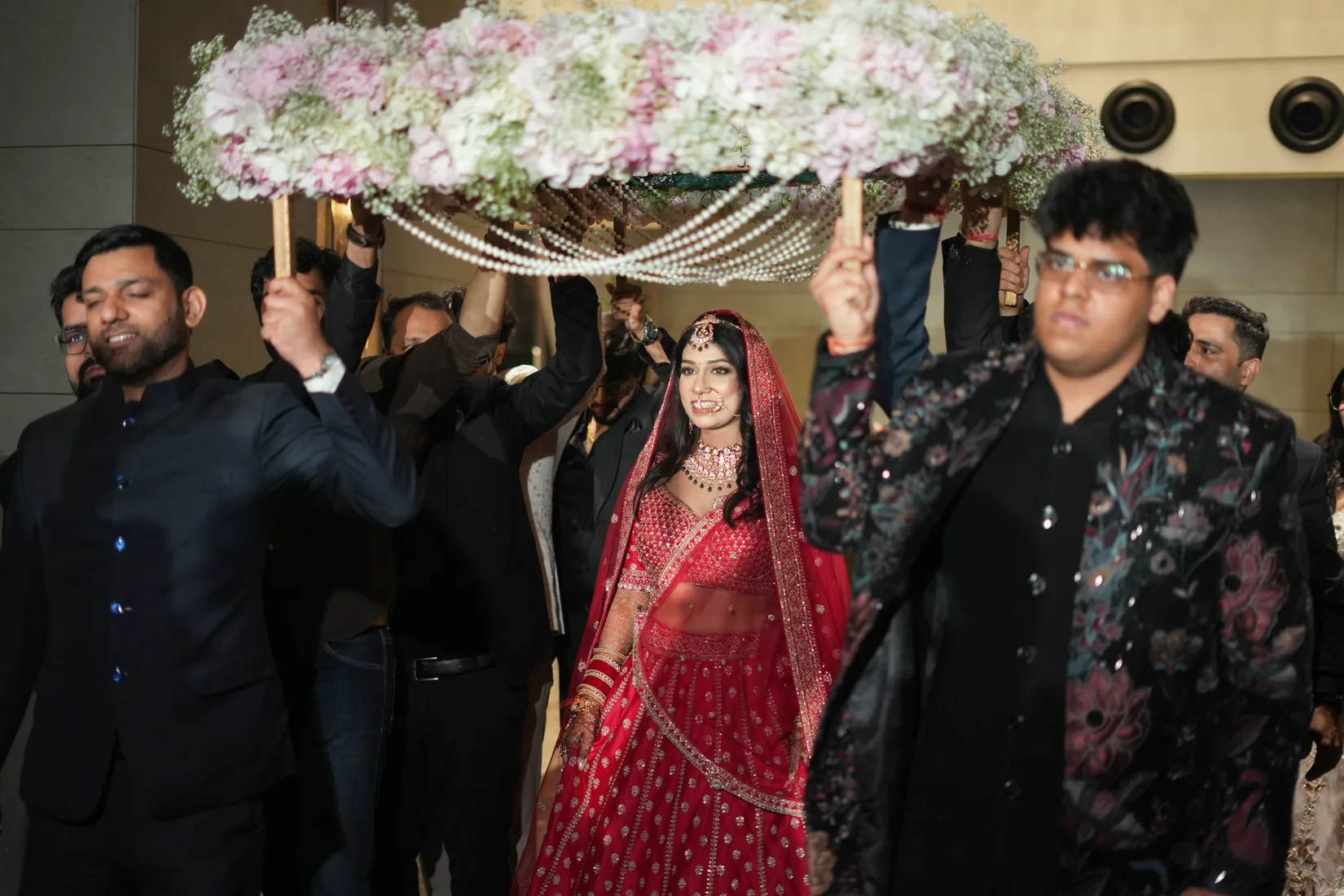
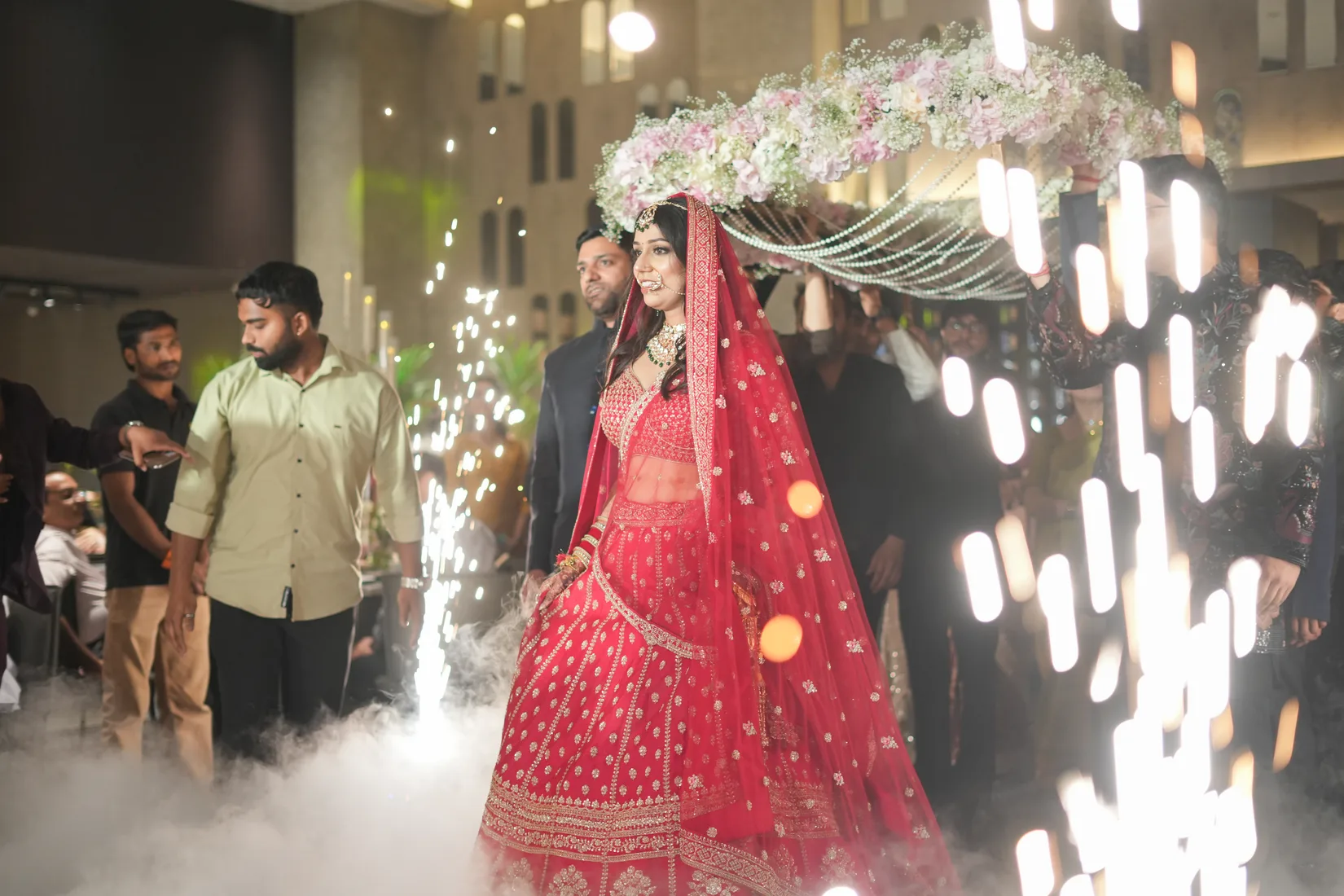
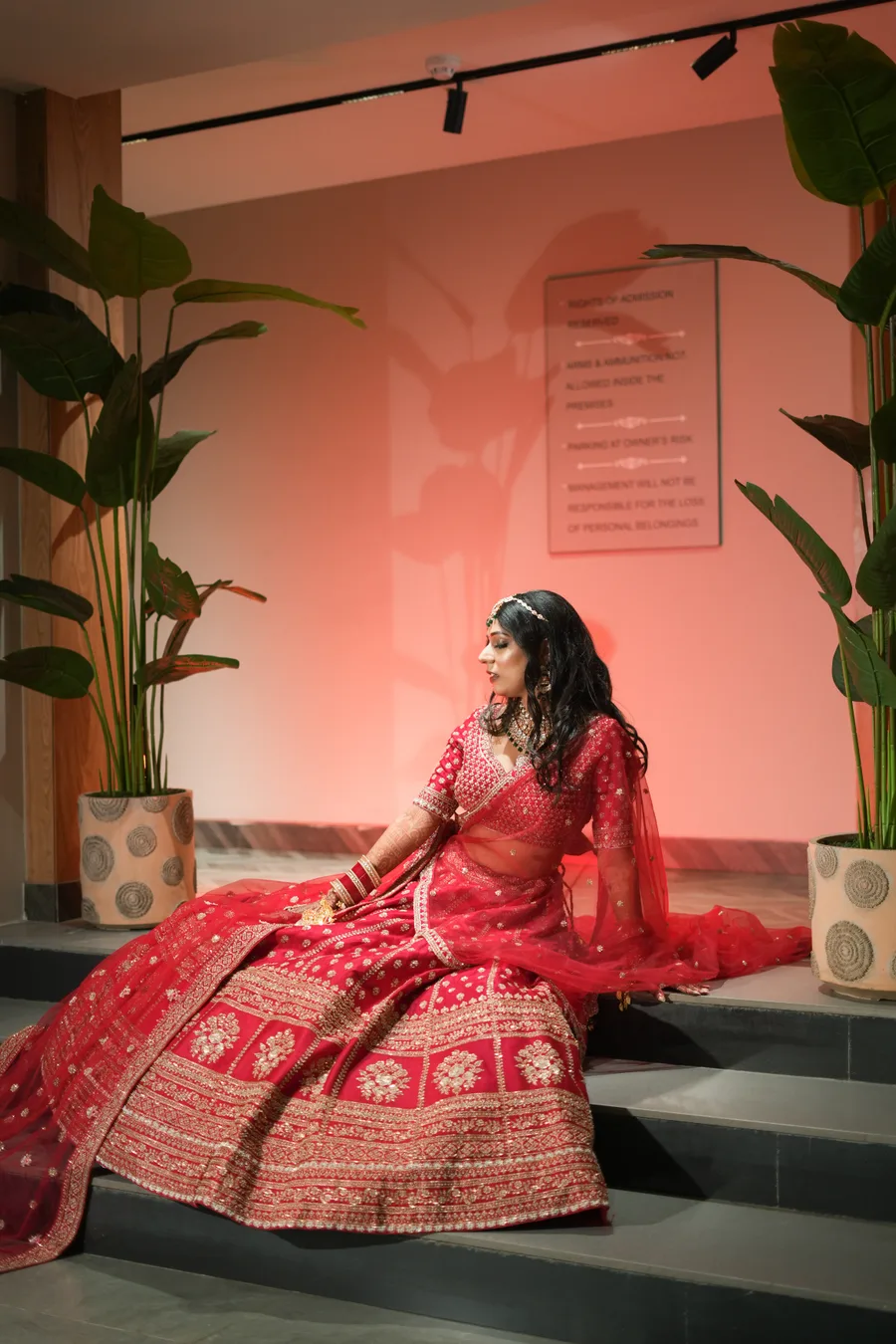
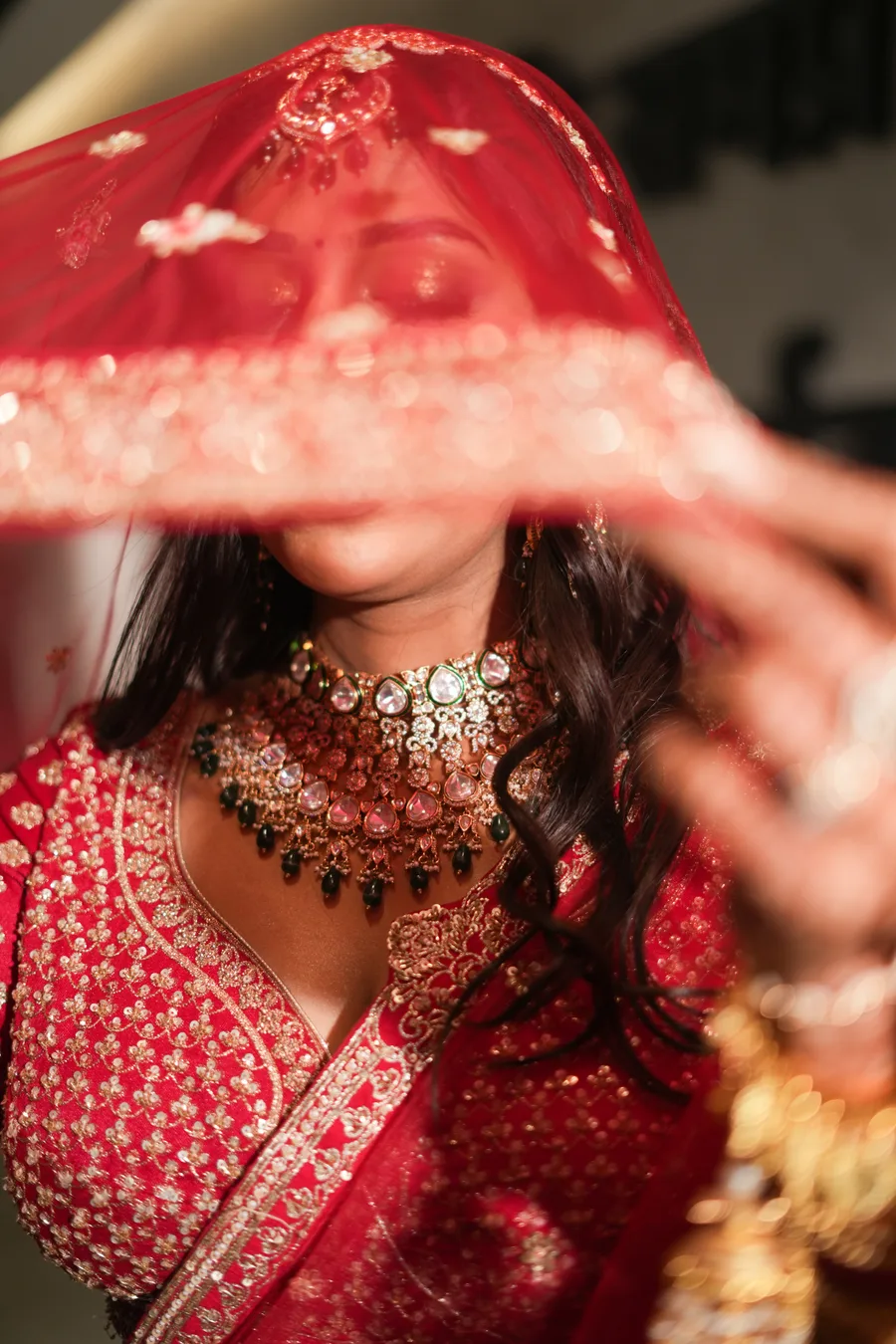
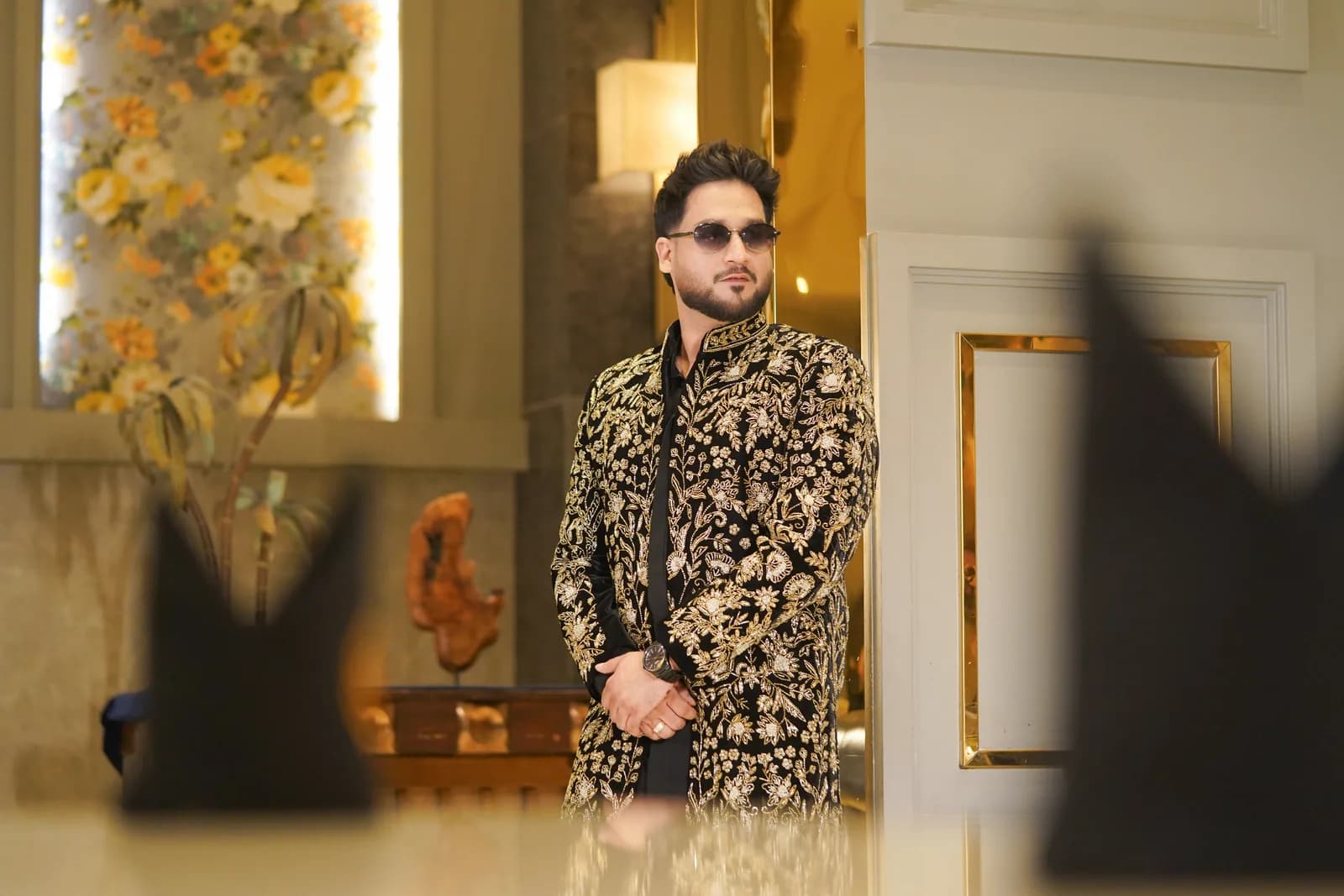
Evening and night weddings present lighting challenges, but create moody, dramatic photographs when handled well. Discover how photographers manage low light and create stunning nocturnal imagery.
Why Evening and Night Weddings Require Different Photography Approaches
Many Indian weddings occur in the evening or night, particularly reception celebrations, some ceremonies, and post-sunset festivities. This timing is practical (guests travel after work, venue logistics are simpler in evenings) and culturally meaningful (evening is often considered auspicious). However, evening and night photography presents technical challenges that daytime photography avoids. Ambient light is limited, requiring photographers to use faster lenses, higher ISO (which can introduce noise), and sometimes additional lighting equipment. The colour temperature of available light—often a mix of warm tungsten (venue lighting) and cooler candlelight or LED—is unpredictable.
Despite these challenges, night photography can produce some of the most atmospheric, romantic, and visually distinctive wedding images. The darkness creates intimacy; small light sources (a candle, a face lit by phone screens) become visually prominent and emotional. The contrast between dark backgrounds and lit subjects creates dimensional, sculptural photography. For couples who embrace the aesthetic rather than fighting it, night photography becomes an asset rather than a limitation. The key is choosing photographers experienced in evening and night work—they understand how to manipulate available light and create polished images.
Technical Strategies for Photographing Evening Events
Experienced night photographers use several technical strategies. Fast lenses (f/1.8 or wider) allow more light onto the camera sensor, enabling faster shutter speeds without excessive noise. High ISO is often necessary—shooting at ISO 1600, 3200, or even higher is normal for night photography, managed through proper exposure and careful post-processing to minimise noise. Many night photographers also supplement ambient light with flash, either as fill light to balance harsh shadows or as the primary light source when ambient light is insufficient. Some use video lights or wireless strobes to creatively light scenes.
White balance becomes critical; if your photographer doesn't set it correctly, night photographs can look either too orange (tungsten-heavy) or too blue (LED-heavy). Exposure metering is another key consideration. In low light with high-contrast scenes, standard metering often underexposes the subjects. Experienced night photographers use exposure compensation, manual exposure, or spot metering to ensure the couple is properly exposed even if the background remains dark. Choosing a photographer with demonstrable night photography experience, shown through actual portfolio examples, is crucial.
Venue Lighting and How It Affects Night Photography
Your reception venue's lighting scheme dramatically impacts night photography. Venues with ambient, warm lighting (historic buildings with soft tungsten lights, gardens with string lights and candles, halls with elegant uplighting) are naturally photogenic for night work. Venues with harsh, bright white LED or fluorescent lighting present challenges—the light is unflattering to skin tones and creates blown-out highlights. The best night photography happens in venues that are intentionally lit with aesthetic consideration: soft candlelight, warm string lights, uplighting in flattering colours, or a mix of these elements.
Some couples specifically choose venues based on their lighting aesthetics precisely because they're planning a night wedding. Historic hotels, palaces, and outdoor venues with strategic lighting create stunning night photography opportunities. During your venue tours, specifically ask how the space is lit in evening hours. Request to see it at night if possible, or look at photographer portfolios from that venue to understand the lighting quality. If you have flexibility, choosing a well-lit venue or investing in additional venue uplighting specifically for photography can transform night wedding images significantly.
The Aesthetic Value of Night Wedding Photography
Despite technical challenges, night photography offers unique aesthetic advantages. The darkness creates drama and intimacy that bright daylight cannot replicate. A couple dancing alone on a lit dance floor, surrounded by darkness, is visually arresting and emotionally intimate. Candlelit ceremonies are inherently romantic and atmospheric; photographs capture that romance authentically. Small light sources become poetically significant in night photographs. The contrast between lit and unlit areas creates sculptural, dimensional images that feel more artistic than daytime photographs.
Night photography often suits the mood and energy of evening celebrations. Receptions are exuberant, sometimes wild, often more uninhibited than ceremonies. The darker aesthetic of night photography can echo this energy—moody, dramatic, sophisticated. For couples who want their album to feel romantic, atmospheric, and somewhat intimate despite being a large celebration, night photography delivers that naturally. It also photographs beautifully in moody editing, creating a cohesive, atmospheric album.
Planning Your Night Wedding Coverage
Clear communication with your night wedding photographer is essential. Discuss their experience with evening and night photography; ask to see portfolio examples shot in similar lighting conditions to your venue. Clarify what supplemental lighting they'll bring (flash, video lights, reflectors) and how they plan to manage white balance and exposure. Discuss your aesthetic preferences—do you want moody, atmospheric images or brighter, more clearly exposed night photographs?
Also discuss coverage gaps and which moments matter most to you. If certain events (a specific toast, a performance) are planned, brief your photographer so they can anticipate and position themselves accordingly. Consider whether additional lighting might enhance your venue—uplighting or string lights primarily chosen for aesthetics but which also aid photography. With proper planning and an experienced night photographer, evening and night weddings produce some of the most distinctive, moody, and visually memorable images. If you're planning an evening wedding and want to explore how night photography can serve your celebrations, Lens9 Studio welcomes the chance to discuss your vision.