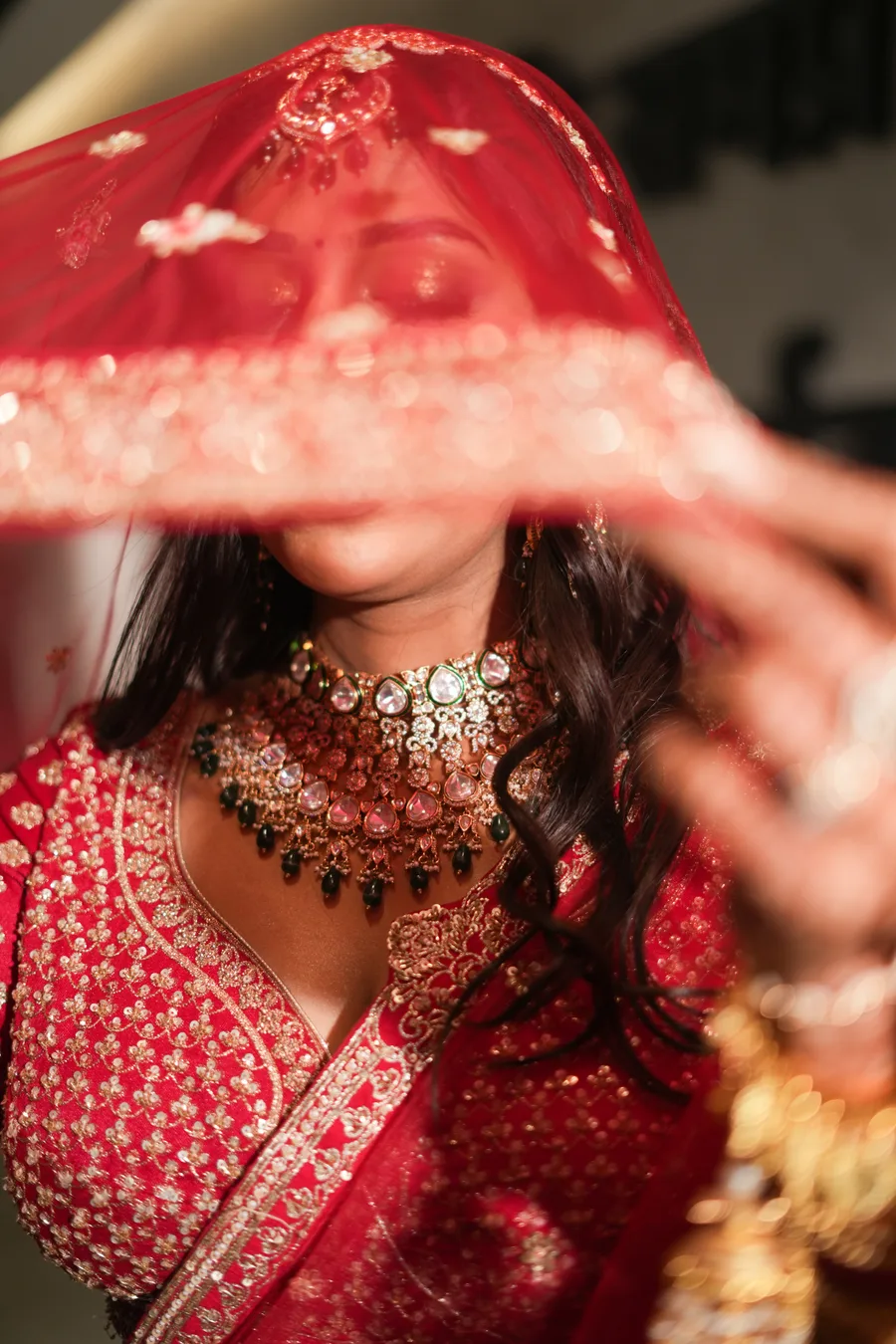
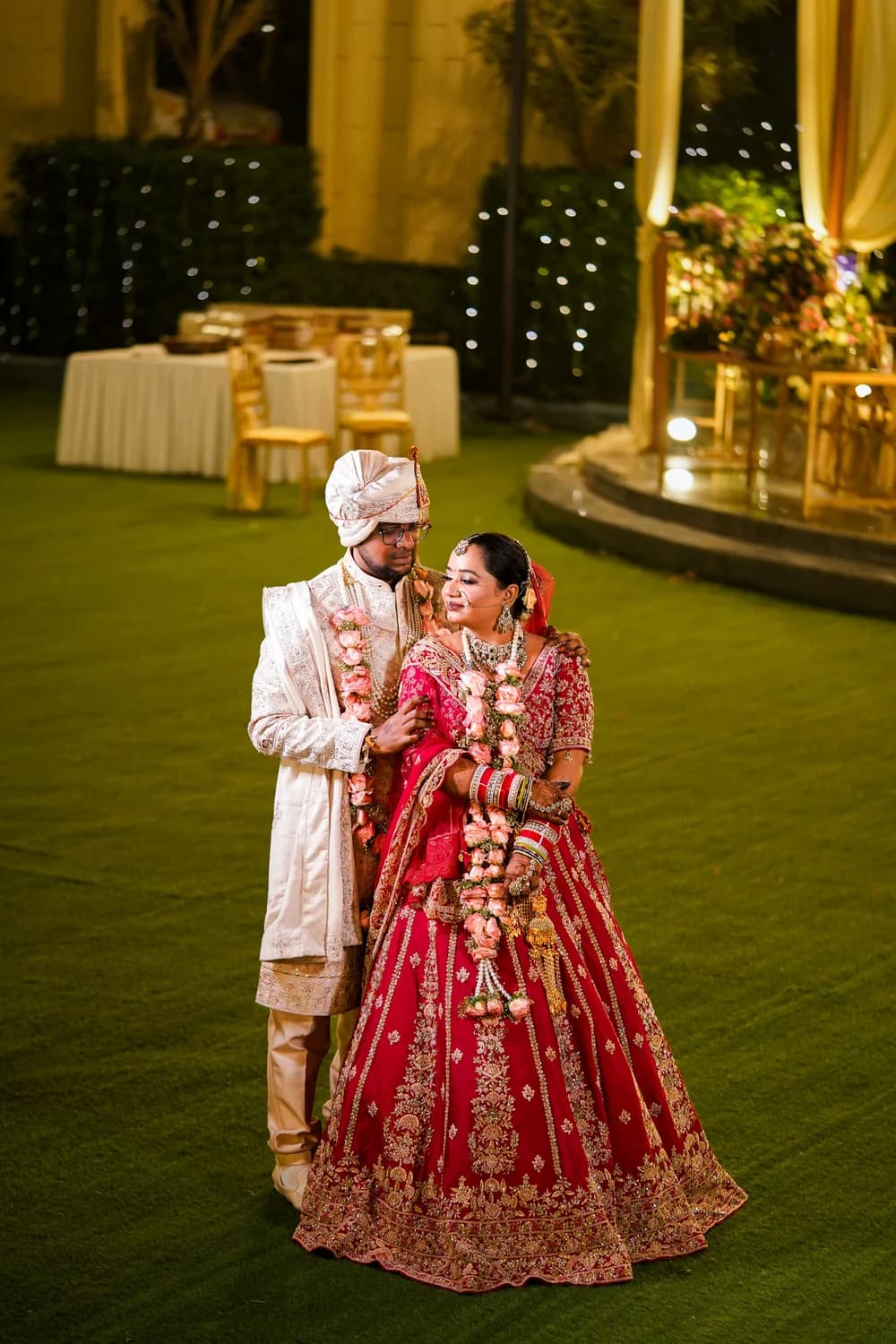
North Indian weddings overflow with colour, ritual, and multi-day celebration. Discover how photographers capture the mehendi, baarat, and sacred moments that define these rich ceremonial traditions.
Understanding the Visual Language of North Indian Wedding Photography
North Indian wedding photography is fundamentally different from other regional styles because it spans multiple days, each with its own visual theme and emotional arc. Mehendi, sangeet, baraat, and the marriage ceremony itself each demand different storytelling approaches, lighting strategies, and technical preparedness. A photographer working with North Indian families must understand not just what to capture, but the cultural significance of each moment—the blessing rituals, the emotional transitions, the family dynamics that unfold across days.
The scale alone presents unique challenges and opportunities. You're often working across sprawling venues, managing large guest lists, and coordinating with multiple events happening simultaneously. Unlike Western ceremonies that unfold in a few hours, North Indian celebrations demand stamina, adaptability, and the kind of foresight that prevents you from missing the mehendi application on the bride's hands or the groom's family's arrival gesture. This is where visual planning and advance scouting become essential rather than optional.
The Mehendi: Colour, Henna, and Intimate Family Moments
Mehendi ceremonies are a photographer's feast of colour—vibrant fabrics, intricate henna application, coordinated outfits, and the kind of unguarded joy that doesn't appear in formal posed shots. The challenge is balancing the visual spectacle with the intimate details: close-ups of henna patterns on palms, the concentrated expression on the artist's face, the bride's sisters and friends laughing in the background. Soft, diffused light works best during daytime mehendi events, allowing you to preserve the natural tones of the fabrics without harsh shadows across faces or hands.
The best mehendi photographs often come from positioning yourself between formal photo opportunities—during the henna application itself, while guests are eating or chatting, or during the dancing sequences when people forget the camera is there. These in-between moments reveal the genuine relationships and emotional texture of the celebration, far more than staged group shots. Pay attention to the play of light on decorated hands, the reflections in mirrors or jewellery, and the way family members interact around the bride.
Capturing the Baarat: Movement, Music, and Ceremonial Grandeur
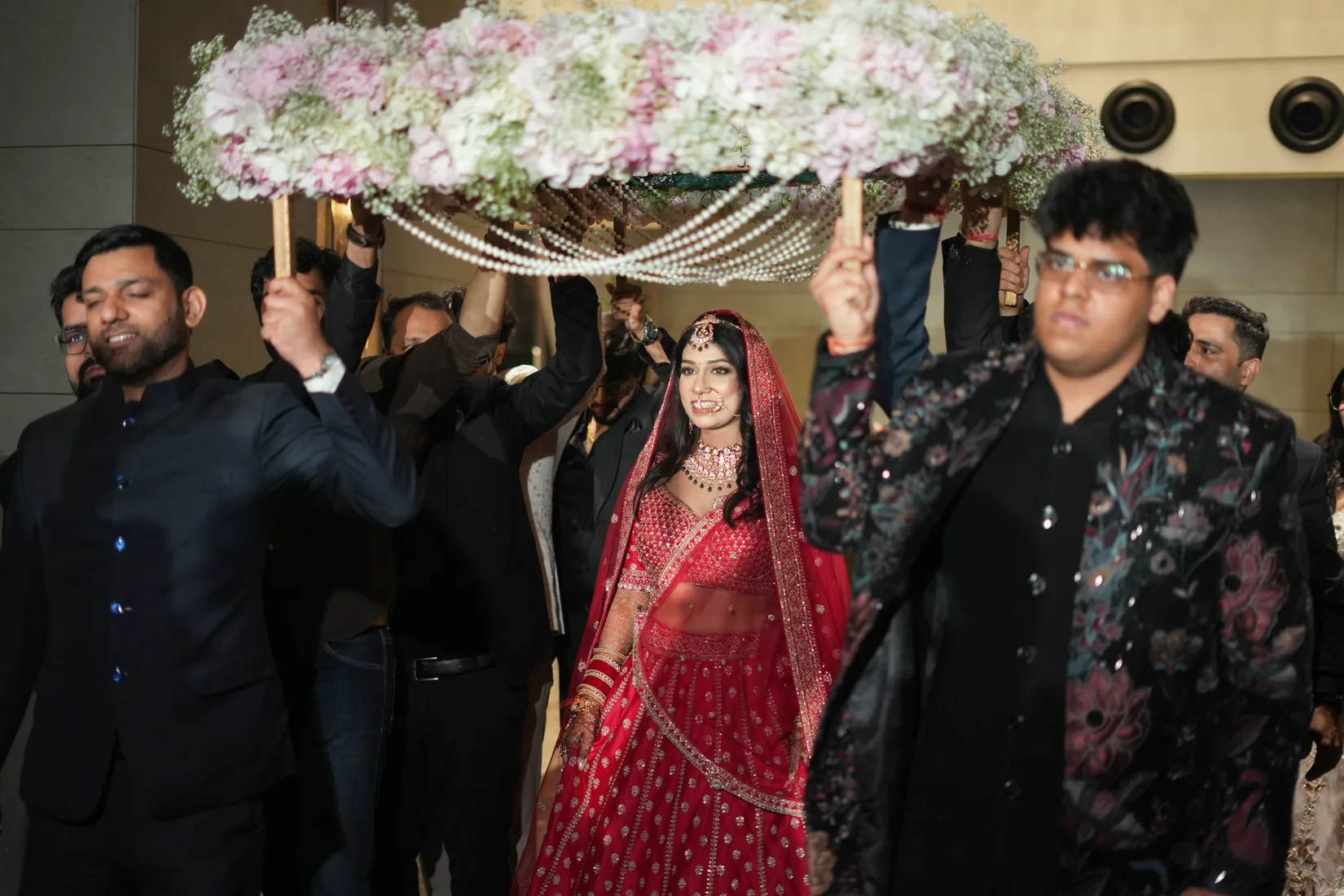
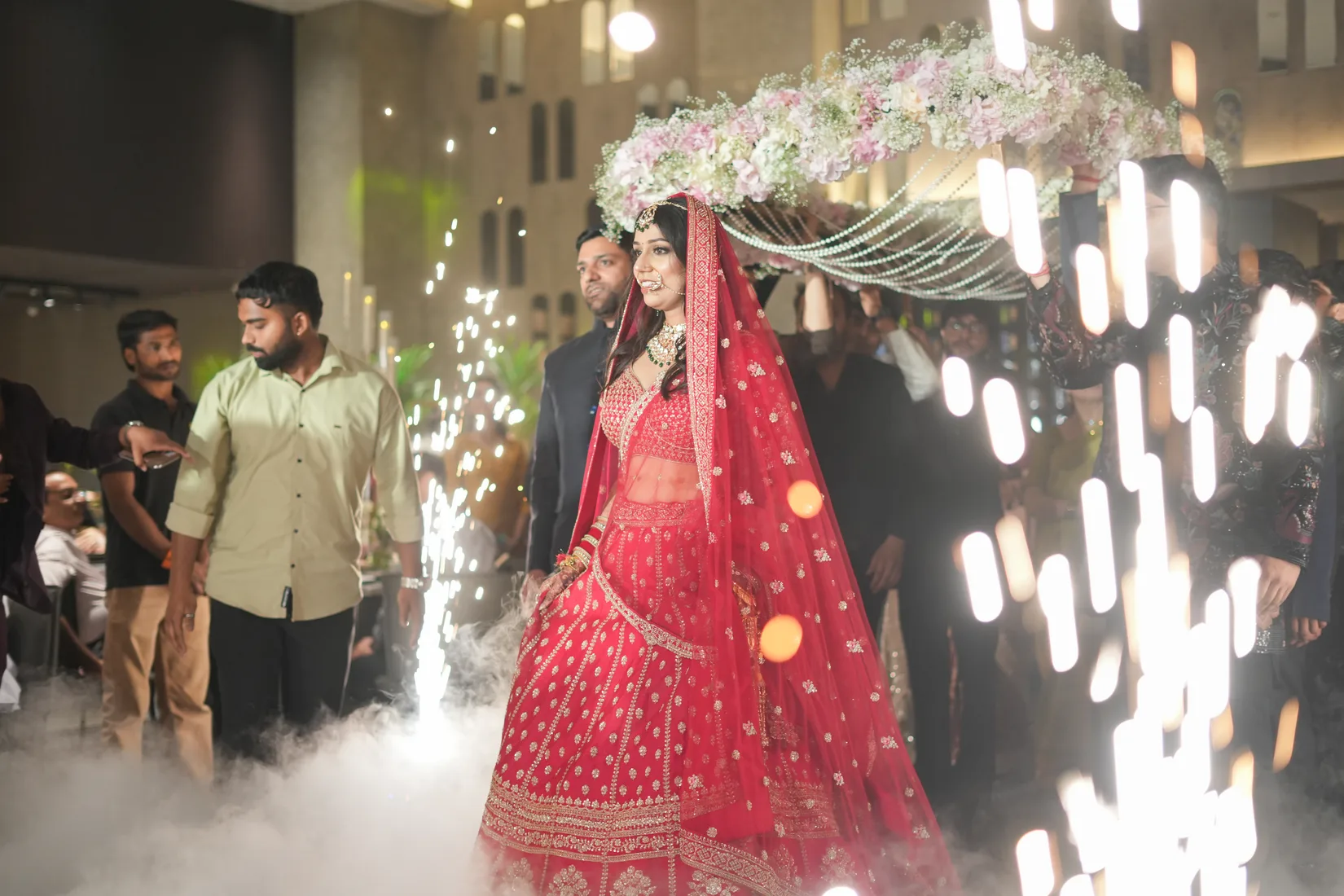
The groom's arrival—whether on horseback, in a decorated car, or on foot with his family—is one of the most visually dynamic events in North Indian wedding photography. The baarat combines movement, music, and elaborate costumes into a single, time-bound spectacle that you cannot recreate or pause. This requires anticipation: scout the arrival route beforehand, identify the best vantage points, and position yourself where you can capture both the groom's expression and the energy of the arriving party without creating obstacles for the actual celebration.
Rhythm and timing are everything during baarat photography. The band's movements, the dancing guests, the decorated vehicle or horse, and the groom's own composure all shift constantly. Use a faster shutter speed to freeze motion, but also capture some frames where movement blur conveys the energy of the moment. The emotional peak often isn't the groom's face when he first arrives—it's the moment when families see each other, when the bride's mother greets him, or when his younger siblings break into dancing. Stay alert for these secondary moments; they often tell the richer story.
The Ceremony Under the Mandap: Light, Ritual, and Sacred Geometry
The marriage ceremony itself—the vows, pheras, and completion of rituals—represents the ceremonial heart of North Indian weddings and demands technical precision combined with deep respect for religious observance. Understanding the sequence of rituals in advance allows you to anticipate key moments: the moment the groom arrives at the mandap, the first phera, the tying of the knot, the throwing of flowers, and the final formal acknowledgement. Many ceremonies happen under a mandap with variable lighting—sometimes bright outdoor sun, sometimes dappled shade, occasionally indoor with artificial lights mixed with natural spillover.
The most important principle is never obstructing the ritual itself or blocking the view of family members who want to witness these moments. This means positioning yourself strategically to capture the bride and groom's faces and the priest's actions without stepping into the sight lines of those gathered. Wide-angle shots of the entire mandap setup establish context and beauty, but the intimate frames—the bride's expression during the pheras, the groom's trembling hands, the priest's guidance—require you to be close enough to see details without being intrusive. Many photographers use two cameras during the ceremony, one for wide contextual shots and one for tight emotional details.
Post-Ceremony Details and Family Portraits
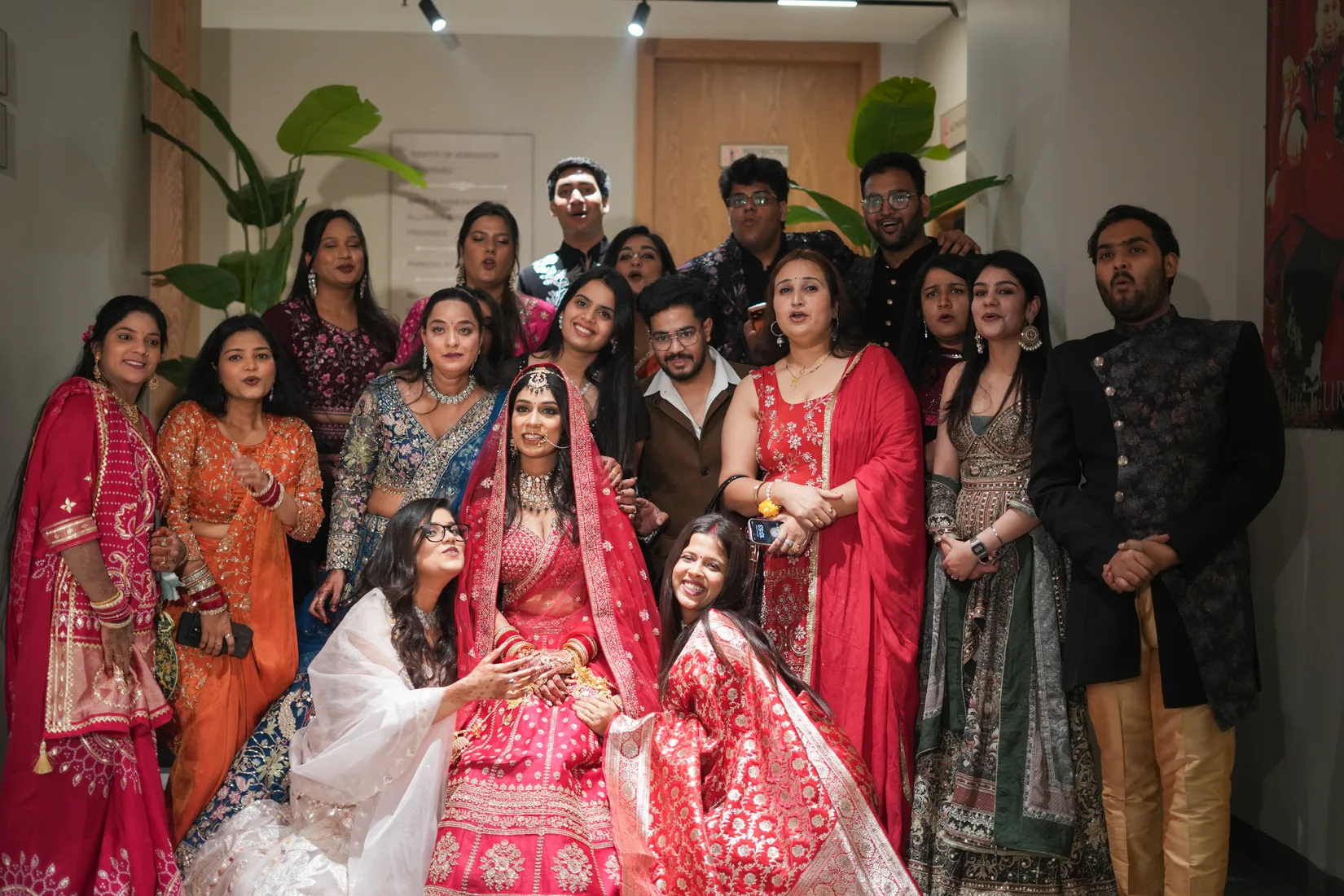
After the ceremony concludes, there's a small window where the newlywed couple, their families, and close relatives gather for formal portraits and blessings. This is prime time for capturing structured shots—the couple together, the bride with her family, the groom with his parents, the extended family groups. The light and location matter enormously here. Seek out areas with soft, directional light (often the side of the mandap, a nearby pavilion, or an outdoor corner with shade from trees or structures). Harsh overhead sun creates unflattering shadows and forces squinting; early morning or late afternoon light works far better than midday.
The emotional texture of these moments is often bittersweet—joy mixed with the formality of the occasion and the solemnity of newly changed relationships. Capture the bride's parents' expressions as they formally hand off their daughter, the moment a parent blesses the couple, the genuine smiles when no one is posing. These frames, more than any formally arranged group shot, convey the realness of what's happened.
Technical Considerations and Advance Planning
North Indian weddings demand meticulous advance planning with vendors, family members, and the venue. Meet with the family at least a month before the wedding to understand their expectations, the detailed timeline of each event, key moments they don't want missed, and any restrictions (temples or mandaps where photography is limited). Confirm lighting conditions at each venue—ask specifically about how the mehendi space is lit in the evening, whether the baarat route is well-lit, and what artificial lighting exists at the ceremony location. Bring extra batteries, memory cards, and backup lighting equipment; three days of shooting will tax your gear.
Coordinate with other vendors—the videographer, the priest or pandit, the florist, and the family's chosen photographer for candid moments. Understand the family's expectations around posed shots versus candid coverage, and clarify any cultural sensitivities. Some families prefer more formal documentation, whilst others want an intimate, fly-on-the-wall approach. The best North Indian wedding photography combines both: the formal record of what happened, and the genuine human story of how it felt.