Weigh the benefits of an unplugged wedding ceremony. Learn how this policy affects photography, guest experience, and modern wedding expectations in India.
Understanding the Unplugged Wedding Ceremony
An unplugged wedding ceremony means guests are asked to refrain from using phones and cameras during the ceremony itself. No photography, no video, no live social media posting—just presence and attention on the couple exchanging vows. The intention is admirable: create a sacred, focused moment free from digital distraction. However, the execution varies. Some couples impose strict unplugged policies (no phones at all, asked to turn them off), while others are gentle suggestions ('We'd love your presence, not your phones'). The level of enforcement influences both the atmosphere and how well the policy is observed.
Unplugged ceremonies emerged partly as a reaction to guests being more focused on photos than the actual moment, and partly to protect the couple's privacy (avoiding unauthorised photos on social media). However, Indian weddings have unique dynamics. For extended families, a wedding is a significant family event; some relatives travel from distant locations and want to photograph and share. The generational gap matters too: older guests often don't carry cameras anyway, while younger guests expect to document their lives digitally. An unplugged policy affects different guests differently.
How It Improves Your Professional Photography
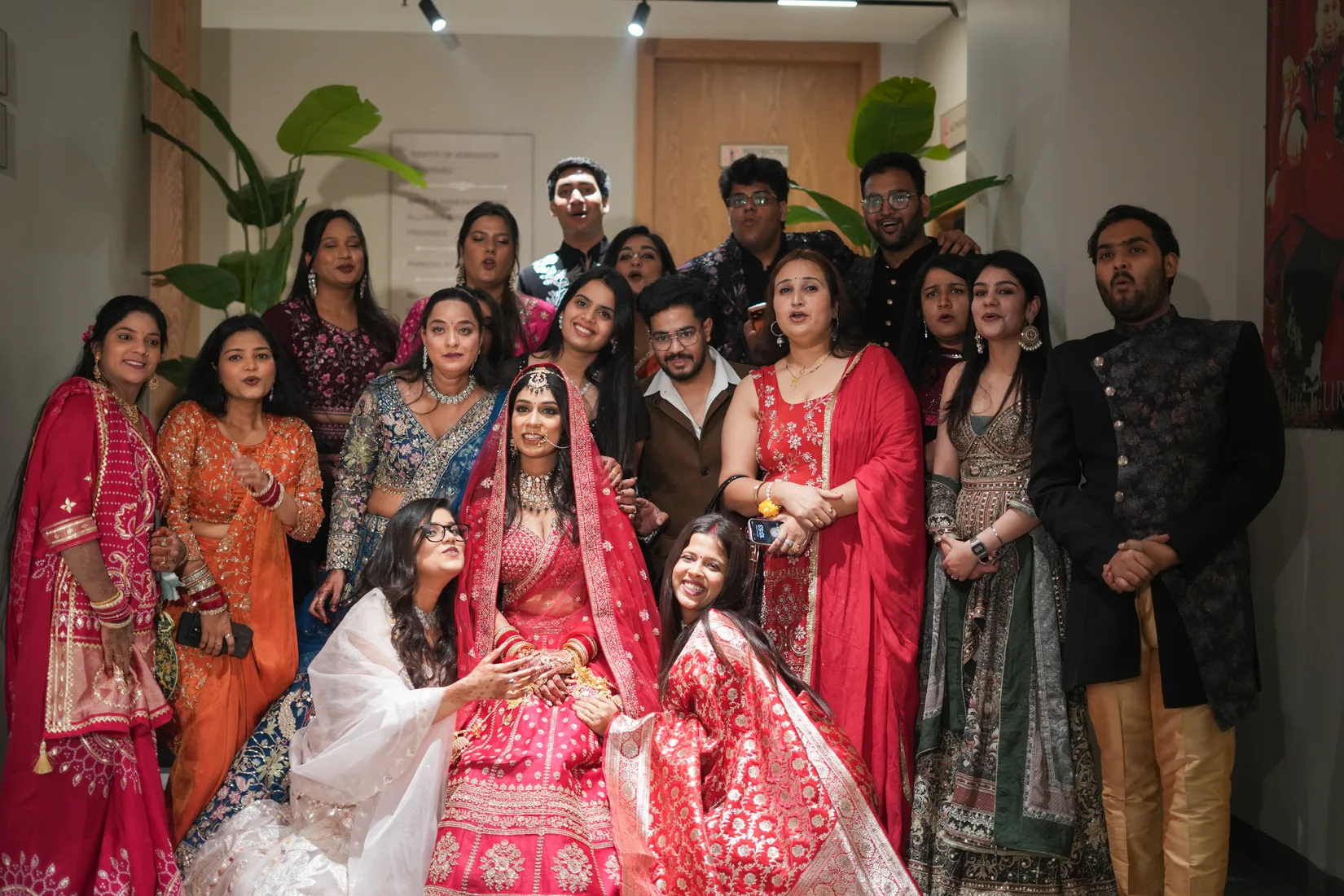
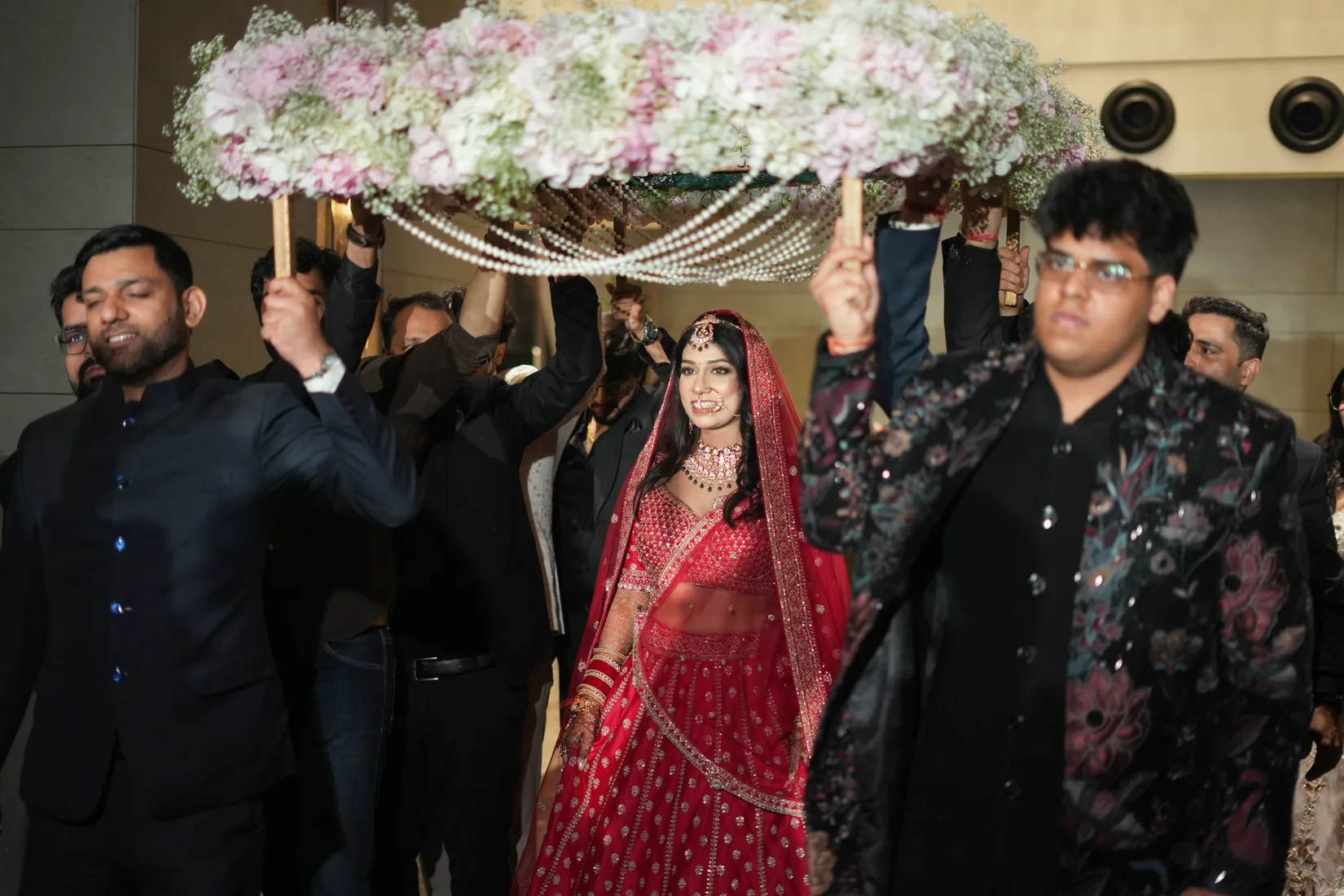
The primary photography benefit of an unplugged ceremony is focus and control. When guests aren't holding up phones and cameras, your professional photographer has clearer sightlines. There's no forest of hands and screens blocking the couple's faces. Your photographer can move more freely, position themselves strategically, and compose shots without working around guest photography equipment. Additionally, guests aren't distracted by phone use; they're genuinely present and reacting emotionally. Their authentic expressions—tears, smiles, genuine joy—become part of the visual narrative your photographer captures.
Another benefit: your couple portraits remain private and intimate until you share them. With phones everywhere, photos appear on social media immediately; by the time your professional photographer shares images, guests have already posted their versions. An unplugged policy gives your professional images the dignity of being the 'first' versions your loved ones see. This is particularly valuable if you're selective about which images become public. Some families prefer formal, official photography to be the source of public images, rather than candid phone-shot versions circulating first.
Practical Challenges and Guest Reception
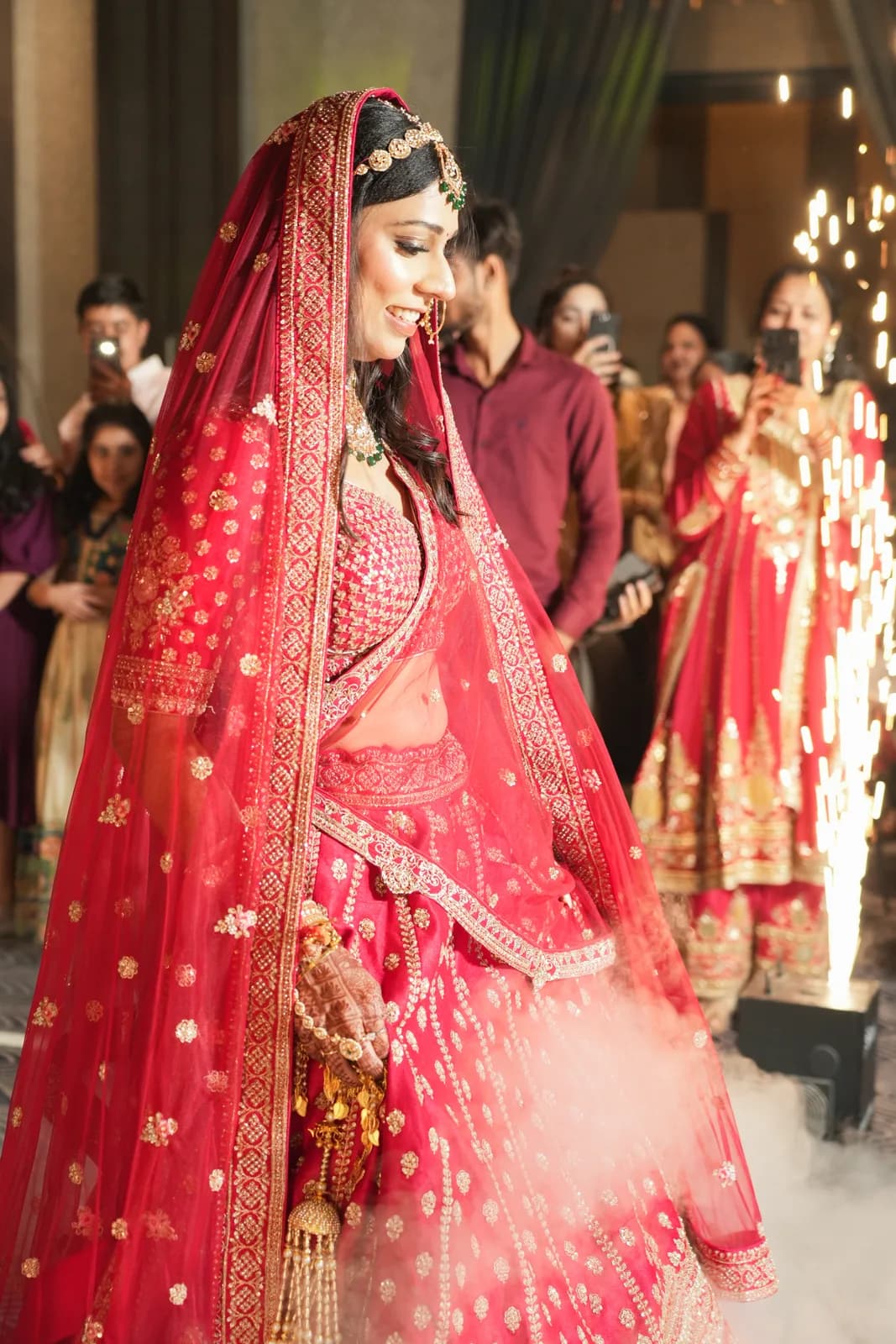
Enforcing an unplugged ceremony comes with challenges. Some guests don't respect the policy; they'll photograph anyway, either openly or secretly. Asking family members to not document a significant family event can feel controlling or hurtful, particularly if they travelled far specifically to attend. In Indian contexts where weddings are major family events, an unplugged policy sometimes creates tension. Older relatives might feel their need to share photos with distant family members (aunts in other states, grandparents who couldn't attend) is being restricted. Younger guests, accustomed to live-documenting their lives, might feel the policy is overly restrictive.
Guest reception varies widely. Some guests appreciate being present without digital distraction; they find it enhances their experience of the ceremony. Others resent the restriction, viewing it as uptight or controlling. The tone matters enormously. A couple who requests unplugged ceremonies warmly ('We'd love to experience this together without phones') generates different responses than couples who demand it authoritatively. Some guests who are initially sceptical warm up if they see how genuinely present and joyful the couple is; others remain resentful if they couldn't photograph the family event they travelled to attend.
Communicating Your Unplugged Policy Effectively
If you choose an unplugged ceremony, communicate the request clearly well before your wedding. Include it on your invitation or in wedding information shared with guests. Explain the 'why' behind your preference: you want to be present with loved ones, experience the ceremony without distraction, or ensure your professional photographer captures the moment without competition. A warm, genuine explanation generates more buy-in than a stern mandate. For example: 'We've asked our photographer to capture this moment for us. We'd love to experience the ceremony surrounded by your presence and smiles rather than screens. Thank you for keeping your phones away during the ceremony (feel free to photograph the reception!).'
On the wedding day, have someone (ideally a trusted family member or your wedding coordinator) gently reinforce the policy as guests arrive. Provide a coat check or designated phone-holder area if possible, removing temptation. You might assign someone to collect phones before the ceremony and return them afterward, though this feels extreme to many couples. More commonly, simply creating a clear expectation and gentle reinforcement works. Acknowledge that some guests might not comply; rather than creating conflict, let your photographer work around it. The goal is setting an intention, not enforcing a draconian policy that breeds resentment.
Hybrid Approaches and Modern Alternatives
Many couples find a middle ground: unplugged ceremony, but permission to photograph the recession. This allows guests to document the celebration while keeping the ceremony itself focused. Another approach is an unplugged ceremony with a designated guest photographer. You invite one trusted guest (often a parent or sibling with a quality camera) to photograph during the ceremony alongside your professional photographer. This lets family documentation happen while keeping the broader guest group unplugged. Some couples take a 'soft unplugged' approach: they request phones away but don't strictly enforce it, relying on atmosphere and example to encourage presence.
A modern alternative growing in popularity is the livestream approach. A couple films the ceremony professionally and streams it to guests who couldn't attend physically. If you do this, encourage in-person guests to experience the moment live rather than watching through their phones. Some couples also do a 'phone-free window' rather than a fully unplugged ceremony: cameras allowed at specific moments (perhaps as the couple exchanges vows or the first kiss), but phones down during emotional parts or during specific rituals. This compromise acknowledges that families want to document important moments while protecting the couple's intimacy and focus.
Making Your Decision
Your unplugged decision depends on your comfort with guest participation, your values around presence and distraction, and your family's expectations. If you genuinely prefer presence over phones and your family will respect that preference, an unplugged ceremony can create a beautifully focused moment. If you anticipate resistance or discomfort, a hybrid approach or soft policy prevents conflict. Consider also your own comfort: some couples feel self-conscious performing their vows without the safety of knowing phones will document it. Others feel genuinely present and focused when phones are absent.
Ultimately, the most beautiful ceremonies happen when the couple is genuinely present, guests feel respected and included, and the photographer captures authentic moments. An unplugged ceremony can facilitate this, but so can a photographer skilled enough to work around guest phones, and guests caring enough to be present naturally. Focus on your priorities: whether you want to control guest documentation or you simply want your photographer to have clear sightlines, whether you value the principle of presence or you're okay with flexibility. Choose an approach aligned with your genuine values, communicate it warmly to your guests, and then let go of perfect execution. The moments that matter—your vows, your love, your joy—will shine through regardless of whether phones are present or absent. If you're refining your vision for a ceremony that feels authentic and beautifully documented, we'd be delighted to explore how professional photography works with your chosen approach.