A thoughtful wedding day photography timeline ensures no moment is missed and your photographer can capture everything that matters. From pre-ceremony preparation to post-reception celebrations, timing is everything when it comes to beautiful, complete wedding coverage.
Why Your Wedding Day Photography Timeline Matters
The ideal wedding day photography timeline is more than just scheduling when your photographer shows up and leaves. It's about ensuring every meaningful moment is captured without rushing, without your photographer being caught off-guard, and without missing the quiet, intimate moments that often become your favourite images. A thoughtful timeline gives your photographer enough flexibility to work with changing conditions while maintaining the structure needed to capture everything important.
Think of your timeline as a roadmap. Your photographer uses it to plan which gear to bring for each part of the day, to position themselves for key moments, to anticipate transitions, and to manage their energy across many hours. You use it to coordinate with other service providers (makeup, hair, catering), to ensure your family is ready when needed, and to keep the day flowing smoothly. When both you and your photographer are working from the same timeline, everything feels more coordinated and less chaotic.
This is particularly important for Indian weddings, which often span multiple events across one or more days. A wedding day photography timeline might include mehendi, sangeet, ceremony, and reception—or it might be spread across three days with different venues and family members involved. Clear timing prevents your photographer from missing the mehendi while they're setting up at the ceremony venue, or missing reception moments because nobody told them what time dinner actually starts.
Pre-Ceremony Photography: When Your Photographer Should Arrive
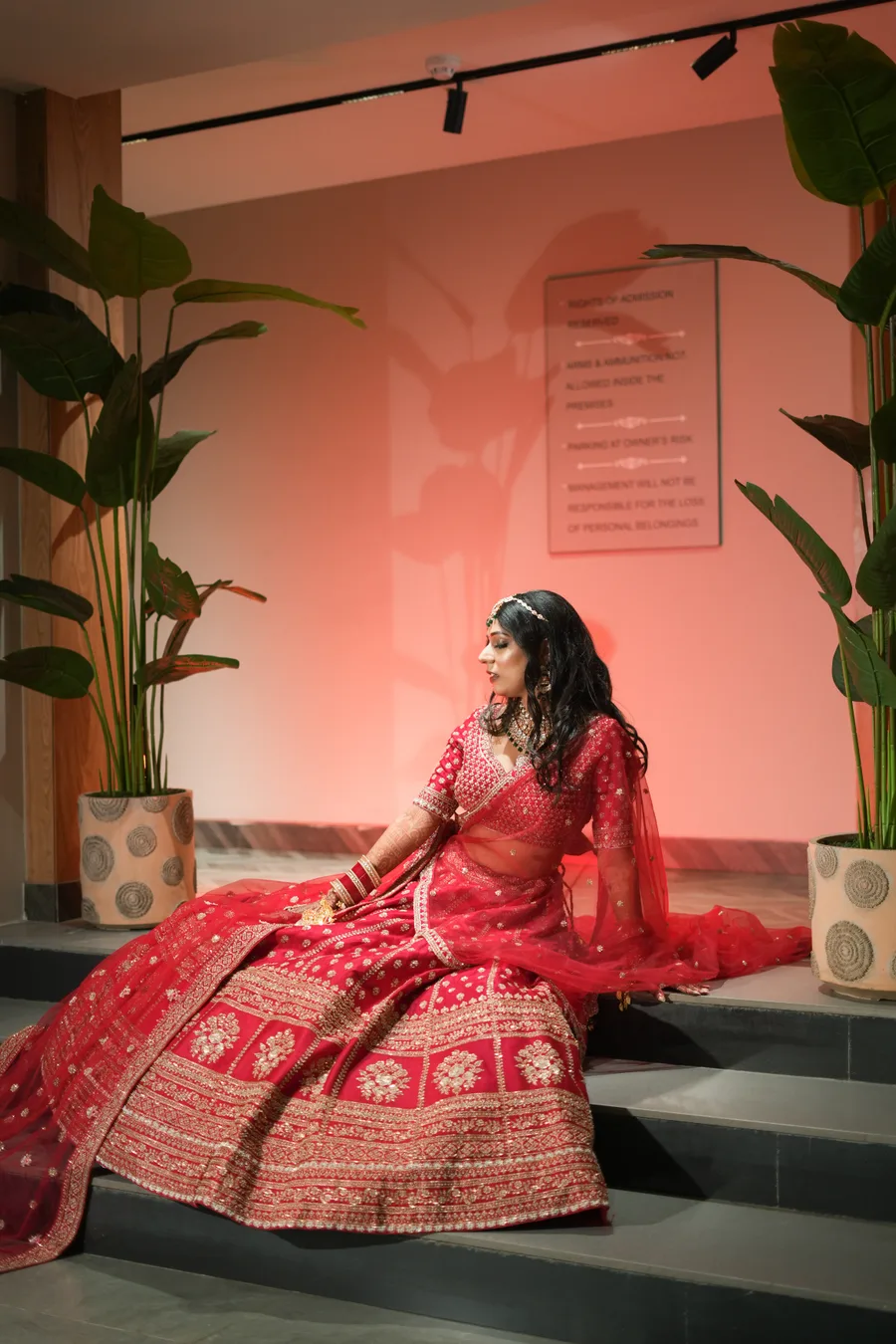
The pre-ceremony moments—your family getting ready, the groom's family arriving, the bride's bridal portrait session—require your photographer to be present and ready well before the ceremony begins. Typically, a photographer should arrive 2–3 hours before the ceremony is scheduled to start. This gives them time to scout lighting, identify the best locations for candid shots, and capture getting-ready moments without rushing.
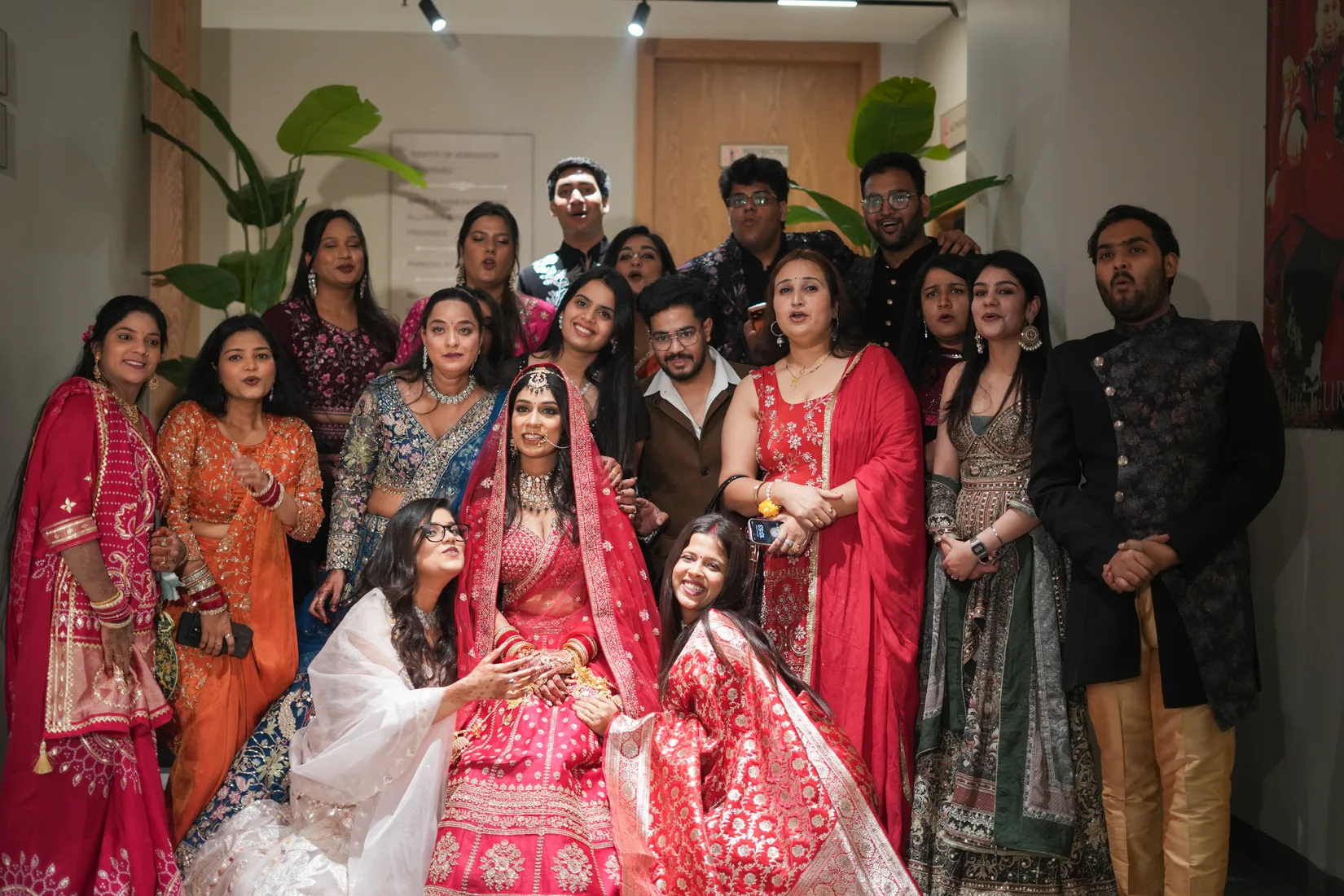
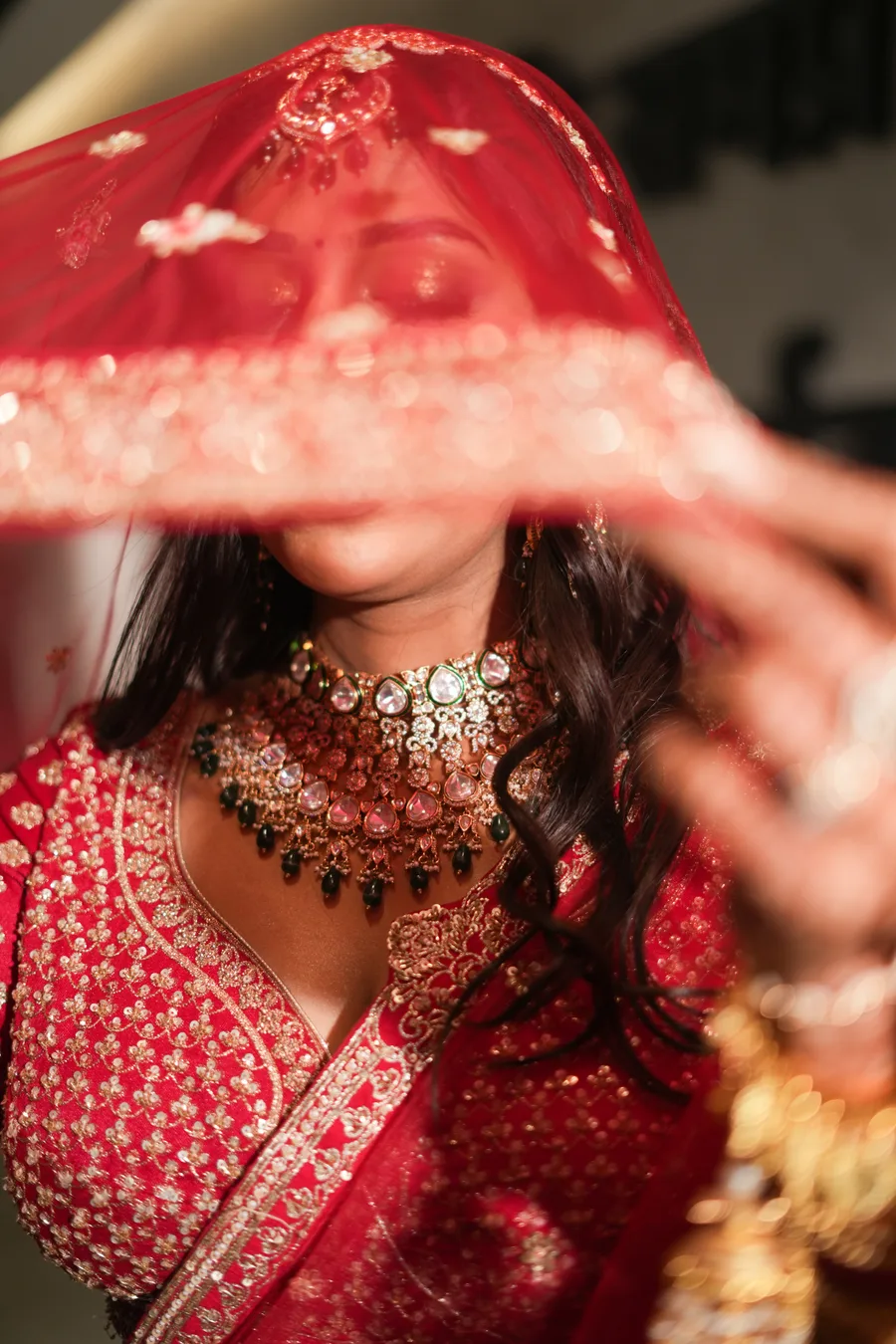
For the bride's family and household, your photographer should be there early enough to capture genuine getting-ready moments: the chaos and joy of friends helping with makeup, the grandmother's reaction to seeing the bride's outfit, the final adjustments to jewellery and dupatta. These candid moments can't be recreated; they happen in real time. Similarly, the groom's arrival (if the groom is arriving at your home or venue) is an important photographic moment that requires your photographer to be positioned and ready.
Communicate with your photographer about what time your makeup is scheduled to start and finish, when you'll put on your outfit, and when you'll be ready for dedicated bridal portrait time. Most photographers ask for a 'ready time'—the time by which you'll be fully dressed and made up. This allows them to plan the schedule around that milestone, knowing everything else builds forward from there.
Ceremony, Portraits, and Reception Milestones in the Day
The ceremony itself is the anchor point of your wedding day. Your photographer needs to know the exact time the ceremony is scheduled to start, and ideally, how long it will run. For a typical Hindu wedding, this might be 45 minutes to two hours depending on whether the pheras are included, whether there are specific rituals, and whether there are extended family moments. A Christian ceremony might run 30–45 minutes; a Muslim nikah might be brief. Knowing the duration helps your photographer plan positioning and gear changes.
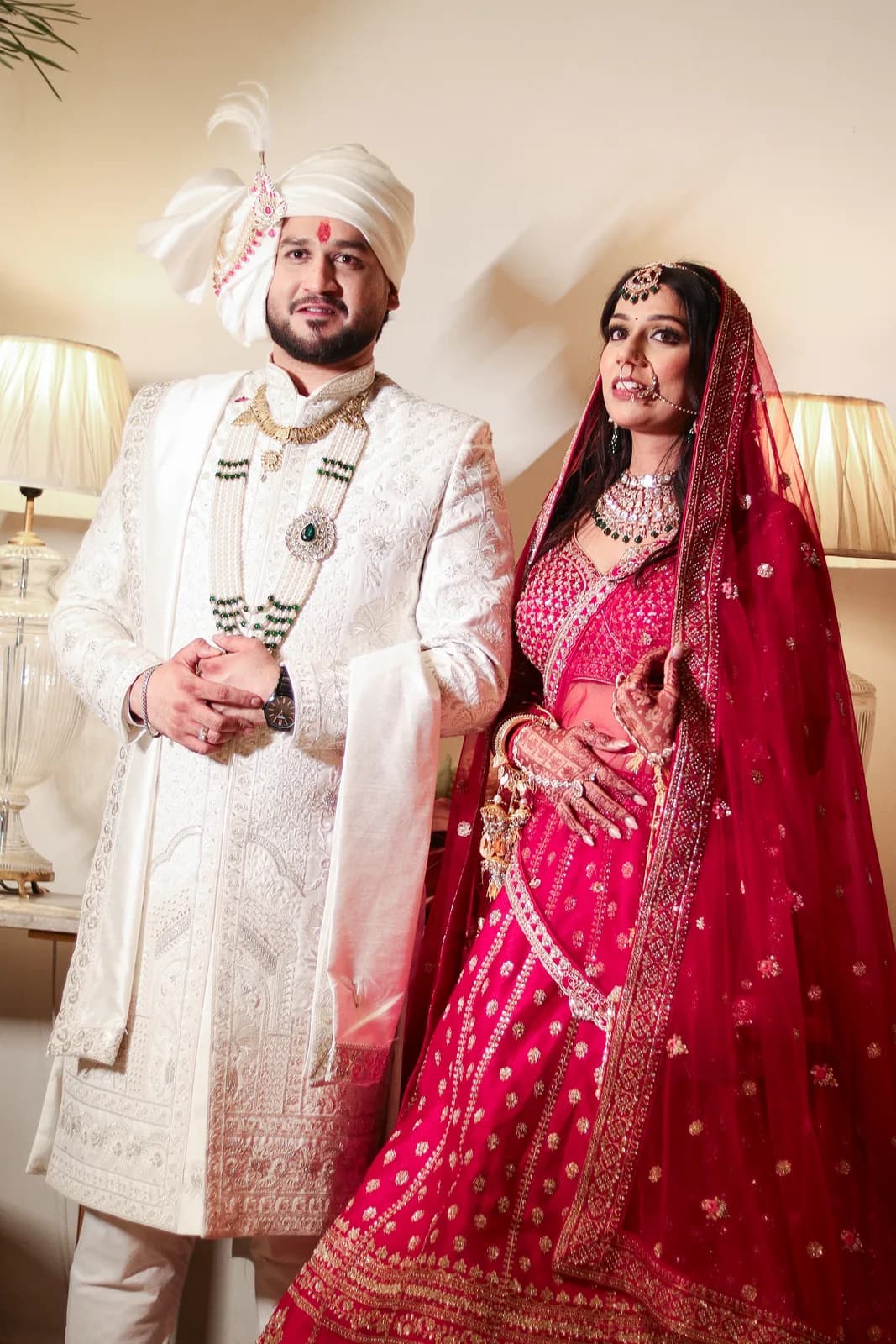
After the ceremony, there's typically a transition period—maybe 15–30 minutes—where guests congratulate the couple, informal photographs happen, and people move to the reception space. This is chaos but it's important chaos, and your photographer should be capturing authentic moments rather than being caught off-guard. Then comes the couple portrait session (if you've booked one), which usually takes 20–45 minutes depending on locations and outfit changes.
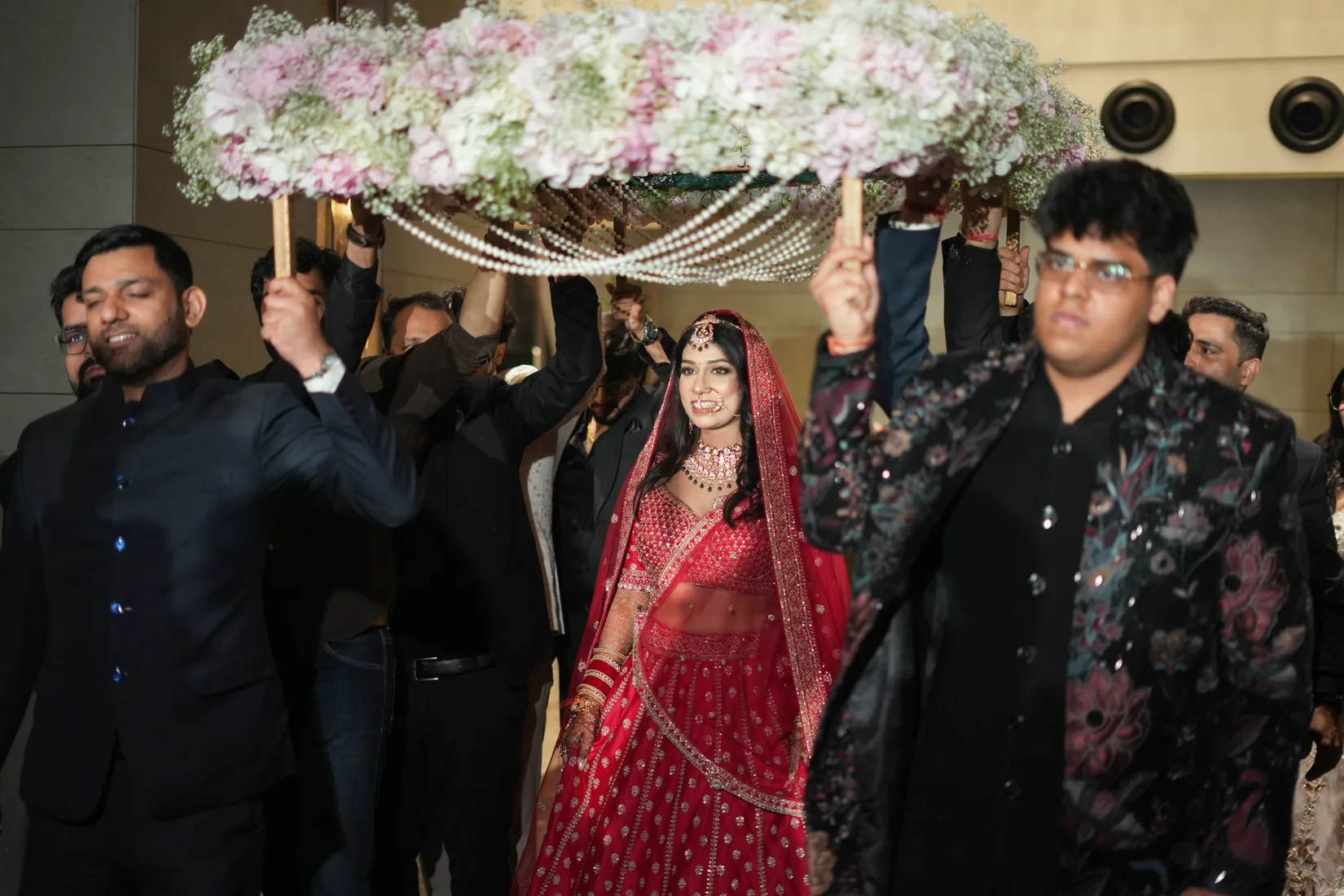
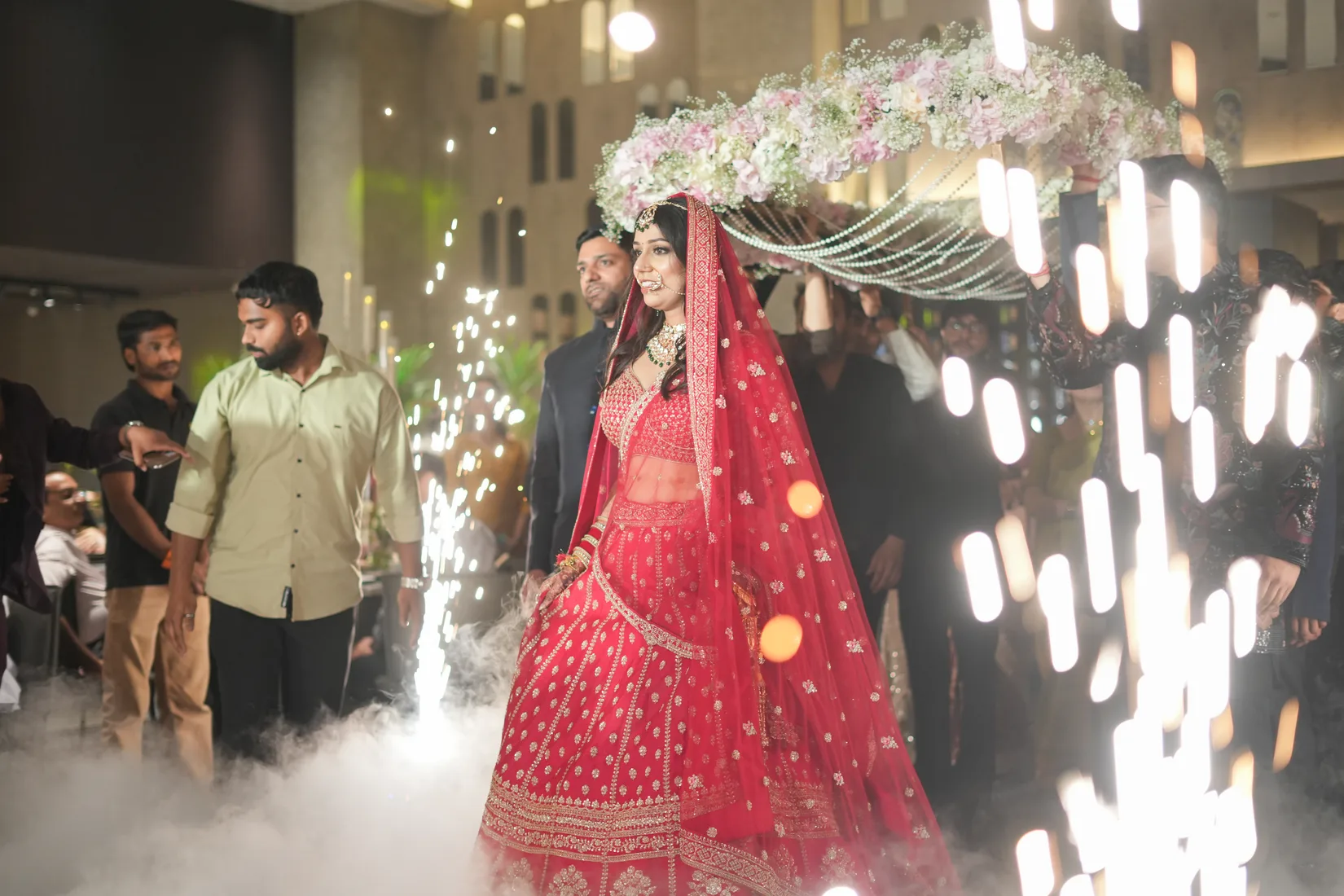
The reception includes several milestones: guests arriving and cocktail time, the couple's entrance, speeches, first dance, cake cutting, and general celebration. Your photographer needs to know roughly when these will happen so they can position themselves, charge batteries between major moments, and anticipate transitions. A timeline that says 'couple entrance at 8:00 p.m., speeches at 8:15 p.m., dance at 8:45 p.m.' is infinitely more useful than no timeline at all.
Getting-Ready Moments and Critical Transitions
Getting-ready moments are often some of the most authentic and emotionally rich images from your wedding. Your mother fastening your mangalsutra, your sister doing your makeup, your grandmother's hands adjusting your dupatta—these candid moments reveal genuine love and connection in ways that posed images can't. But they only happen if your photographer is there during the getting-ready process, not just when you're fully ready.
For an ideal timeline, block out 1.5–2 hours for getting ready, with your photographer present for most of it. This isn't because makeup and hair take that long (though they might), but because these additional hours allow for genuine candid moments between the 'stages' of getting ready. Your photographer can capture the quiet moment when you're sitting still before anyone else arrives, the sister who comes to check on you, the moment you stand up and see yourself for the first time in the full outfit.
The reception includes several 'must-capture' moments that your photographer needs to anticipate. Speeches are often the most emotionally rich moment of the reception—family members and friends sharing stories, teasing, celebrating, occasionally becoming emotional. Your photographer needs to be positioned to capture facial expressions and genuine reactions, which means knowing roughly when speeches will happen. If speeches run late or early, your photographer should be flexible, but knowing the approximate timing prevents them being elsewhere when an important moment happens.
Planning Your Timeline With Your Photographer and Team
Create your timeline by working backwards from your ceremony start time. Your ceremony starts at X; therefore, guests should arrive by Y; therefore, you need to be fully ready by Z. That Z time becomes your target, and everything before that—makeup start, outfit changes, portrait time—gets scheduled accordingly. Share this timeline with your photographer, your wedding coordinator (if you have one), your family, and your other service providers (makeup, catering, florals, music).
A good timeline includes some buffer time. Don't schedule getting-ready to end exactly when the ceremony starts; build in 15–30 minutes for any delays. Similarly, don't schedule the couple portrait session to end five minutes before you need to walk down the aisle; delays happen, and you want a cushion. Successful wedding days often run 15–30 minutes behind schedule; accounting for this in your timeline prevents rushing and stress.
Your photographer should provide input on your timeline too. They'll know from experience how long certain moments typically take to photograph well, what transitions are smooth, and what commonly causes delays. If you're planning a 20-minute transition between ceremony and reception at different venues, your photographer might flag that as tight given travel time. Their input is valuable; they're the ones managing the coverage, so their suggestions come from genuine experience. At Lens9 Studio, we work closely with couples to develop realistic timelines that protect the moments you care about most.