Jodhpur's indigo facades and desert majesty create instantly recognisable wedding imagery. Understand what a skilled wedding photographer in Jodhpur needs to know about fort ceremonies, desert heat, and capturing colour in the Blue City's unique terrain.
Jodhpur's visual distinctiveness and colour management expertise
A wedding photographer in Jodhpur operates in one of India's most visually distinctive environments—the famous indigo-painted old city creates instant visual recognition and colour challenges that demand sophisticated technical understanding. The pervasive blue of Jodhpur's architecture isn't quaint background; it's an active visual element that influences exposure metering, white balance, and how colours translate in photographs. A photographer who has genuinely shot weddings in Jodhpur knows how to meter correctly when blue surrounds your entire frame, how to manage white balance so blue doesn't cast entire images with a cool tone, and how to compose so the distinctive architecture enhances rather than dominates.
Jodhpur also sits on the edge of the Thar Desert, meaning landscapes here have specific qualities—open sky dominates, vegetation is sparse, and light is intense and direct. This is very different from forested hill stations or lush coastal areas; it's an austere, sculptural landscape where light and shadow play become primary compositional elements. Your photographer needs to understand desert light—how shadows are sharp and dramatic, how the sky functions as a visual element rather than just background, and how your outfit, skin tone, and expressions read against vast open landscape.
Mehrangarh Fort ceremonies and managing iconic landmark photography
Mehrangarh Fort dominates Jodhpur's silhouette and provides iconic backdrops for wedding photography—ceremonies at the fort, celebrations in palace courtyards, couple shoots against fort walls—create instantly recognisable images. However, fort photography requires understanding of specific constraints: some areas are closed to photographers, lighting inside fort structures is challenging, heat during daytime can be intense, and the sheer popularity of the fort as a tourist destination means managing crowds. A photographer experienced with Mehrangarh ceremonies knows exactly which areas permit photography, what time of day each location photographs best, and realistic logistics.
Fort walls photograph beautifully in golden-hour light, creating warm textures and dramatic shadows. However, midday sun creates harsh contrast and unflattering shadows on faces. Your photographer should plan ceremony timing and couple shoots around this reality rather than fitting photography into whatever time the venue schedules activities. Some fort properties offer interior palace rooms with heritage furnishings, ornate mirrors, and period architecture—these photograph magnificently but require understanding how to work in dim interior light without flash-dependent harshness.
Desert couple shoots and Thar landscape mastery
Jodhpur's surrounding desert landscape offers extraordinary couple shoot potential—sand dunes, open vistas, dramatic sky backdrops, and the sense of scale that desert environments create. However, desert shoots require genuine respect for the environment and physical demands: sand is hot, walking in traditional attire across dunes is genuinely challenging, and dehydration becomes real if you're not careful. Your photographer should be honest about what's realistic—a few minutes of desert imagery works beautifully; several hours of desert shooting demands careful planning, adequate water, and honest assessment of comfort levels.
The Thar Desert has distinctive colour palette—golden sand, blue sky, distant purple hills—that photographs beautifully in specific light. Early morning, when light is warm and shadows are long, creates glorious imagery; late afternoon golden hour works similarly. Midday creates harsh, contrasty light that photographs beautifully if you love dramatic shadow play but is extremely challenging if you prefer soft, even light on faces. A photographer who knows Jodhpur's desert will help you choose your timing and be honest about what different times of day deliver visually.
The old city: navigating maze-like streets respectfully
Jodhpur's old city—narrow, winding streets painted blue, intricate architecture, bustling markets—offers atmospheric pre-wedding shoots and beautiful contextual imagery. However, the old city is genuinely labyrinthine, crowded, and logistically complex. Your photographer needs intimate knowledge of the streets, which areas are most photogenic, where to position vehicles, and how to manage crowds while shooting. Some areas are genuinely tight—narrow passages that barely fit people, let alone allow for proper movement or photography positioning.
A photographer who has shot extensively in the old city will have scouted routes, know which streets photograph best at which times, and have established understanding with local shop owners and residents about photography. They'll know which areas to avoid due to crowds, safety, or local sensitivities. However, if you're uncomfortable with the intensity of crowds or the unpredictable nature of old-city shooting, your photographer should confidently suggest alternatives rather than pushing you into uncomfortable situations for the sake of imagery.
Technical expertise: metering, white balance, and rich colour handling
Jodhpur's light is intense and direct in ways that challenge standard camera metering and white balance assumptions. The desert's bright sand creates strong reflected light that can fool exposure meters into underexposing. The pervasive blue of the old city can bias white balance toward cool tones. The fort's mix of bright exterior light and dim interior passages creates extreme contrast. A photographer who has built their craft in Jodhpur understands these technical challenges and adjusts exposure compensation, white balance settings, and metering modes accordingly.
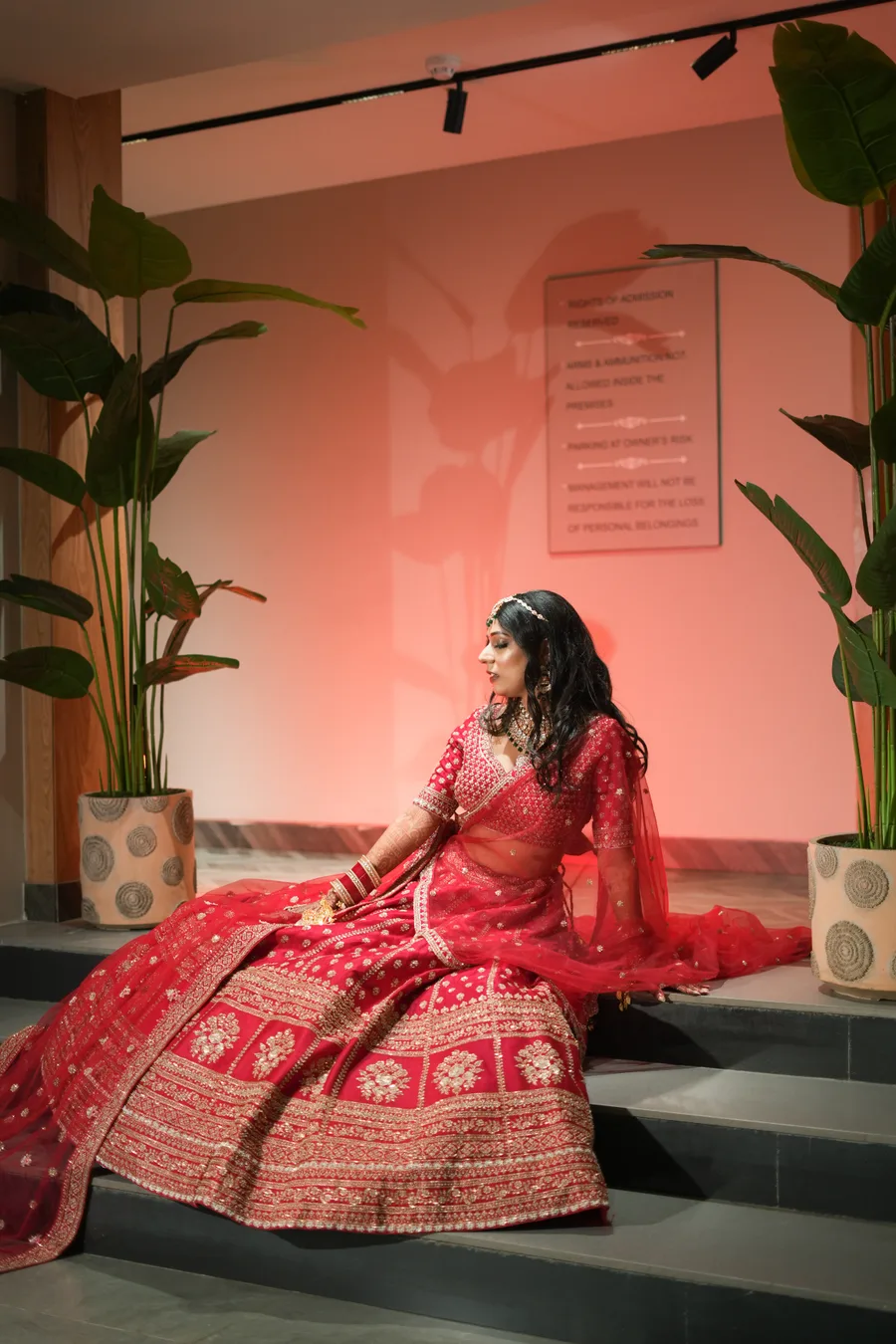
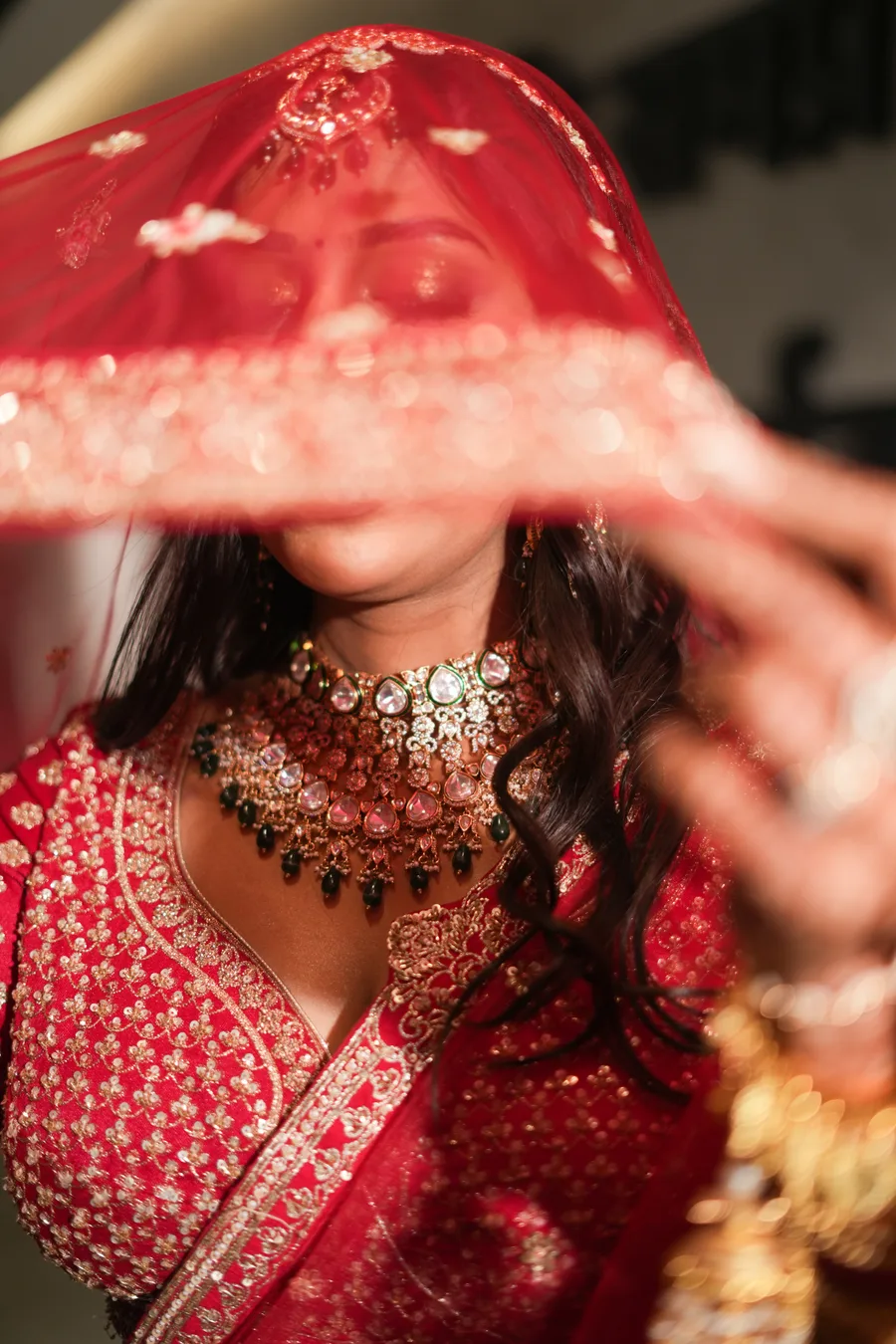
This expertise is particularly important if you're working with traditional Rajasthani attire in rich colours—deep reds, golds, jewel tones—which require precise exposure and colour handling to photograph beautifully without looking blown out or oversaturated. Your photographer should show you previous Jodhpur work that demonstrates confident handling of these technical challenges across different lighting conditions and outfit colours.
Seasonal timing and honest assessment of summer challenges
October to February is the safe window for Jodhpur weddings—temperatures are pleasant enough for guests and photographers, light is clear, and blue sky provides ideal backdrop. March and April begin heating up; by May-June, temperatures become extreme (often 45°C+), making outdoor celebrations genuinely uncomfortable for guests and challenging for photography. The monsoon period (July-September) brings some relief and occasional dramatic clouds, but also unpredictable weather.
A wedding photographer in Jodhpur will strongly recommend cool-season timing and be honest about summer shooting challenges. While technically possible to photograph in heat, it demands early morning ceremonies, siesta timing during peak heat, and late afternoon celebrations—a completely different rhythm from standard scheduling. Your photographer should help you understand these constraints and plan realistically rather than pretend summer desert timing won't create logistical difficulties. If you're planning a Jodhpur wedding and want a photographer who understands desert light, fort logistics, colour management, and how to translate Jodhpur's austere beauty into compelling imagery, we'd be delighted to explore your vision.