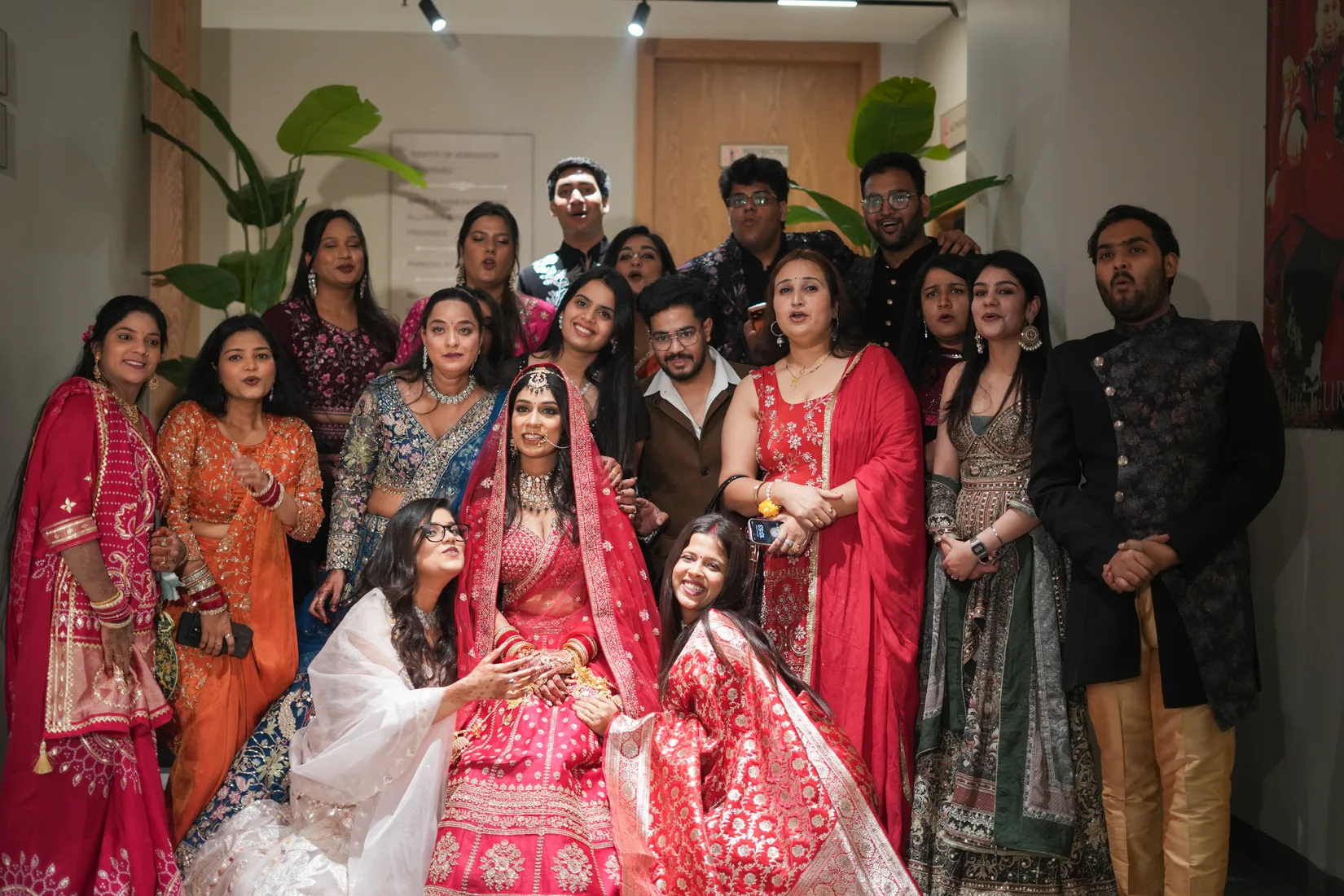
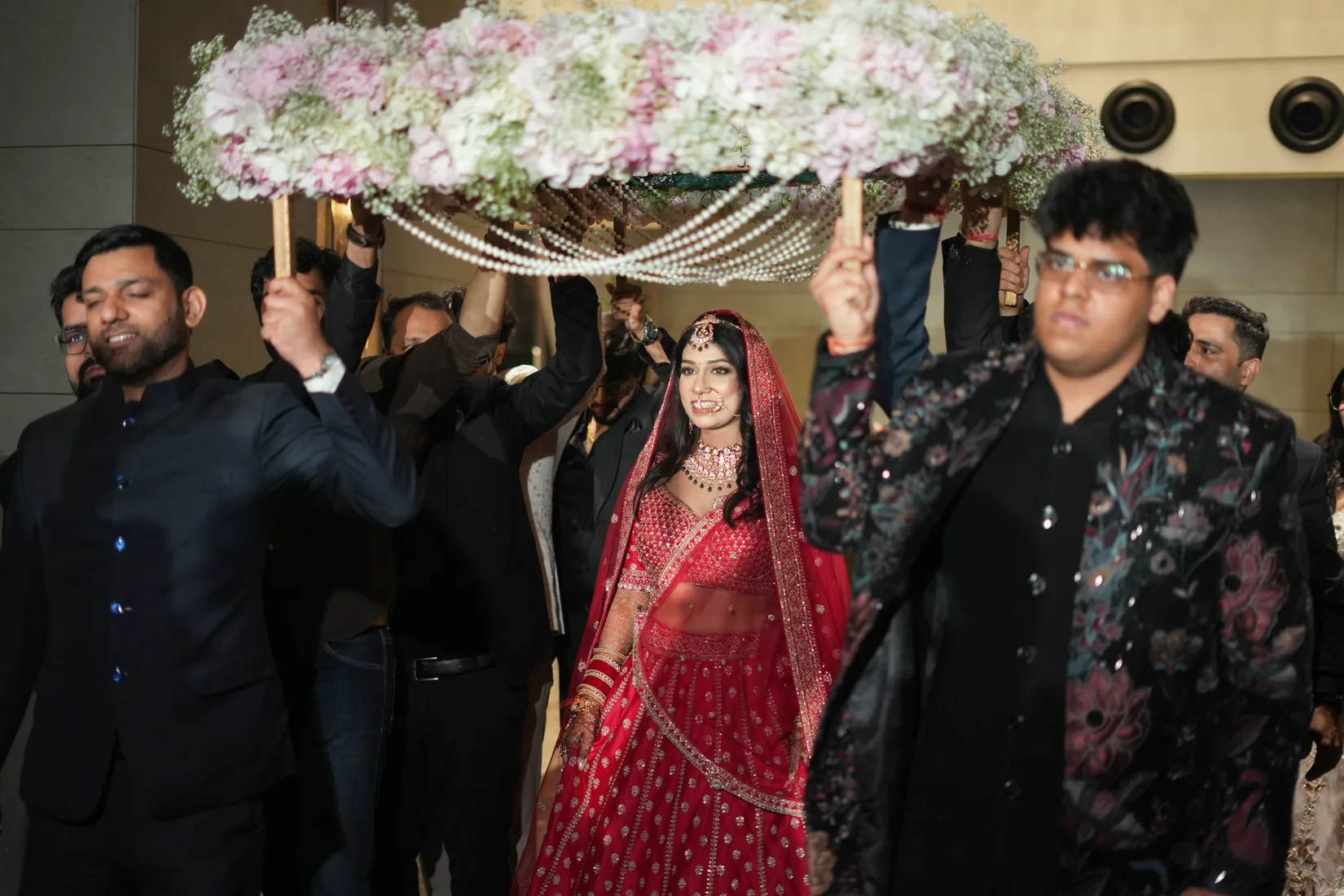
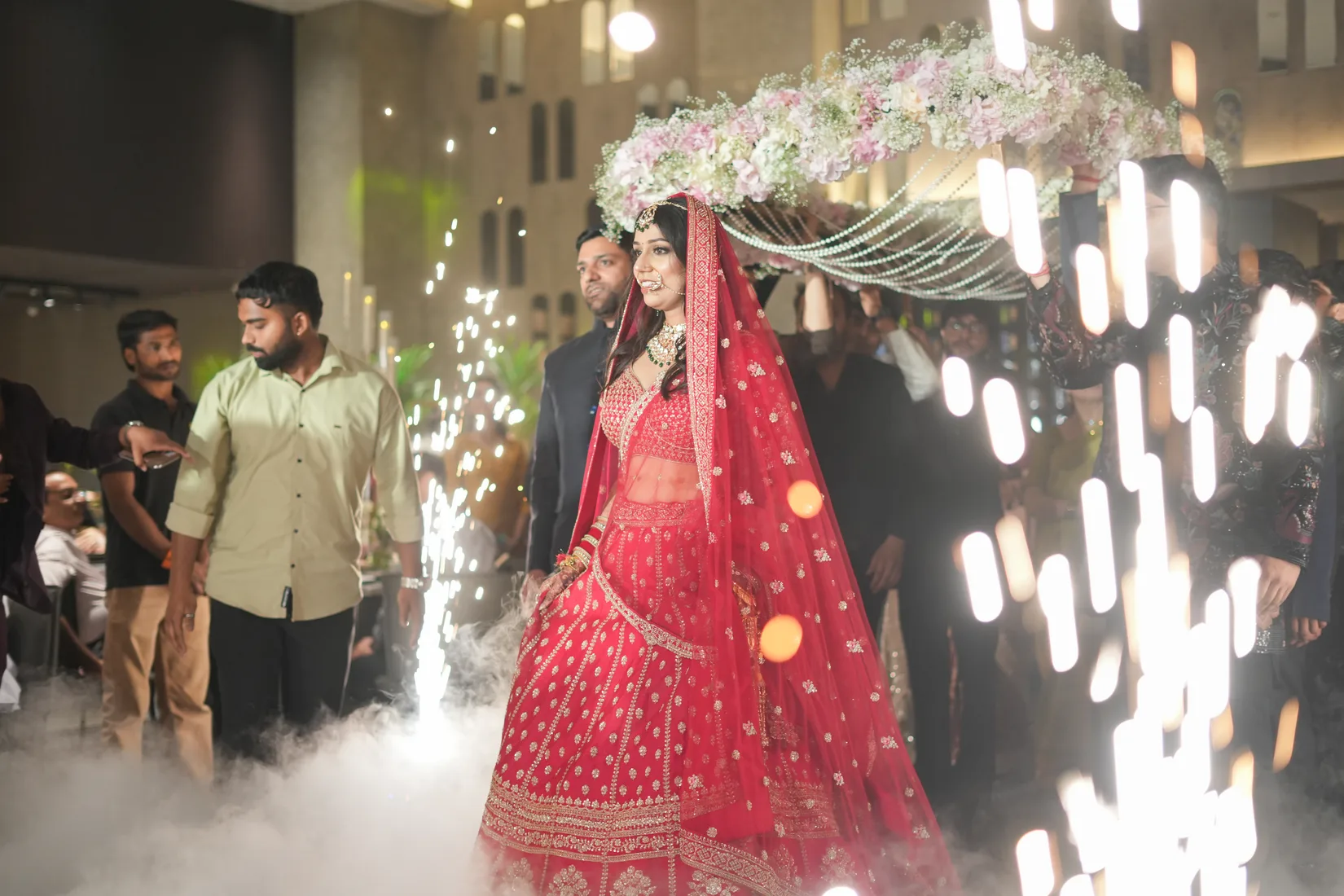
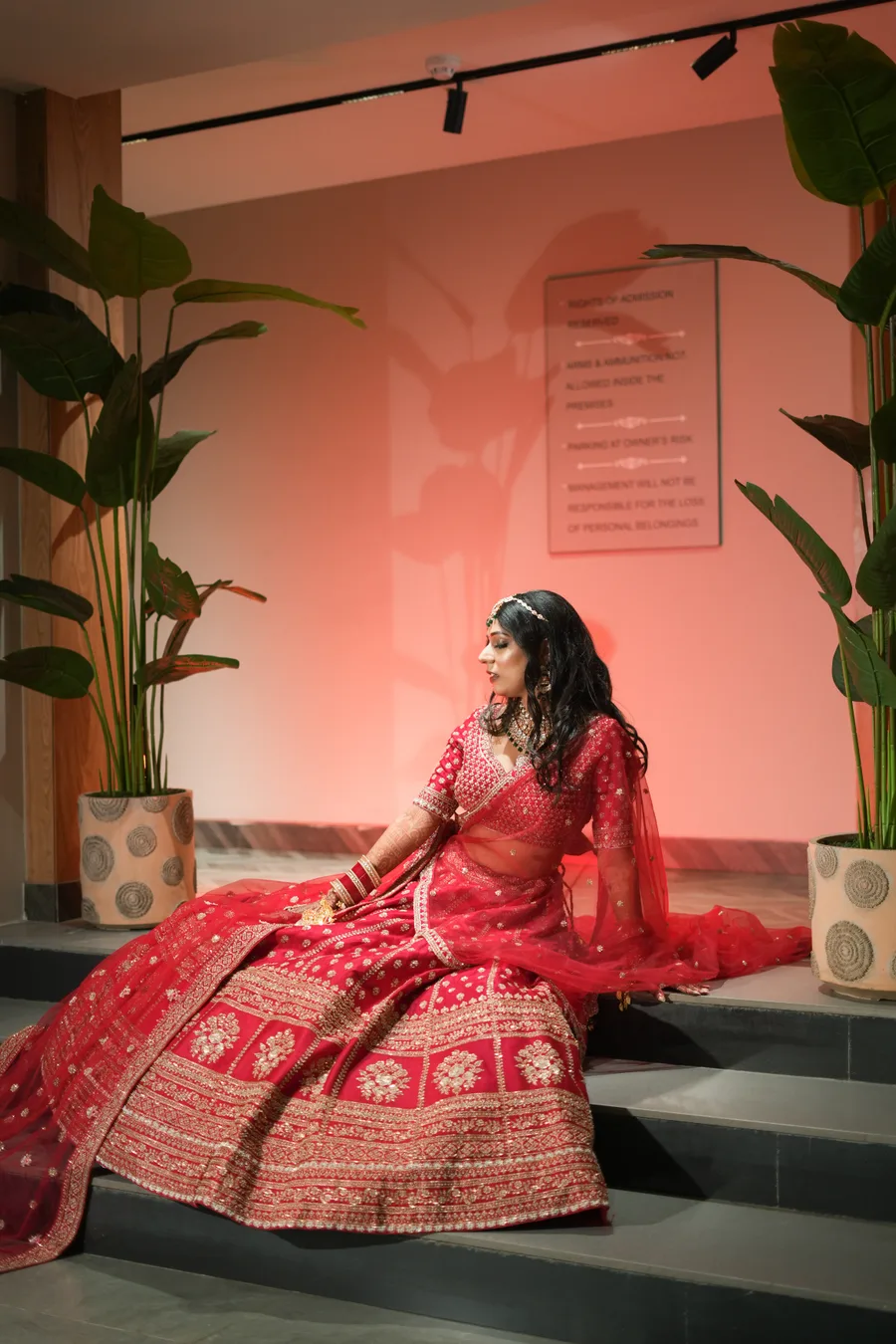
Mussoorie's misty mornings, ridge-top venues, and colonial charm create magical wedding backdrops, but hill-station photography demands expertise in changing light, altitude effects, and swift weather. Here's what to expect when photographing your wedding in Mussoorie.
Why Mussoorie Is Such a Coveted and Challenging Wedding Destination
A wedding photographer in Mussoorie enters a landscape that's genuinely dramatic: rolling hills disappearing into mist, ancient ridge-top forts and colonial buildings, gardens seeming transplanted from English countryside, and light changing minute-to-minute as clouds move through the valley. Couples choose Mussoorie for its natural grandeur and romance of the hills, meaning your photographer has stunning material to work with. The challenge is that Mussoorie's beauty is temperamental. The same mist creating moody, atmospheric photographs can obscure backgrounds entirely.
The ridge-top venues offering one-hundred-eighty-degree mountain vistas also expose you to mountain weather—fog, sudden cold, unpredictable rain. A wedding photographer in Mussoorie needs to understand how to work with light and weather conditions unique to high altitude, and know which times of day reliably offer clear views versus which times are usually shrouded in cloud. This isn't negative; it's essential knowledge separating competent hill-station photography from amateur results.
Understanding Mussoorie's Light Patterns and Seasonal Realities
Mussoorie sits at two thousand metres elevation, fundamentally changing how light behaves. The sun rises and sets at different angles than sea level, and thin air creates particular light quality: colours appear more saturated, skin tones need careful white balance, shadows have sharper edges. Mornings often bring mist from the valley below, typically clearing by late morning, only to return as evening approaches. Understanding these patterns is crucial for planning your day's timeline. The ideal photography seasons are March–May (spring, clear skies, blooming flowers) and September–November (autumn, crisp air, reliable visibility). July and August bring monsoon rains and heavy cloud cover creating moody photographs but demanding careful planning and backup locations.
A wedding photographer familiar with Mussoorie will advise you on the best months and help plan shot sequences accounting for predictable weather patterns. This advice prevents disappointment and ensures you're not fighting conditions unnecessarily. Your photographer should visit your specific venue weeks before understanding natural light patterns, identifying best ceremony positions, confirming permission for photography in certain areas, and establishing local staff relationships.
Venue-Specific Challenges and Weather Contingency Planning
Popular Mussoorie venues—heritage hotels, ridge-top banquet spaces, colonial mansions—each present distinct photography challenges and opportunities. A heritage hotel's dark wood interiors require different lighting than open-air garden ceremonies. A ridge-top venue offers extraordinary backdrops but can be windy and cold, affecting both comfort and technical camera settings (wind causes shake, cold drains batteries faster). Locating sheltered spaces for weather backup, planning how guests move between areas, and understanding actual geography versus site plans matters enormously.
Mountain weather is unpredictable even in good seasons. Clear morning light can vanish by afternoon; rain can pass in twenty minutes or linger for hours. Your photographer needs multiple shot sequences: a primary list assuming clear skies, a contingency list for overcast conditions, and backup locations in case your primary venue becomes unusable. A wedding photographer in Mussoorie with multiple hill-station weddings has experience moving guests to covered areas quickly, finding alternative backdrops within grounds, and adjusting timing when weather shifts. They'll know that even if outdoor ceremony photography is compromised, the hotel's interior courtyard offers beautiful diffused light during mist.
Technical Mastery of Mountain Light, Altitude Effects, and Timing Precision
The intensity of mountain light at altitude requires experienced exposure metering. Images can easily blow out (overexpose) if not carefully managed, or appear dim if underexposed to prevent highlight burnout. Skin tones need especially precise white balance; cool high-altitude light casts unpleasant colour casts if not corrected. Atmospheric effects change photography: dust particles in sunlight create visible rays (beautiful but requiring careful composition), mist affects background rendering (distant mountains disappear), and low mountain sun angles create stronger shadows than plains photography.
A photographer experienced with Mussoorie uses these variables to enhance images rather than allowing them to compromise quality. They'll adjust camera settings for altitude, use graduated filters balancing exposures when sky is bright, and position you where light flatters rather than works against. Logistics in hill stations differ from plains weddings. Travel between venues takes longer due to roads and elevation. Weather windows are narrower—you might have strong light for thirty minutes before mist rolls in. Your photographer and planner coordinate precisely to ensure key moments happen during best light, with buffer time if conditions shift.
Experience and Preparation Make the Difference in Mussoorie Photography
A photographer based in Delhi or Bangalore can certainly photograph a Mussoorie wedding, but experience with mountain venues and light makes an enormous difference. Ask potential photographers about previous Mussoorie weddings in their portfolio, how they've handled weather challenges, and what their contingency approach looks like. Look for evidence of technical competence in tricky light conditions and consistency across venues. Local or hill-station-experienced photographers often have relationships with Mussoorie venues, know local vendors, and anticipate logistical challenges unfamiliar photographers might miss.
They understand which roads might be closed seasonally, where to source reliable local assistants, and how altitude affects not just light but also guest comfort and timing. These factors influence how they approach photographing your day. Many Mussoorie weddings build in bride-groom couple shoots during golden hour, which in hill stations can be exceptionally beautiful—the whole valley glows in warm light, mist turns golden, and light quality is unmatched. Timing this around reception schedule requires planning two to three weeks prior. Your photographer should propose an optimal timeline based on season and venue. Photographing a wedding in Mussoorie combines hill-station weather and light challenges with stunning natural backdrop rewards. If you're planning a Mussoorie wedding and want a photographer understanding mountain photography and the hills' particular character, we'd be delighted discussing your vision and bringing it to life in that magical landscape.