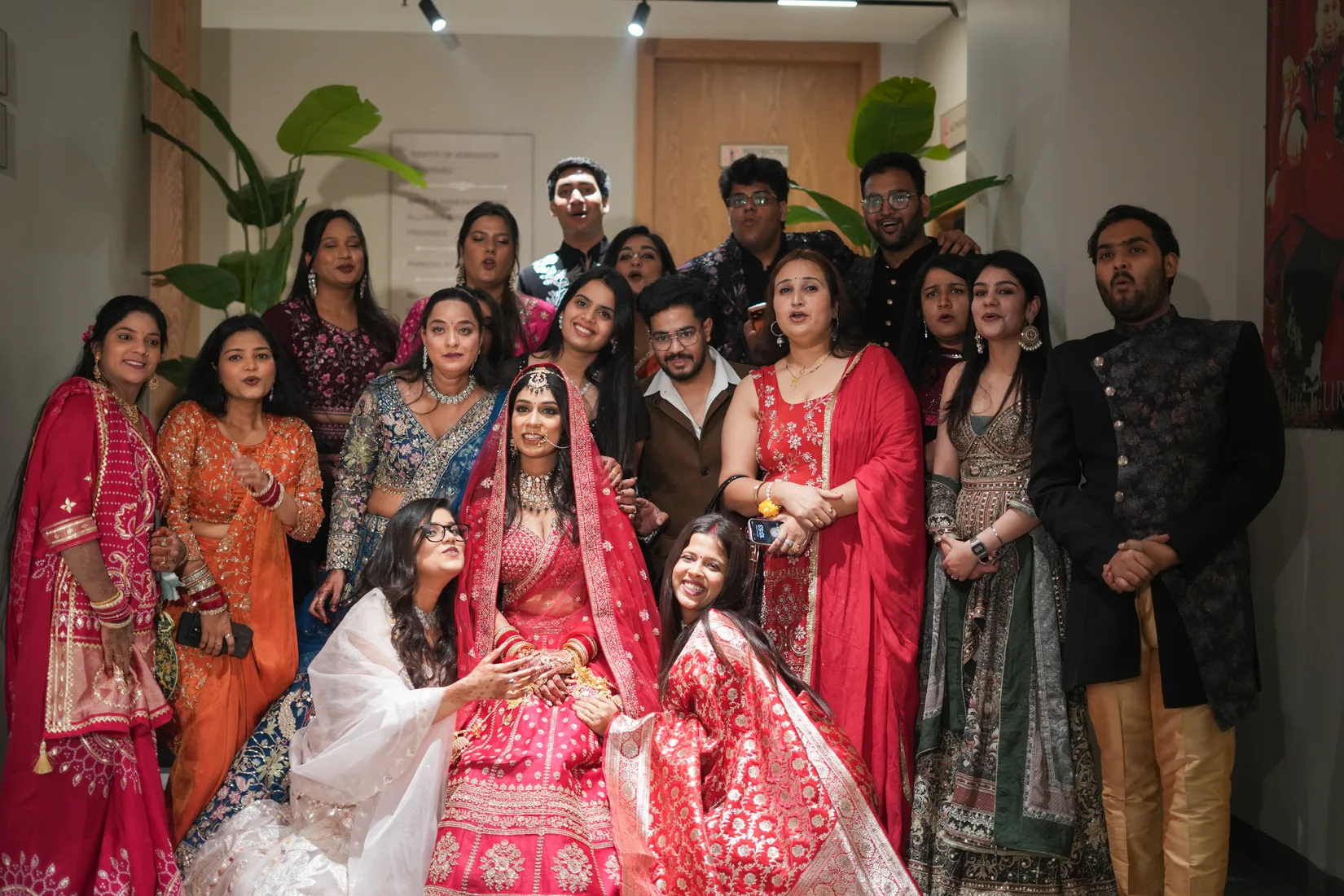
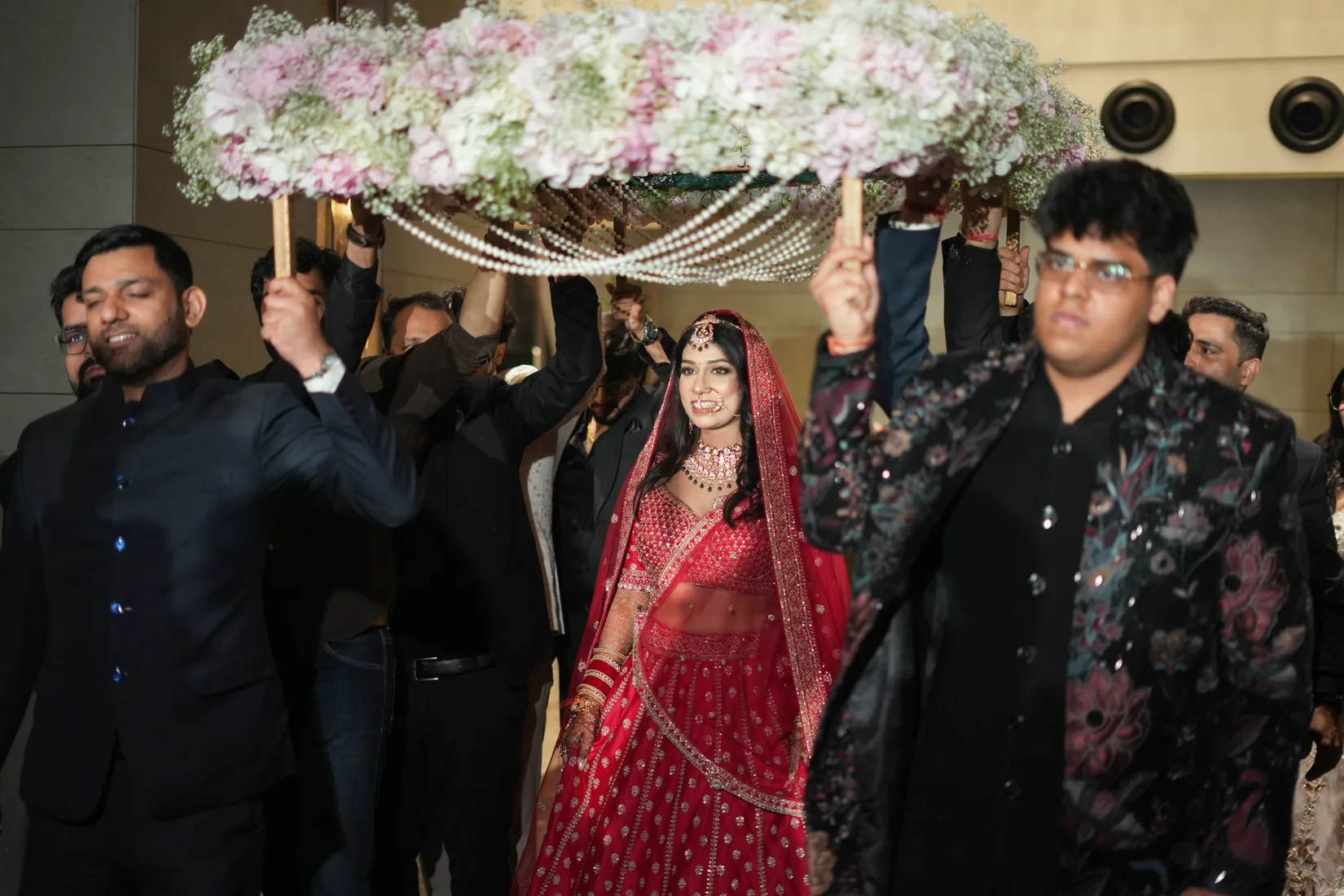
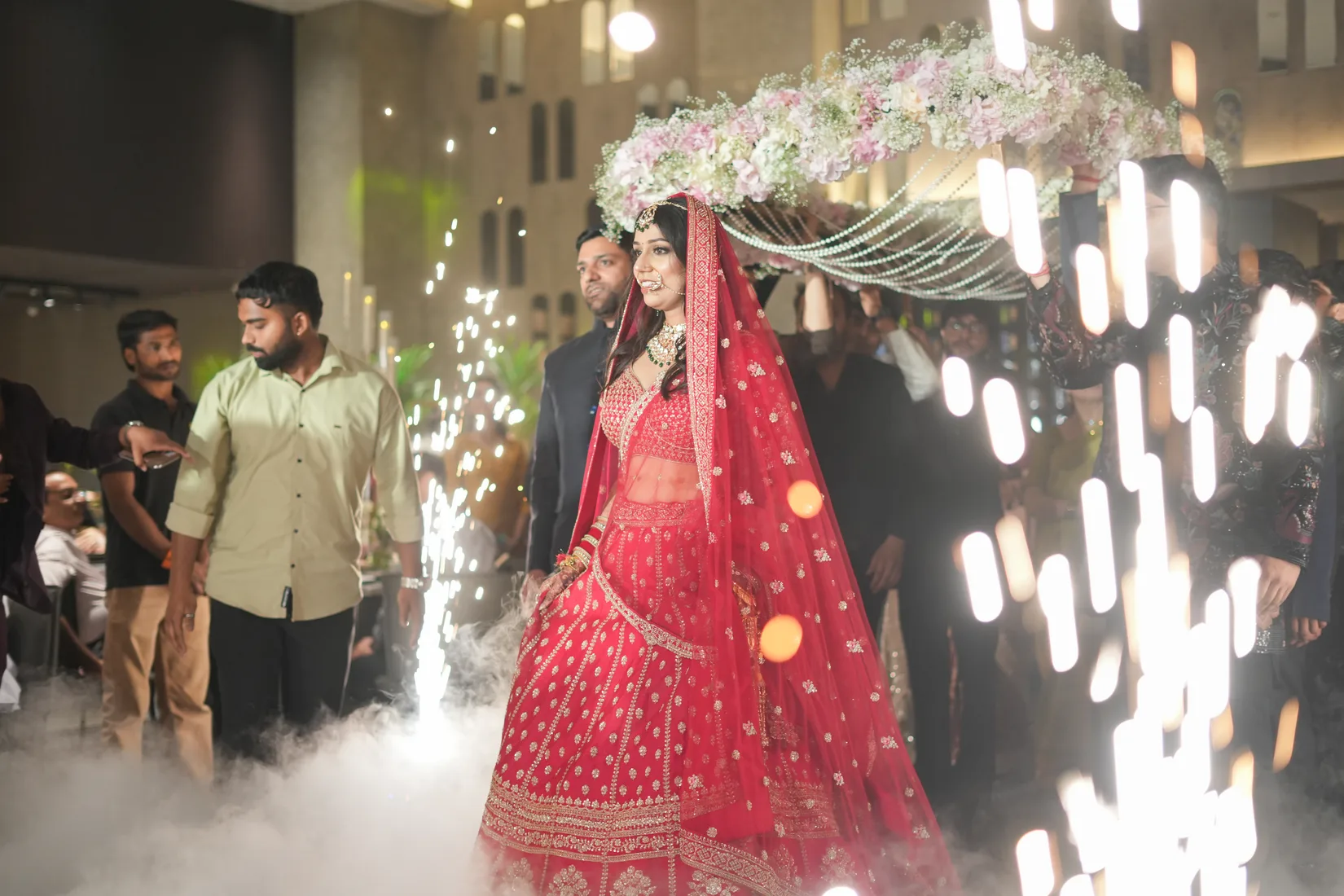
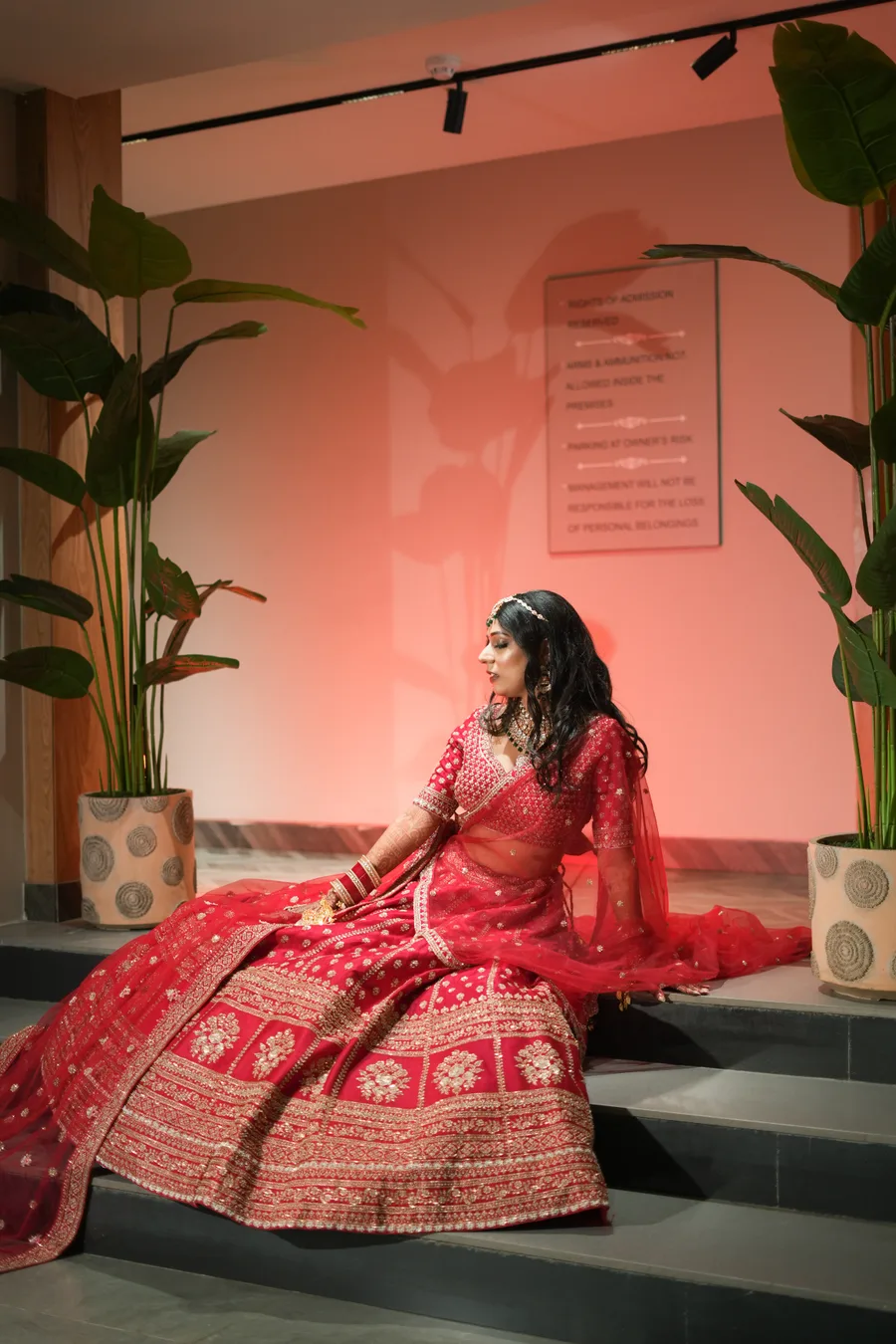
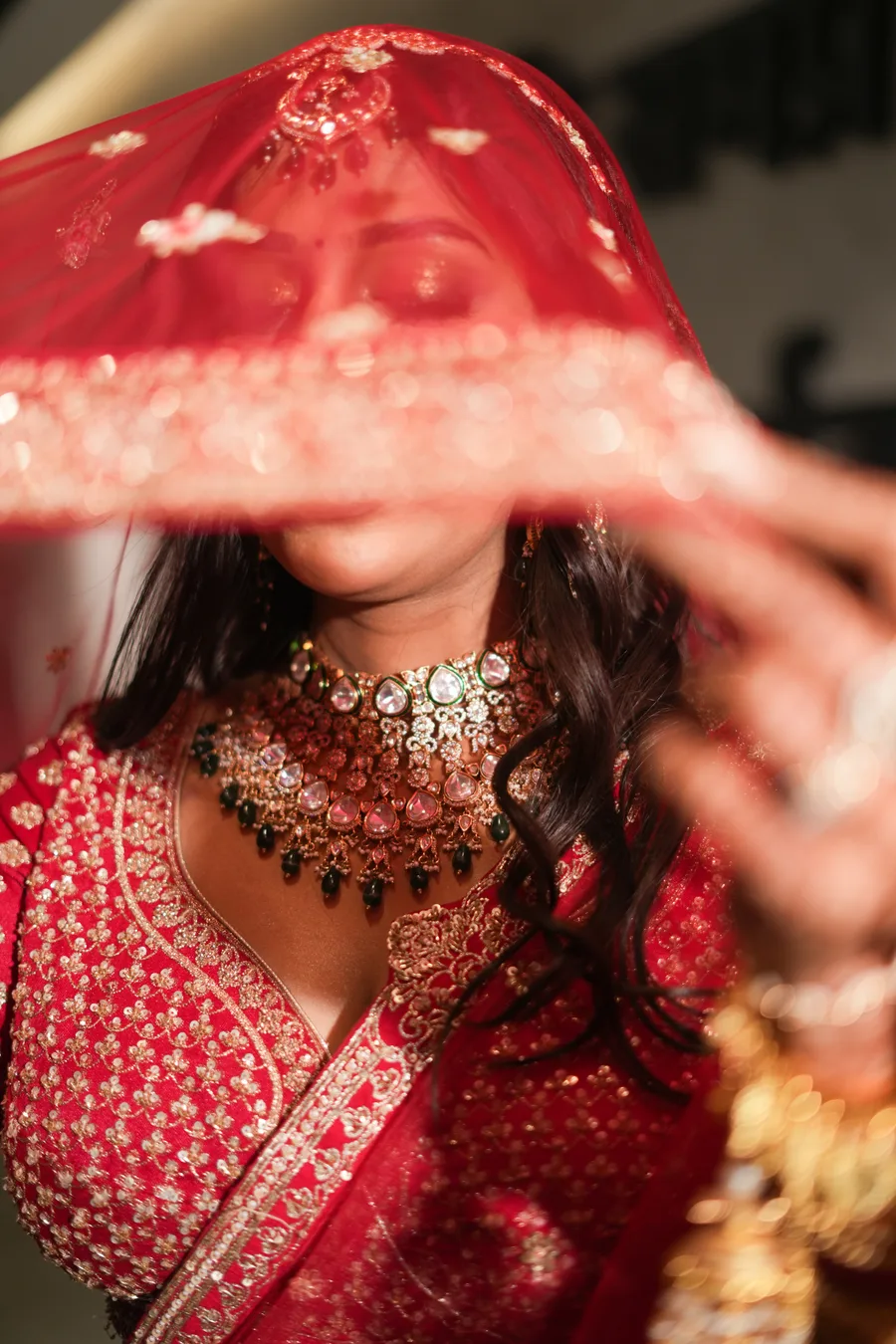
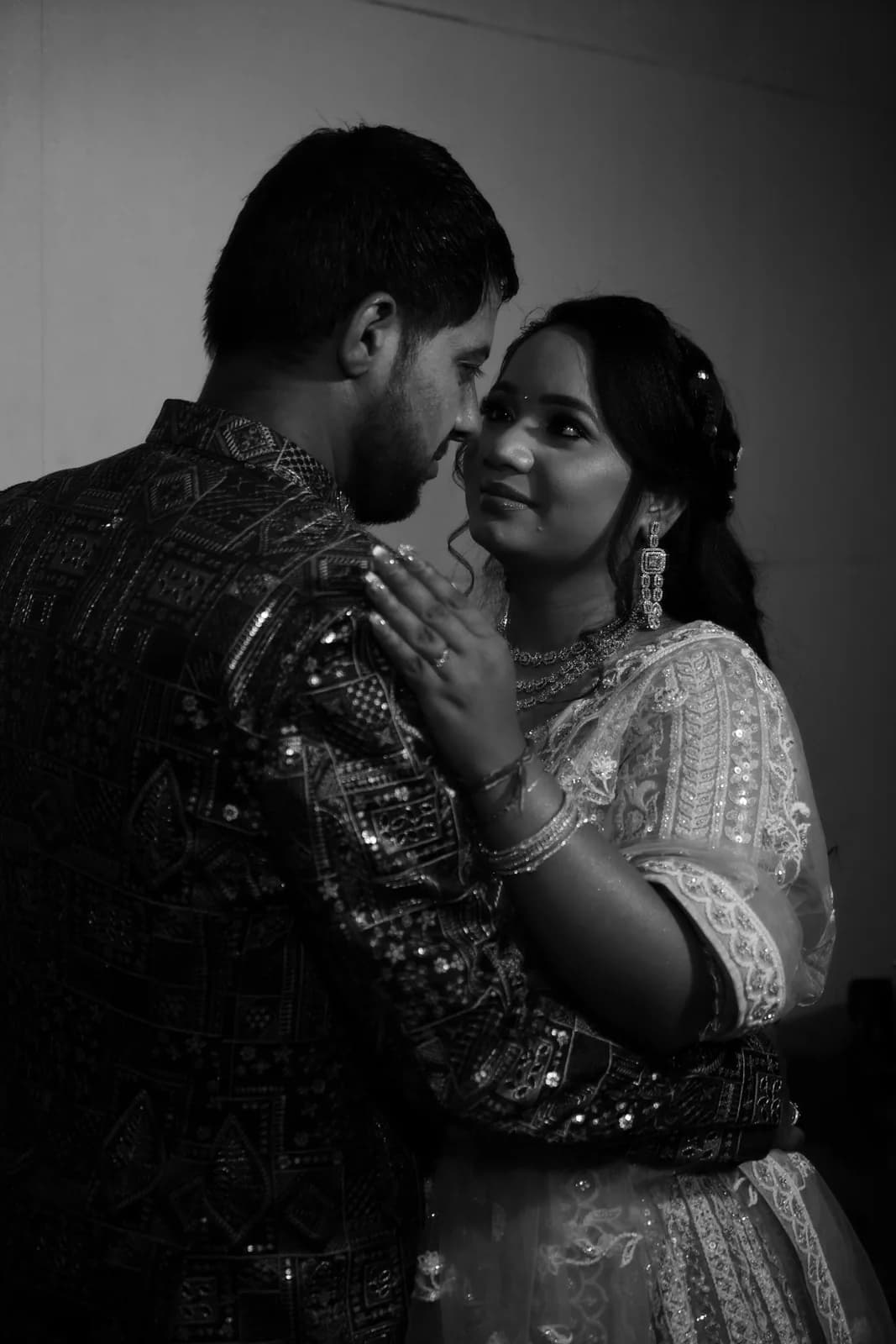
Pushkar's spiritual energy, desert landscape, and vibrant markets offer one-of-a-kind wedding storytelling. Discover what makes an experienced wedding photographer in Pushkar invaluable for capturing authentic celebrations in this sacred Rajasthani town.
Pushkar's spiritual context and authentic photographic approach
A wedding photographer in Pushkar works within a uniquely spiritual context—the town is sacred to Hindus as the site of Brahma Temple and draws pilgrims and spiritual seekers year-round. This doesn't mean your wedding must be religious; rather, it means the landscape and atmosphere carry spiritual resonance that shapes how imagery feels. Pushkar attracts couples specifically seeking alternative, unconventional celebration styles that blend the sacred with the celebratory, tradition with modern sensibilities. A photographer attuned to Pushkar understands this cultural nuance and captures imagery that honours the town's spiritual identity without either trivialising it or being overly reverent to the point of feeling stiff.
The town sits on the edge of the Thar Desert, with the sacred lake at its centre and pilgrimage temples creating visual focal points. Pushkar's aesthetic is distinctly bohemian—it attracts artists, seekers, and unconventional souls, and weddings here often reflect this character. Colourful markets, traditional Rajasthani dress, camels, spiritual rituals, and the camel fair create visual richness and narrative depth that distinguishes Pushkar weddings from more conventional celebrations. Your photographer should embrace these elements authentically rather than treating them as exotic backdrop.
Brahma Temple and lake-centred sacred ceremony photography
Brahma Temple and the ghats surrounding Pushkar Lake provide iconic imagery—pilgrims bathing, sacred rituals, temples reflected in water at dawn, evening ceremonies lit by oil lamps. However, sacred spaces demand respectful photography: your photographer should understand which areas permit photography, how to work without disturbing spiritual rituals or other pilgrims, and how to capture reverence without treating spirituality as just visual interest. Some temples restrict photography in certain areas, and your photographer should be informed about these restrictions and work within them respectfully.
Venues overlooking the lake, such as heritage hotels or guesthouses with rooftop spaces, offer water-based backdrops combined with temple architecture. Early morning photography, when light is golden and mist rises from the lake, captures the spiritual quality of Pushkar most beautifully. Evening ceremonies overlooking the lake, lit by temple lights and sunset, create profoundly atmospheric imagery. Your photographer should understand how light interacts with water at different times of day and plan couple shoots around these specific windows.
Market imagery and desert landscape authenticity
Pushkar's markets—colourful fabric stalls, jewellery vendors, camel sellers—offer visual richness for pre-wedding shoots, and the Camel Fair (held November-December) creates extraordinary photographic context if your timing aligns. However, markets are crowded, vendors may object to photography, and authentically capturing market life requires sensitivity and respect. Your photographer should understand how to work respectfully within market spaces, get permission when needed, and capture genuine activity rather than staged 'exotic' moments that feel inauthentic.
The desert landscape surrounding Pushkar—sand dunes, open vistas, camels grazing—provides dramatic couple shoot opportunities. However, these require physical comfort with desert environments and realistic assessment of temperature, hydration, and outfit functionality. A photographer experienced with Pushkar's desert shoots will suggest realistic timing, help you understand physical demands, and know which dune locations photograph best with what light. Some couples genuinely love the adventure and visual drama; others prefer controlled venue-based shoots with subtle Pushkar character.
Camel Fair season and extraordinary crowd-based photography
If your wedding aligns with Pushkar Camel Fair (typically October-November), you gain extraordinary photographic material—thousands of camels, pilgrims in traditional dress, colourful chaos, spiritual energy. However, fair timing also means crowds, logistics challenges, and competing demands for space and attention. Your photographer should be experienced with fair-season shooting: how to work within crowds, capture genuine fair moments alongside your wedding, and avoid creating images that feel chaotic or overwhelming.
Pre-fair season (September-October) offers Pushkar's spiritual character without fair-season crowds. Post-fair (December-January) provides clear, cold light and peaceful atmosphere. Your photographer should help you understand what each season delivers visually and logistically, allowing you to choose based on whether you want fair-centred celebration energy or quieter spiritual intimacy.
Spiritual and unconventional ritual documentation
Pushkar attracts couples interested in unconventional ceremonies—spiritual rituals, henna nights with performers, bonfires, meditation-based celebrations alongside traditional rituals. A photographer working in Pushkar should be comfortable documenting diverse spiritual and cultural practices respectfully, understanding that your celebration might blend multiple traditions or include elements outside standard wedding formats. They should be genuinely interested in these elements rather than viewing them as quirky or needing to be toned down for conventional aesthetic.
This also means your photographer should understand the difference between documenting genuine spiritual practice and photographing spirituality in ways that feel performative or exoticised. Authenticity matters when you're celebrating in a sacred space; your photographer's respectful approach directly impacts how your images feel in retrospect. A photographer who has built their practice around Pushkar weddings will naturally navigate these nuances with integrity.
Colour mastery and seasonal timing in sacred landscape
Pushkar's visual identity is intensely colourful—jewel-toned fabrics, traditional Rajasthani dress, gold jewellery, indigo, reds, golds—creates a distinct colour palette that requires sophisticated photographic handling. Overexposure can blow out bright fabrics; underexposure can crush detail in shadows and jewellery. White balance can shift dramatically in different light (temple interiors versus lake ghats versus desert), requiring constant adjustment. A photographer attuned to Pushkar's aesthetic knows how to render these colours beautifully without oversaturation.
Weather-wise, Pushkar follows Rajasthan's patterns—cool and clear October-February (optimal for weddings), hot March-May, potentially stormy monsoon June-September. Your photographer should help you choose timing and understand seasonal light quality implications. Early morning shoots capture the most magical Pushkar light; midday heat makes outdoor work uncomfortable; evening offers spiritual, temple-lit atmosphere. If you're planning a Pushkar wedding and want a photographer who understands the town's spiritual depth, colour and texture authenticity, desert light, and how to capture unconventional celebrations with genuine respect and artistry, we'd be delighted to explore your vision and discuss how to translate Pushkar's distinctive character into images that feel true to both the place and your unique celebration.