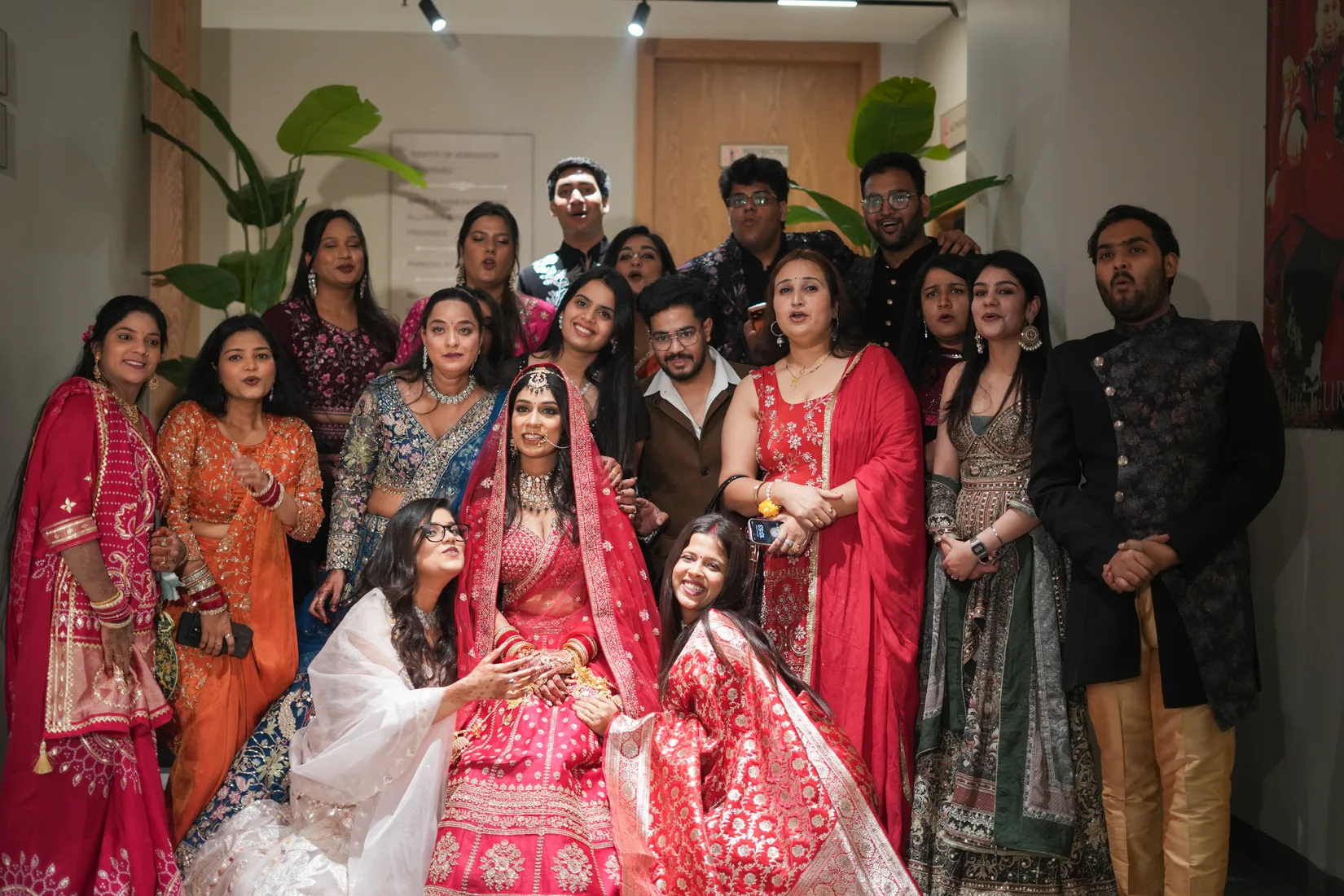
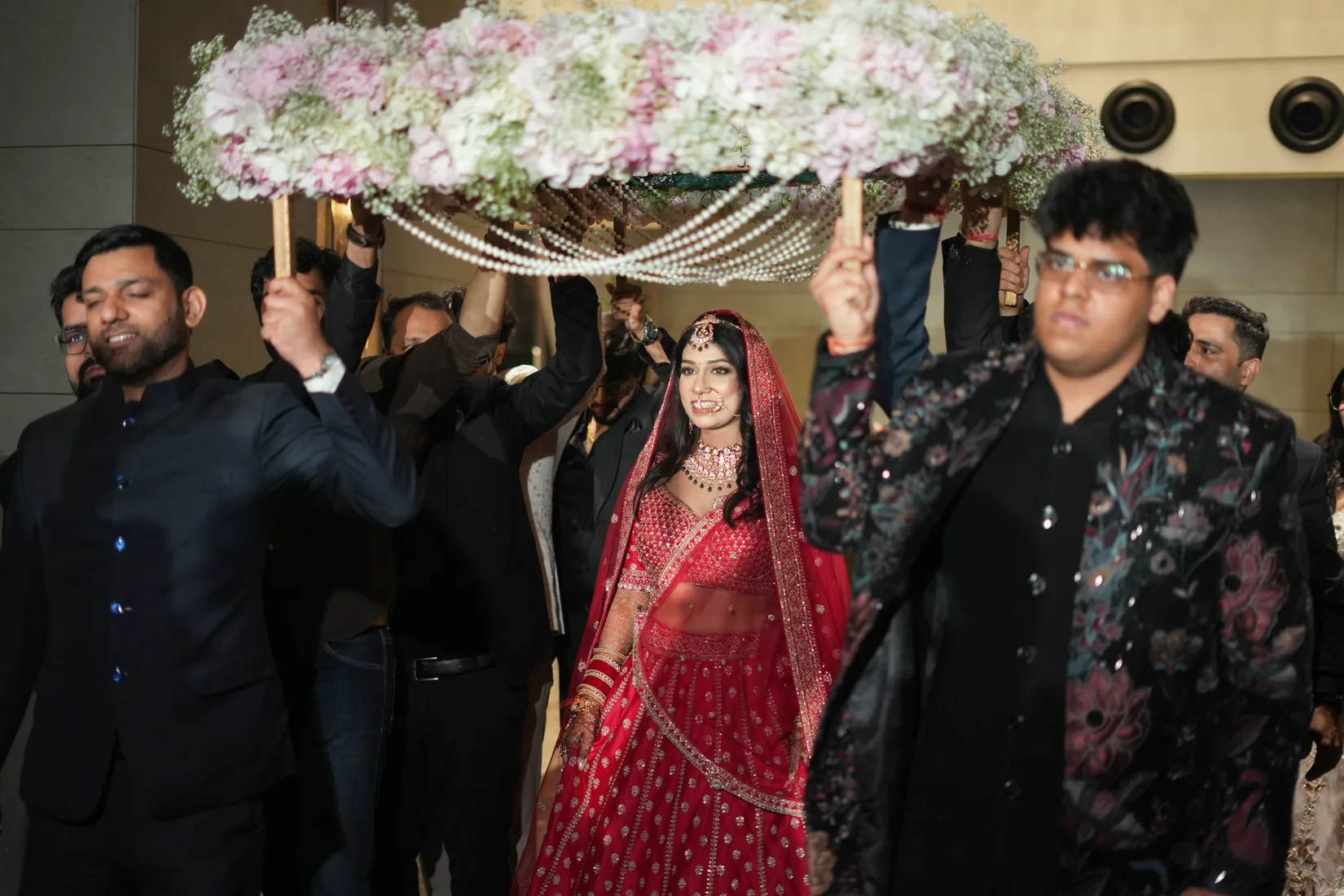
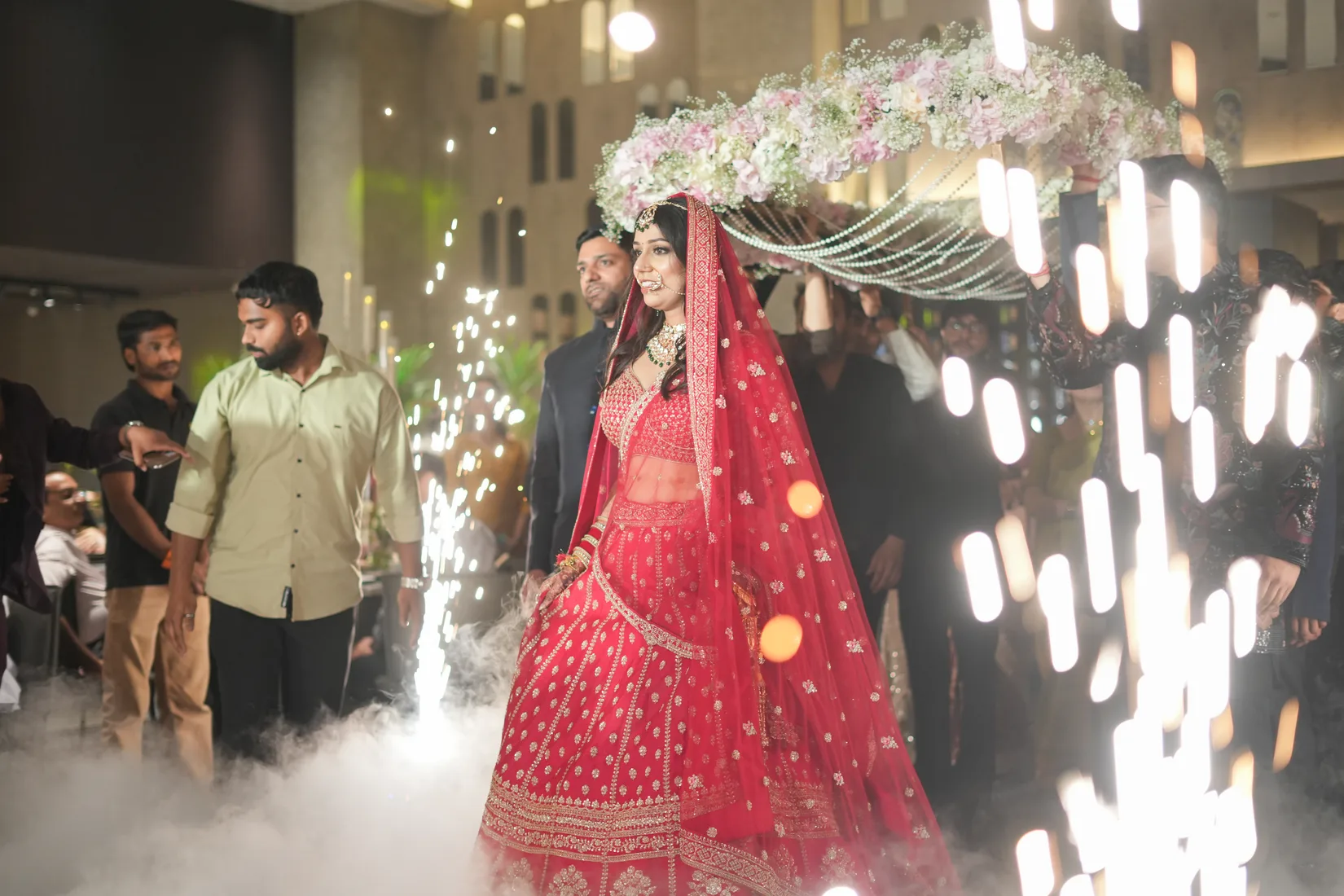
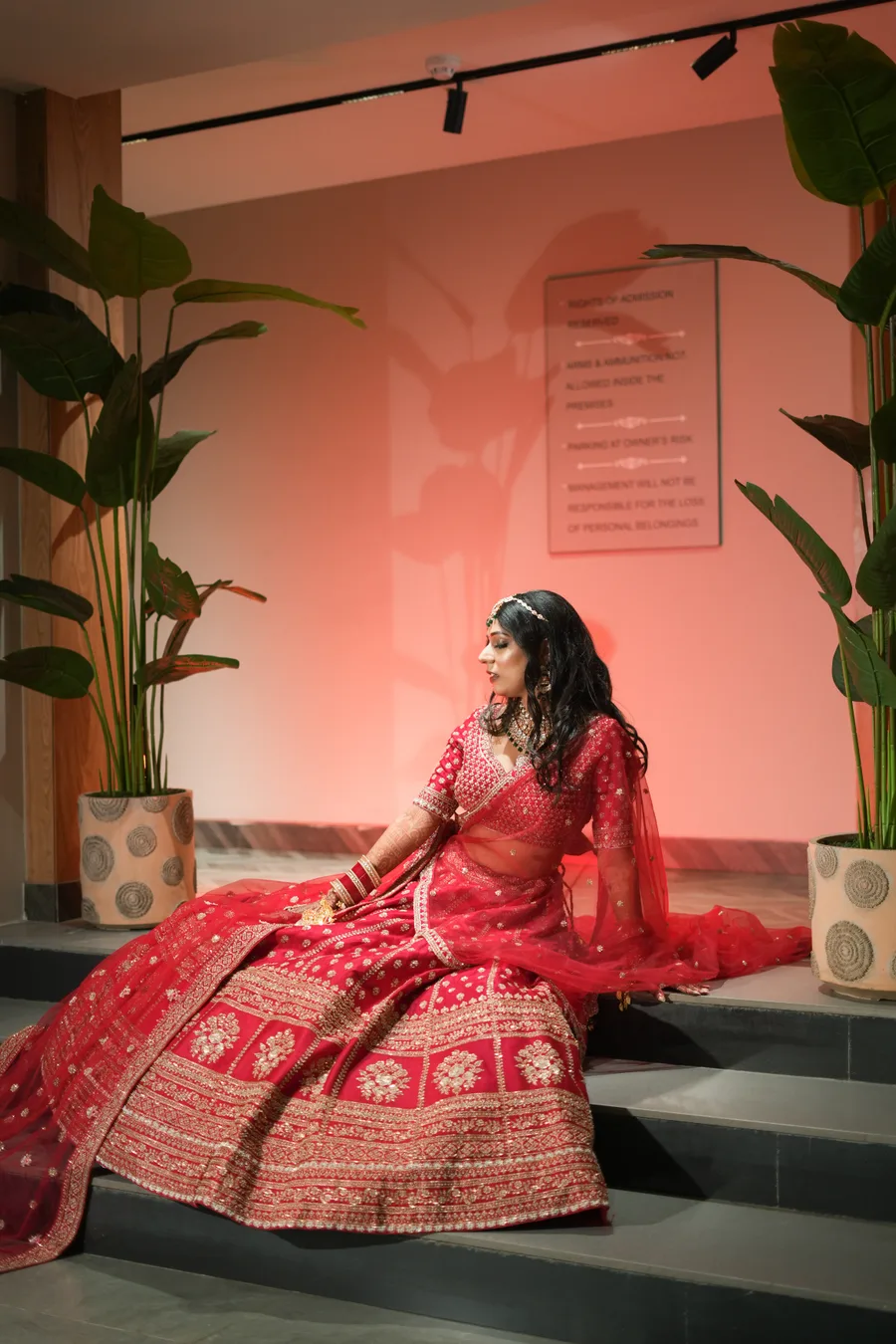
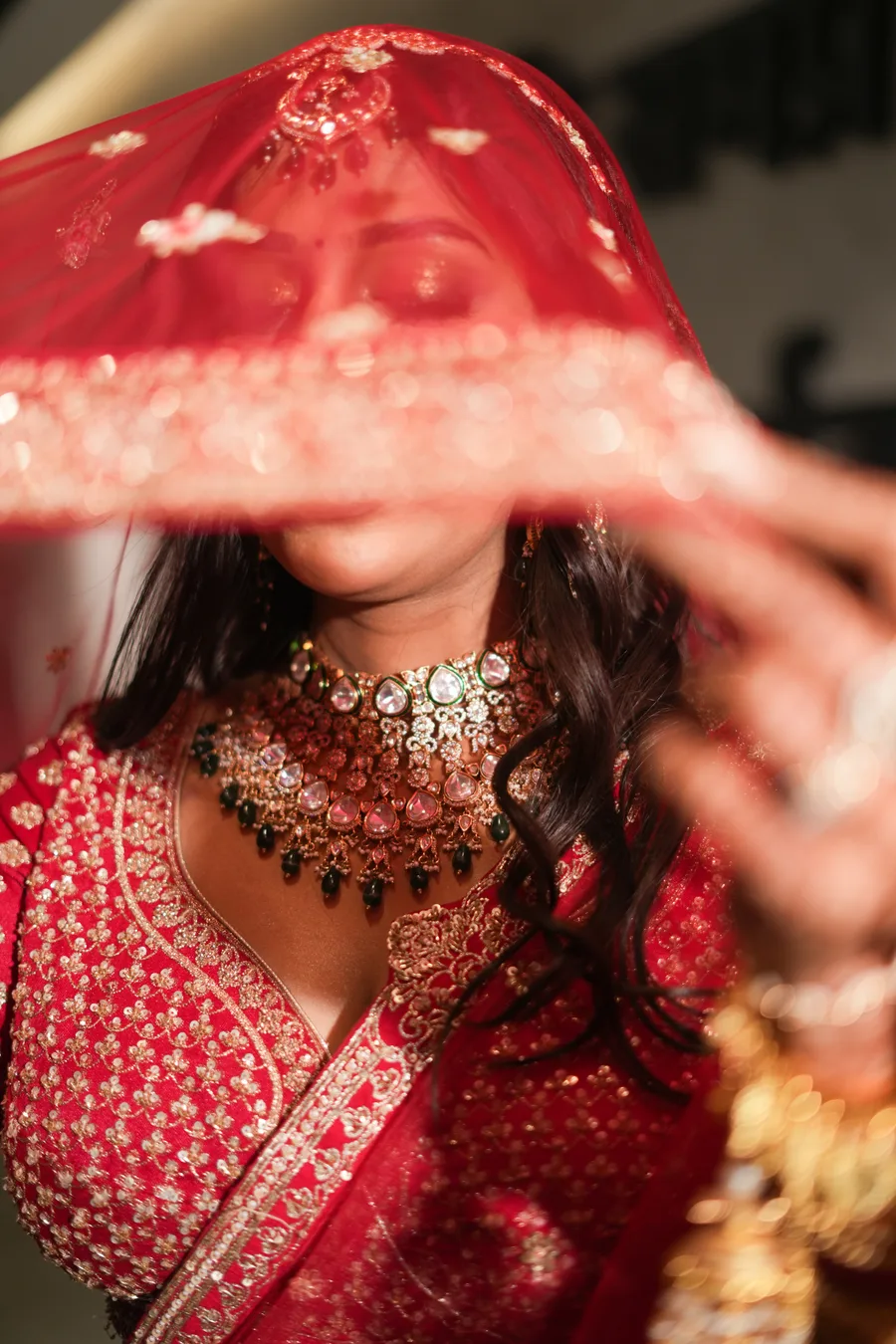
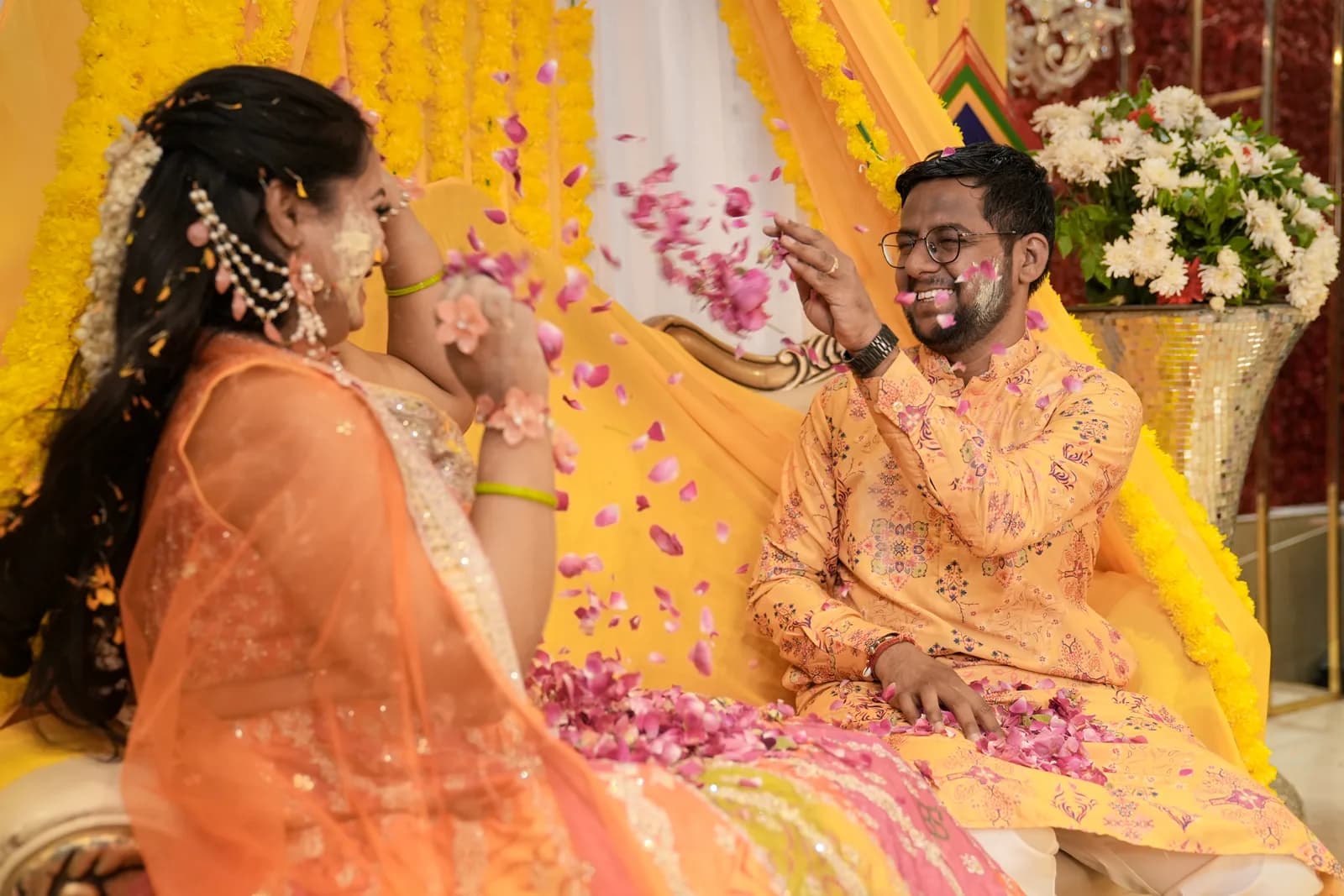
Shimla's colonial charm and snow-capped vistas create unforgettable wedding backdrops. Find a skilled wedding photographer in Shimla who knows the best light, seasons, and hidden spots to capture your mountain romance authentically.
Why a specialist wedding photographer in Shimla transforms mountain moments
Shimla is not simply a postcard backdrop—it's a complex visual environment that rewards photographers who understand mountain light, seasonal changes, and the interplay between colonial architecture and natural landscape. A wedding photographer in Shimla needs more than a camera; they need intimate knowledge of how mist rolls across the ridges at dawn, how afternoon shadows transform the Ridge, and which venues truly photograph well versus which look better in person. The city sits at 2,158 metres altitude, creating unique atmospheric conditions that affect colour saturation, shadow depth, and the overall mood of your images.
Many couples choose Shimla expecting endless sunshine and clear mountain vistas, only to encounter frequent cloud cover that arrives without warning. This is not a setback if your photographer knows how to work with Shimla's naturally diffused light, which is actually ideal for bridal portraiture and intimate moments. However, it demands someone local who checks weather patterns, understands seasonal microclimates, and can pivot locations or timing when clouds obscure a planned shoot.
Understanding Shimla's seasons and how they shape your photography
Winter weddings (November through February) attract couples dreaming of snow-dusted ceremonies, but this requires realistic expectations. Snow is never guaranteed in Shimla proper; it's more reliable at higher altitude venues outside the city. A photographer who has shot winter weddings here knows which venues are most likely to have snow on the ground, how to expose correctly for bright white snow without losing detail, and how to keep equipment functioning in cold temperatures. The golden light in winter is glorious but brief—often just an hour or two around mid-morning—so timing your couple shoot accordingly becomes critical.
Summer (April to June) brings clearer skies, fuller green foliage, and reliable daylight, making it the safest choice for predictable photography conditions. Monsoon season (July to September) introduces grey skies, reduced visibility, and occasional heavy rainfall that can disrupt ceremonies or outdoor shoots. Spring and autumn offer a middle ground with reasonable weather, fewer tourists crowding the Ridge, and softer atmospheric light that flatters faces and traditional attire alike.
Popular Shimla venues and their unique photographic demands
The Ridge is Shimla's most iconic public space, with sweeping views of distant Himalayan ranges and the town sprawling below. However, it's perpetually busy with tourists and visitors, especially during peak season. If you're planning couple shots here, you'll need a photographer willing to wake early, work quickly, and know exactly which angles capture the best light while minimising crowds. The light here is extremely bright and often harsh at midday, so morning or late afternoon becomes essential for flattering exposures.
Christ Church and surrounding colonial-era buildings provide elegant architectural backdrops with period character that photographs beautifully in softer light. Weddings held at heritage hotels like Wildflower Hall or luxury resorts benefit from manicured gardens and controlled lighting environments. However, many heritage venues have restrictions on where photographers can position themselves or limitations on flash use indoors, so your photographer should scout thoroughly and discuss logistics with management beforehand.
Pre-wedding shoot locations beyond the obvious tourist trails
Beyond the Ridge viewpoints, Shimla hides quieter, more intimate locations that create distinctive pre-wedding imagery. The Kalka–Shimla railway track offers heritage charm, especially where it winds through forested sections—a photographer familiar with Shimla knows the safe spots to work along the line and the best times to avoid crowds and trains. Kufri, just outside Shimla, provides open meadows, cedar forests, and occasionally horse-related activities that add narrative texture to pre-wedding shoots without the tourist crowds.
Tattapani, a lesser-known gorge area to the north, offers dramatic canyon walls and rushing water that provide moody, contrasty backdrops—perfect for couples wanting something edgier than the standard mountain romance aesthetic. Your photographer should know these spots intimately, including parking logistics, whether permissions are needed, seasonal accessibility, and how light behaves in these microclimates at different times of day.
Why local Shimla photographers bring continuity and weather wisdom
A photographer based in Shimla brings invaluable continuity if you're planning multi-day celebrations or events happening across different venues in and around the city. They can provide on-call flexibility if weather forces changes, coordinate with local vendors who might have preferences about photography styles, and offer post-event location recommendations without needing reconnaissance beforehand. They understand which local staff at venues are helpful, where to find good food during long shooting days, and how to manage logistics smoothly when weather or crowds become challenging.
When choosing your photographer, ask specifically about their winter or monsoon wedding experience—this reveals whether they've genuinely shot in Shimla's varied conditions or if they're visiting seasonally. Request a portfolio of images shot across different seasons and months at actual Shimla venues where your wedding will happen. A photographer who has genuinely built their craft in Shimla will show you work across the full spectrum of light and weather you might encounter.
Planning realistic timelines and mountain logistics
Shimla's mountain location means travel times are longer than in cities on flat terrain. Your photographer may need an extra hour to reach venues outside the central town, especially if roads are wet or icy. Build buffer time into your wedding day schedule—if your photographer needs to move between ceremony and reception venues, factor in 45 to 90 minutes of travel time depending on location. This isn't laziness; it's realistic mountain geography that deserves respect in your timeline.
If you're bringing photographers from Delhi or other cities, arrange accommodation well in advance, as Shimla fills up quickly during peak wedding season. A local photographer is already based here and familiar with monsoon access issues, road conditions during winter, and the best routes to venues. When discussing rates, understand that Shimla-based photographers may charge differently than Delhi professionals, reflecting local realities and their specialised environmental knowledge. If you'd like to explore how a photographer with deep Shimla expertise can capture your mountain wedding authentically, we'd be delighted to discuss your vision and logistics.