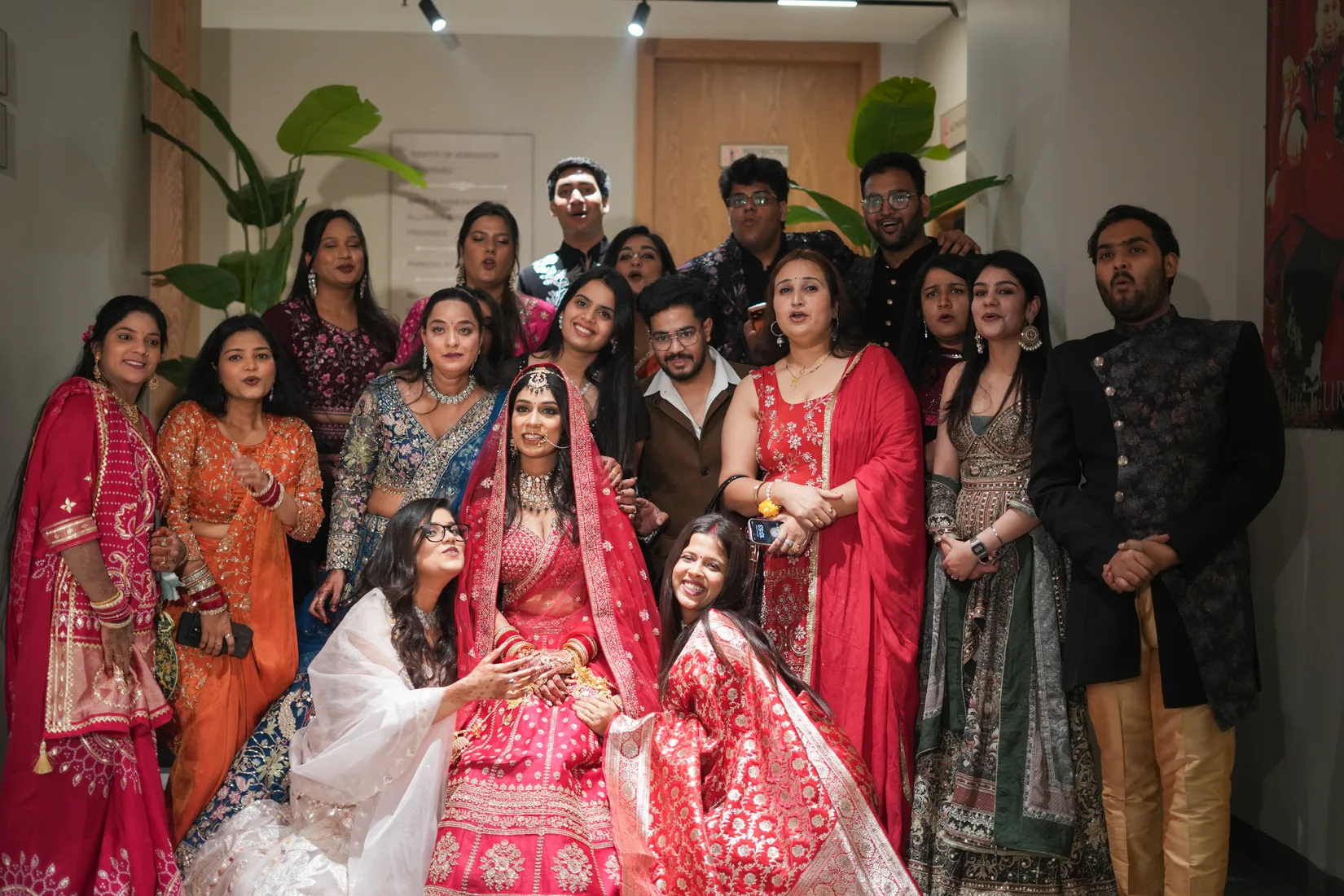
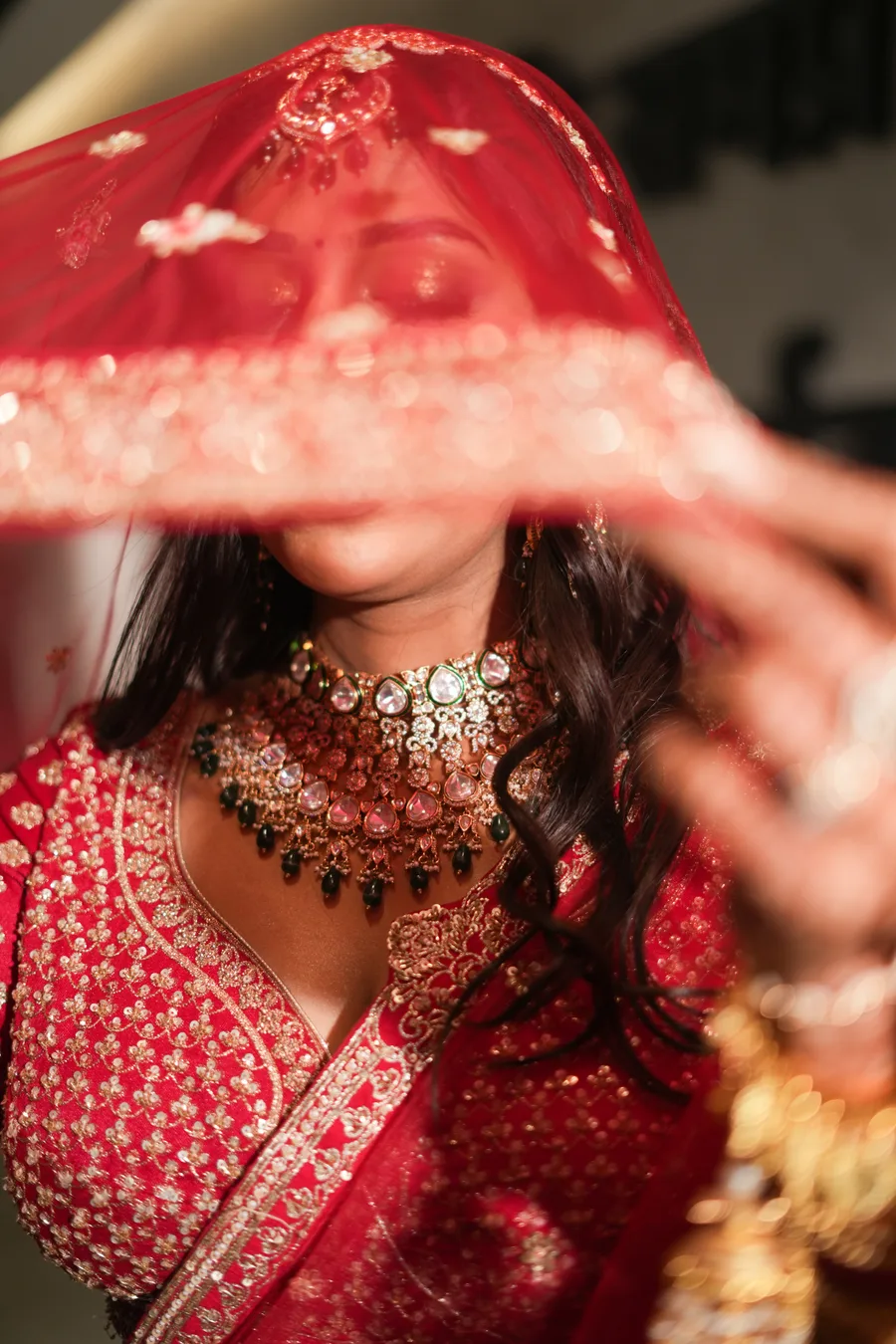
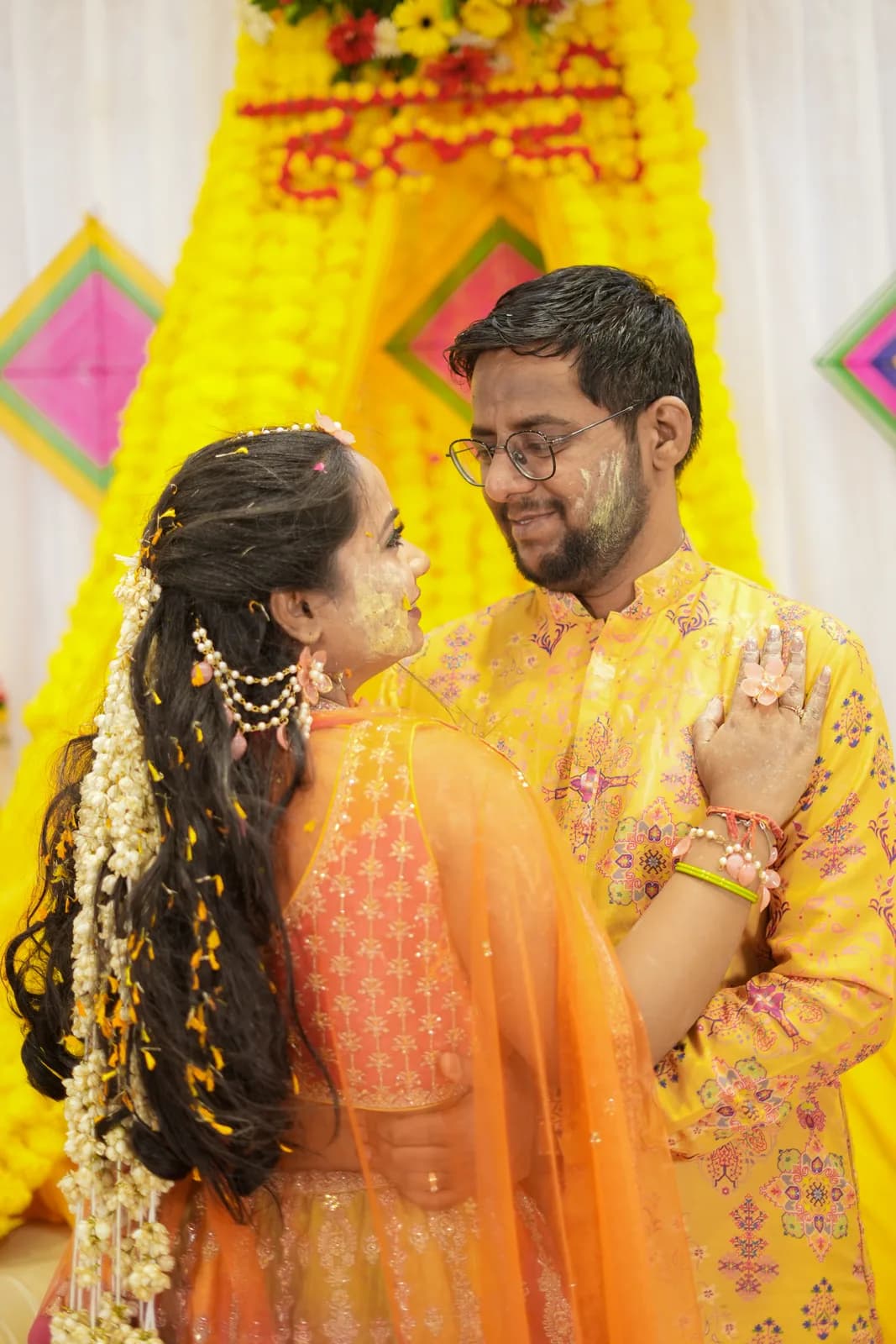
The reception is where celebration peaks – grand entrances, toasts, dances, and intimate moments among hundreds of guests. Making wedding reception photography count means capturing grandeur alongside genuine emotion. It's the biggest party of your wedding week.
Why the Reception Deserves Your Full Photography Coverage
The reception is often the climax of a wedding week – the moment when separate families officially come together, when timelines relax into celebration, and when focus shifts from rituals to revelry. It's also the event most attended by extended family and friends, which means the scale and energy are unlike any other evening. For many guests, the reception is their first chance to celebrate the couple without ceremony formality, and that shift in tone creates rich storytelling opportunities.
Wedding reception photography requires a different mindset than ceremony coverage or candid celebration events. You're managing multiple simultaneous narratives: the choreographed grand entrance and first dances, structured moments like cake cutting and toasts, ambient energy of hundreds eating and talking, and intimate moments between the couple. A photographer who excels at receptions understands how to weave these threads together into a cohesive narrative that captures both spectacle and tenderness.
The Grand Entrance: Planning and Choreography for the Camera
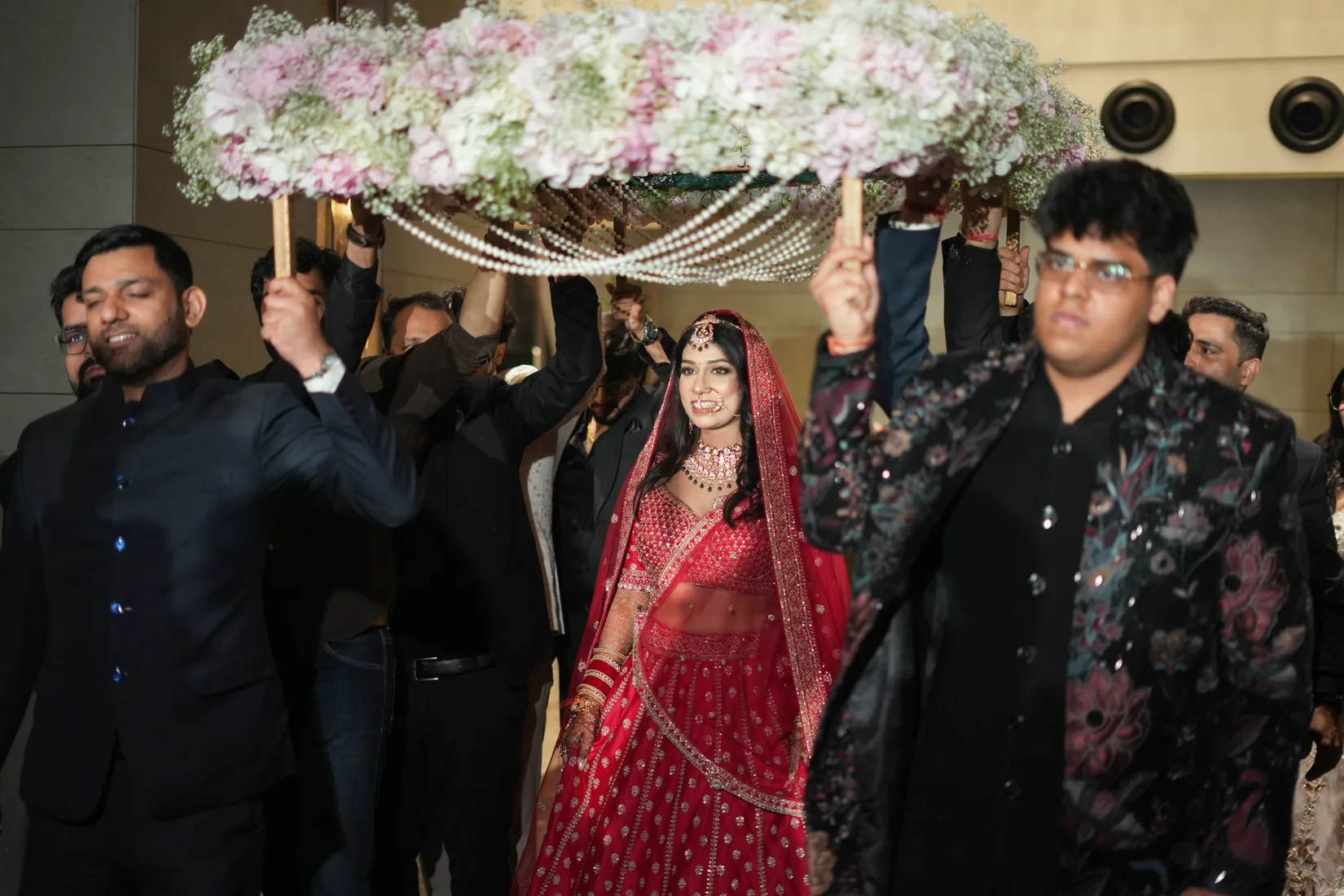
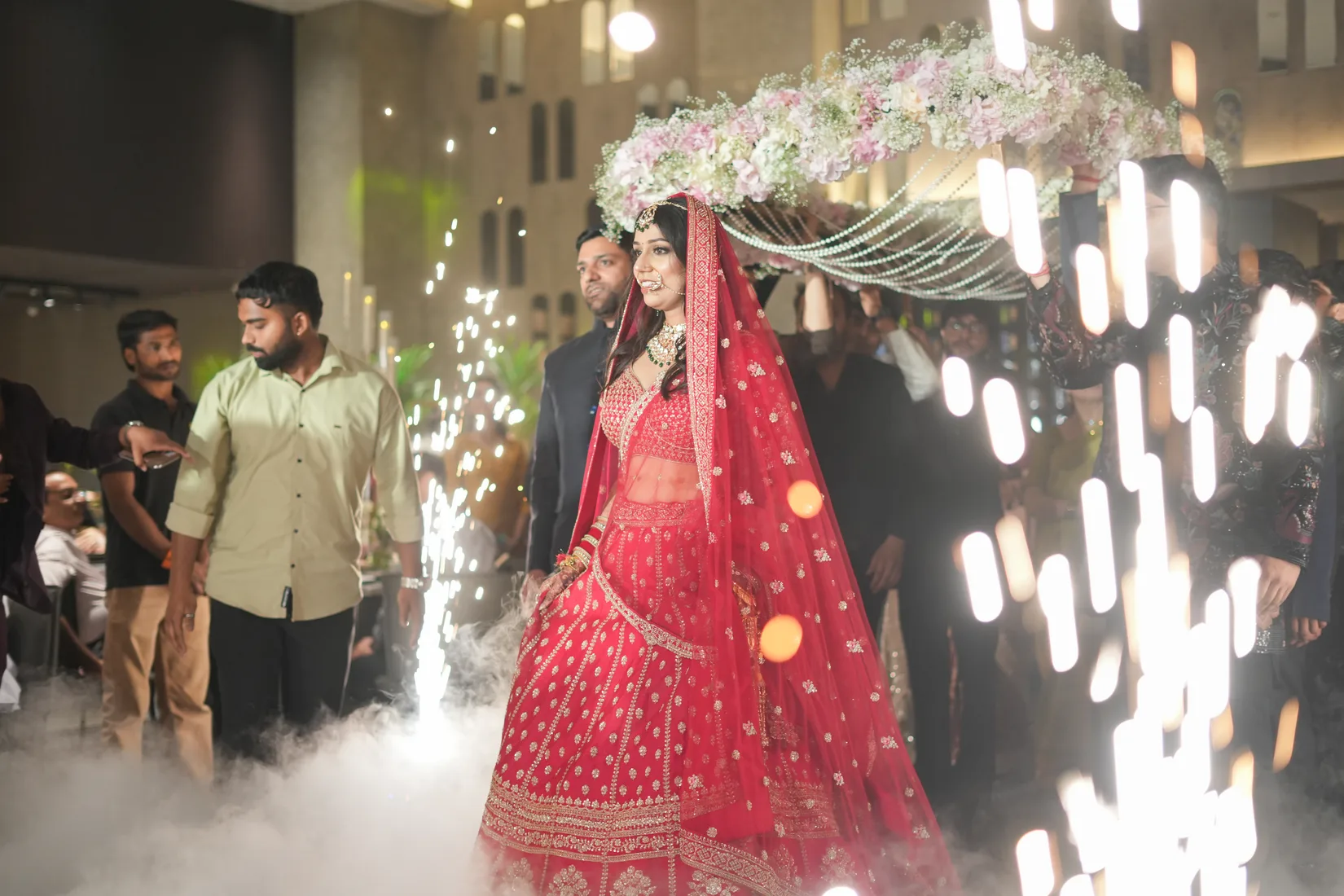
The moment the bride and groom enter the reception hall for the first time sets the tone for everything that follows. This entrance is often the most anticipated moment – guests crane their necks, music swells, and the couple's first public appearance as married people deserves flawless execution. Yet grand entrances are notoriously difficult to photograph because they involve movement, crowd management, complex lighting, and pressure to get it right in one shot.
Work with your venue and photographer to plan the entrance carefully. What will the music be? Will you walk slowly or make a dramatic dash? Will you be announced? Will there be special effects like confetti, sparklers, or fog? Understanding these details helps your photographer position themselves strategically and anticipate the moment visually. Most experienced reception photographers scout the space beforehand to identify the best angle – typically where they can see both your faces clearly and capture guest reactions. If your venue allows, your photographer might shoot from an elevated position to show the scale of the gathering and your entrance into it.
Capturing Colour, Decor, and the Visual Feast of the Venue
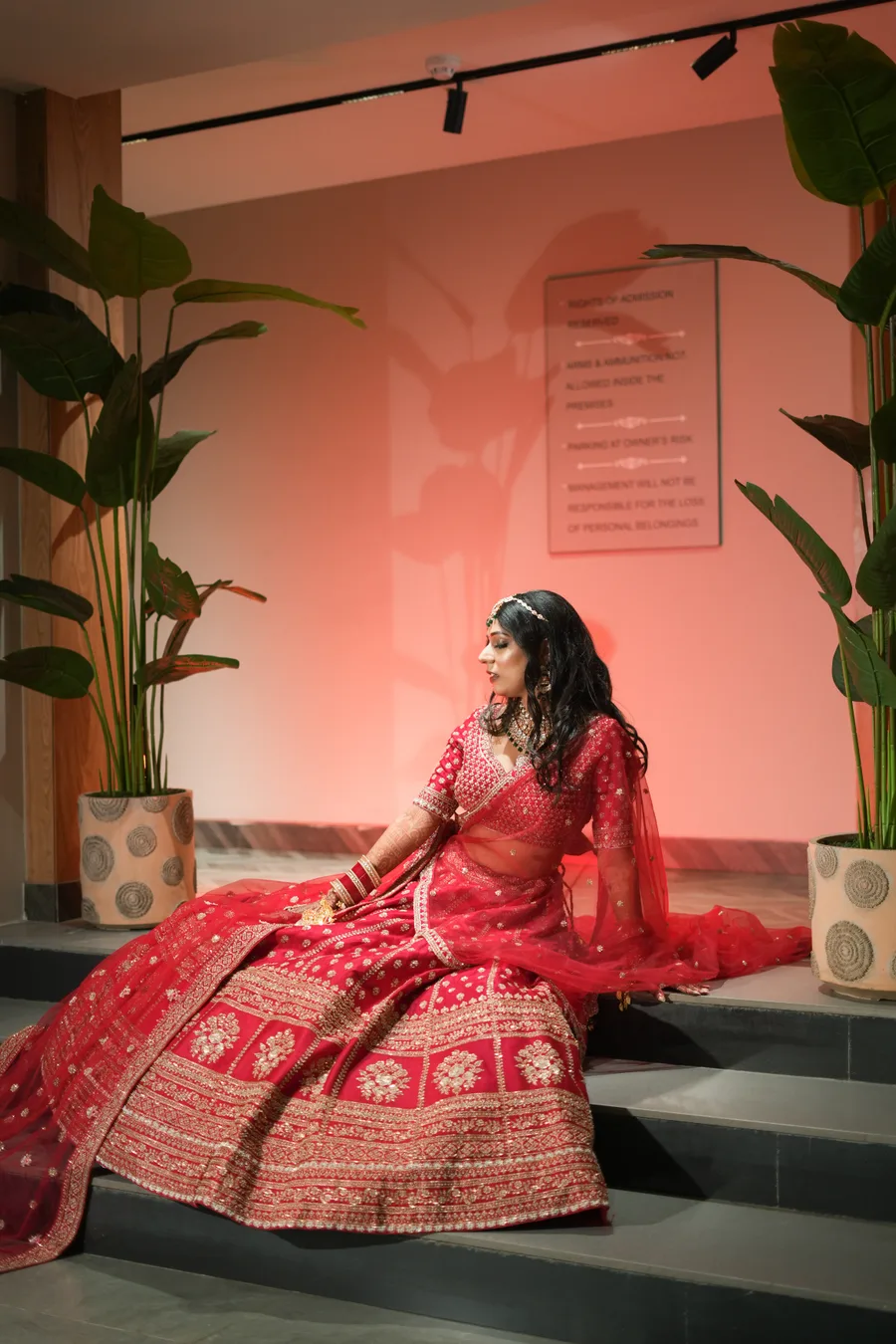
Unlike ceremonies held in traditional spaces, receptions give you canvas for elaborate decor. Colourful florals, ornate lighting, intricate table settings – all tell a story about your aesthetic and personality. A skilled reception photographer documents the environment, showing how your vision translated into actual space. These images serve a dual purpose: they're beautiful in their own right, and they contextualise the couple within the celebration you've created.
This is why variety in framing matters. Wide shots show the grandeur of the space and density of celebration. Medium shots capture the couple at their table, with family, in quiet connection moments. Close-ups isolate details – the cake, centrepieces, the bride's hands. A photographer working a reception moves constantly, shooting from multiple perspectives and distances to build a complete visual story. They'll also be alert to beautiful moments created by natural light shifts – a shaft of evening light through a window, the golden glow of overhead lighting – and use these to enhance composition.
Key Moments and the Art of Anticipating Peak Emotion
Every reception follows a rhythm: the entrance, the first dance, the parent dances, the cake cutting, toasts, more dancing, the send-off. Within this structure are moments of peak emotion that elevate the evening into something transcendent. The bride's face as she watches her groom during the first dance. The emotion on her father's face during their dance. The collective joy of the group dance involving everyone. The quiet moment between the couple during the reception, away from the crowd.
Your photographer's job is to anticipate these moments and be positioned to capture them fully. This requires understanding not just the logistics of your reception but also the emotional arc – knowing which moments matter most and being ready when they happen. Many experienced reception photographers shoot in a kind of flow state, half-conscious of timing and positioning, wholly focused on catching authentic emotion. They use faster film speeds and wider apertures to work in ambient light, position themselves at event edges to be present without intrusion, and trust their instincts about when to shoot and when to simply witness.
Coordinate with Your Venue and Manage Reception Logistics
Reception photography requires seamless coordination with your venue, catering team, and other vendors. Your photographer needs clear access to key areas: the entrance for the grand moment, the couple's table, the dance floor, potentially kitchen or prep areas for detail shots. They also need to understand timing – when speeches happen, when the cake is cut, when the dance floor opens – so they can position themselves accordingly.
Talk with your venue about lighting in advance. Many receptions use dramatic, coloured lighting that's gorgeous to the eye but challenging to photograph. Your photographer might bring supplemental lighting or position themselves in areas with better ambient light. Discuss photo opportunities unique to your venue – a particular window with good light, beautiful architectural features, outdoor space for couple portraits. Finally, ensure your photographer understands the cultural elements of your reception – any specific rituals, dances, or toasts that hold special meaning – so they can capture them with proper reverence. If you're planning your reception coverage with us at Lens9 Studio, we'll coordinate with your venue team beforehand to ensure every key moment, from that magical grand entrance to the last dance, is captured with both technical excellence and emotional understanding.