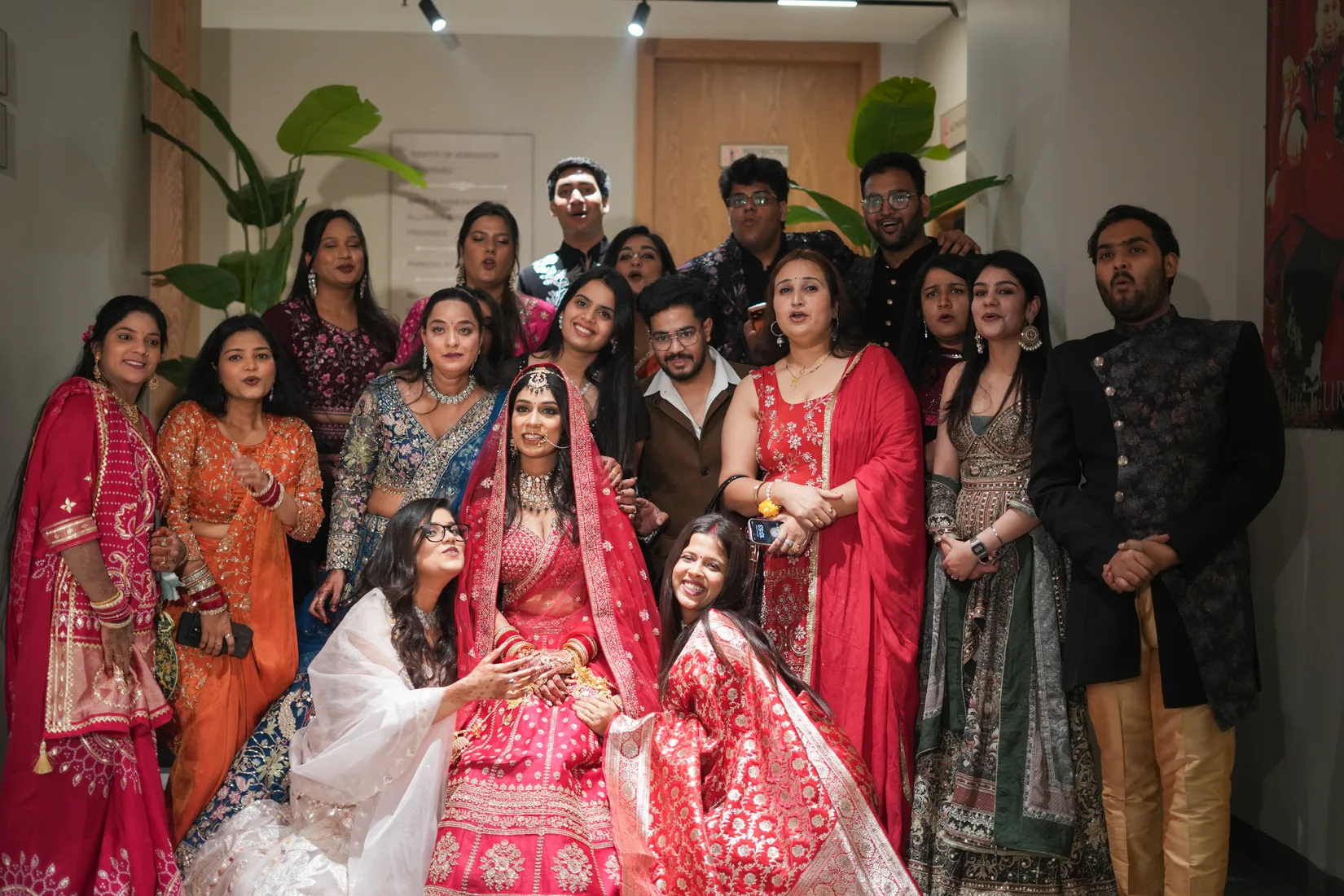
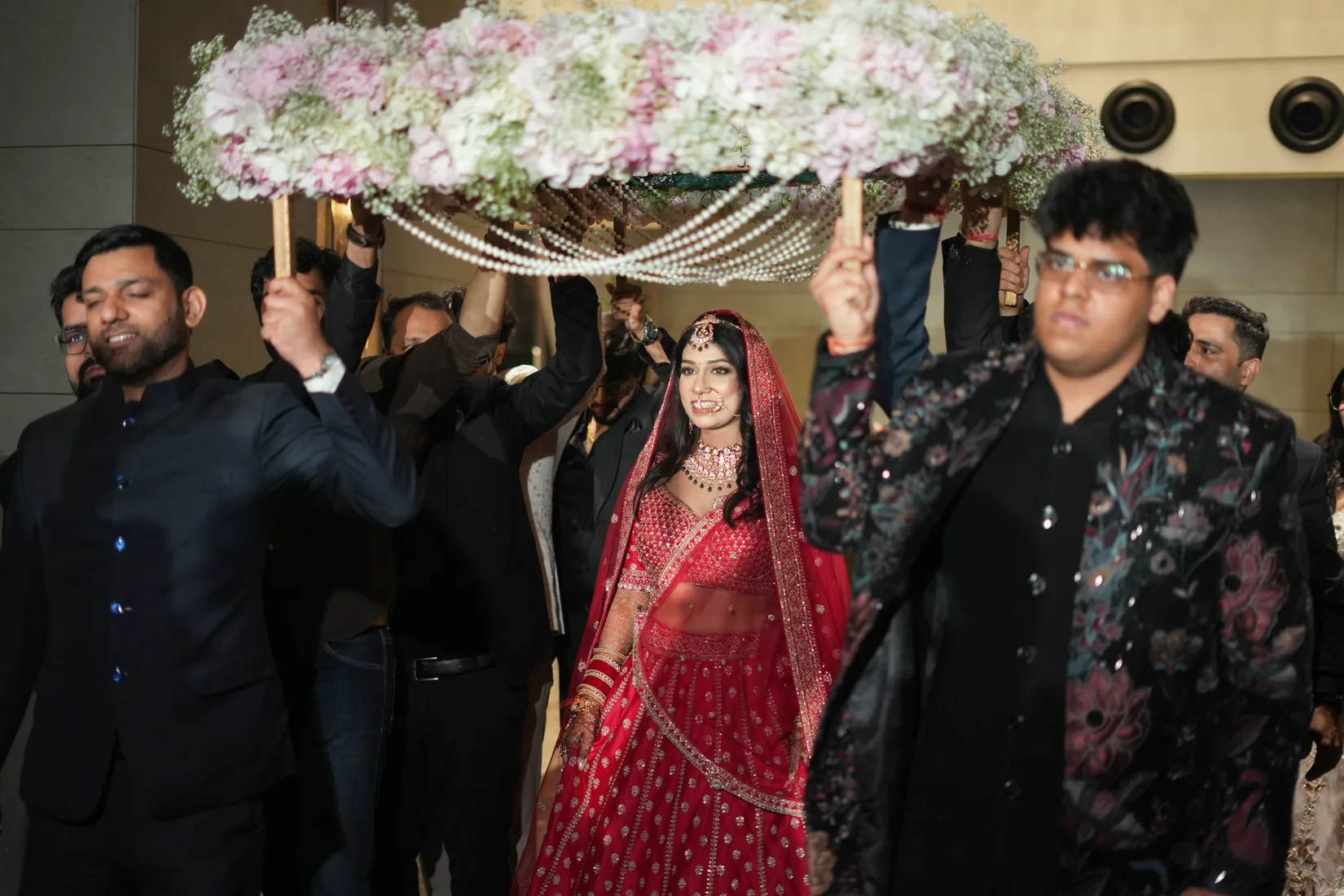
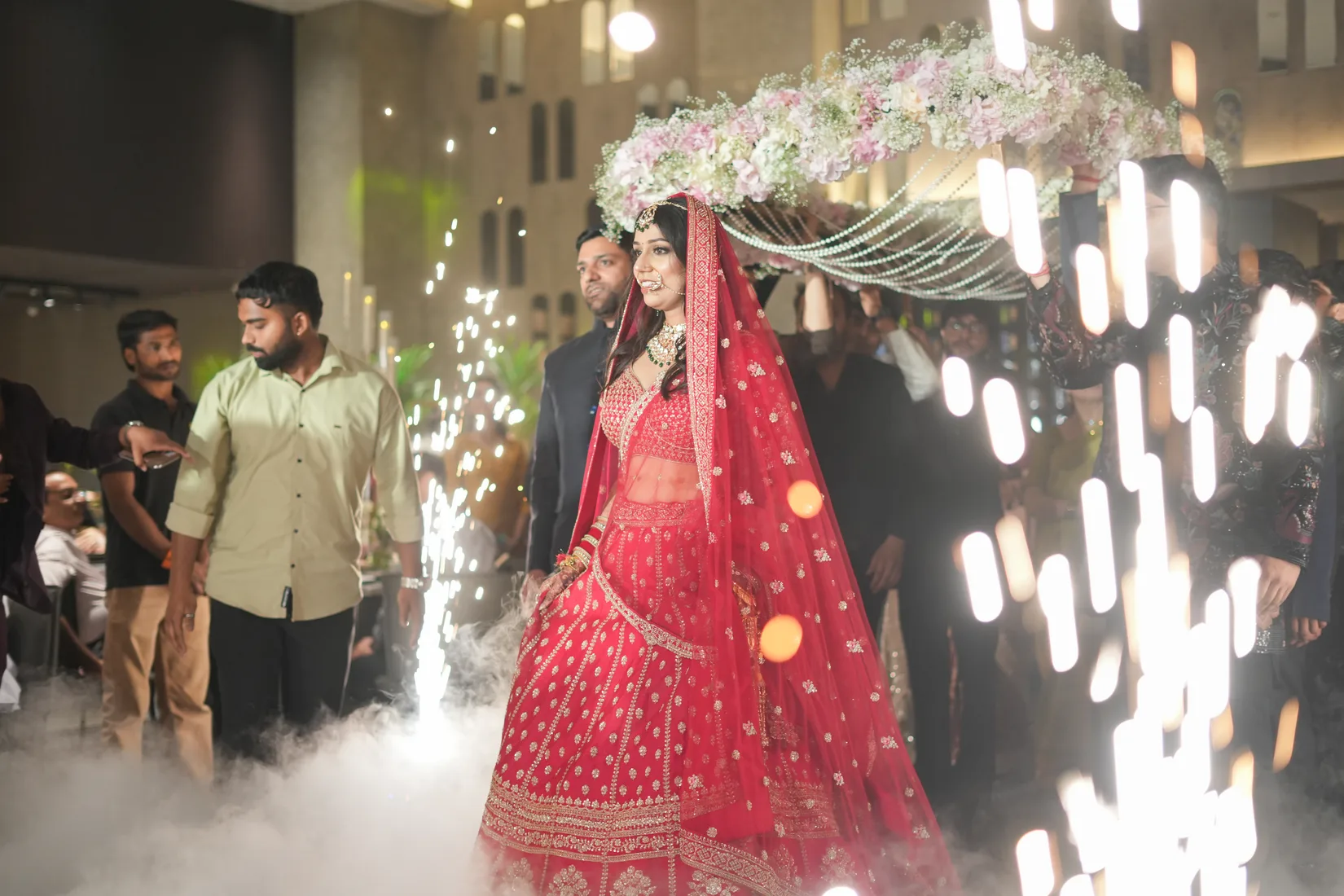
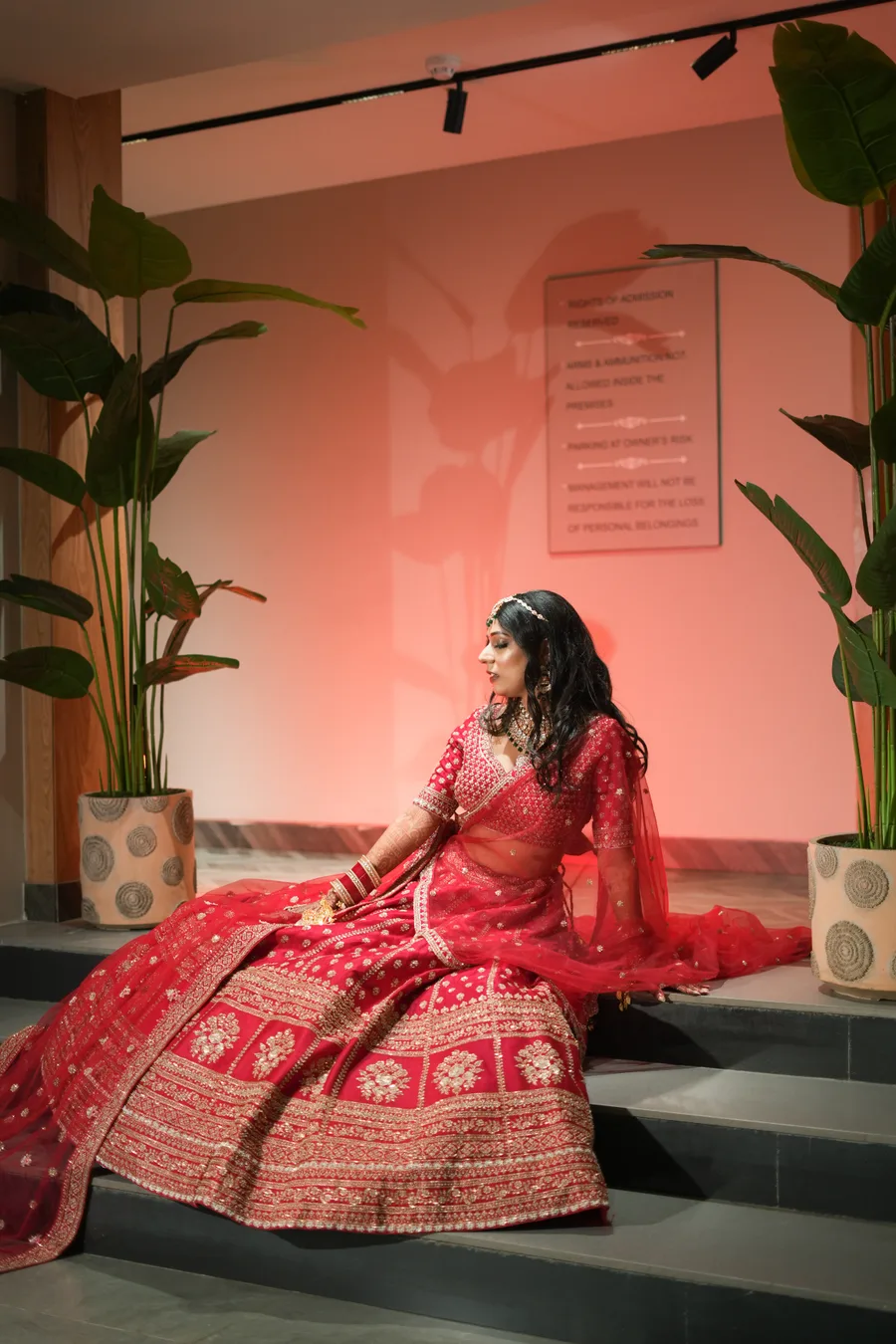
Rain doesn't have to ruin your wedding photography. Photographers and couples who plan thoughtfully can adapt on the day, use weather as a visual tool, and capture beautiful images regardless.
Why Rain Doesn't Mean Your Photography Fails
The biggest misconception about rain and wedding photography is that it's a disaster requiring cancellation or complete schedule abandonment. In reality, rain creates different photographic opportunities than clear weather—not worse opportunities, just different ones. Photographers who work regularly in monsoon or in regions where rain is common know how to capture stunning images in rain. The challenge isn't the rain itself; it's planning and flexibility. Couples who can't adapt, who have no contingency plans, and who rigidly insist on executing the schedule exactly as planned will indeed struggle. But couples and photographers who plan thoughtfully can create beautiful celebrations and photographs regardless of rain.
Some of the most emotionally powerful wedding photographs happen in rain. A couple dancing in light rain, water glistening on their skin and clothes, genuine joy on their faces—that's a different kind of beautiful than a clear-weather portrait. A bride and groom standing together under an umbrella, thunder rumbling overhead, looking at each other with the kind of commitment that says "nothing could shake this"—that's the kind of raw, authentic moment that people remember decades later. Rain isn't a failure of planning; it's an opportunity for a different kind of story.
Pre-Wedding Planning: Identifying Contingencies and Backup Spaces
Effective rain backup planning happens months before your wedding, not the morning of. During venue selection and wedding planning, discuss rain contingencies with your venue: What indoor spaces are available if outdoor celebrations need to move inside? Can ceremonies relocate quickly? Are there covered areas where some activities can continue? How much lead time is needed to shift from outdoor to indoor setup? Walk through actual contingency scenarios with your venue manager—not hypothetically, but practically. If rain starts during the baarat, what's the actual plan? If the couple shoot location is unusable, where's the alternative? Do you have enough covered space for all your guests if the celebration moves entirely indoors?
Communicate these contingencies to all vendors: your photographer needs to know the indoor backup locations and how lighting might differ, your catering team needs to understand how indoor space affects seating and service, your musicians need to know what happens to their equipment and staging. Most importantly, communicate contingencies to your guests and family. Provide clear information about what happens if weather deteriorates (the schedule doesn't change, we just shift locations; the outdoor reception moves indoors; the couple shoot rescheduled to the following day). When everyone understands the plan, weather changes feel like minor adaptations rather than crises.
Indoor Venue Backup and Equipment Preparation
Not all indoor spaces photograph equally well. A windowless basement looks terrible in photographs regardless of how well-organised it is. An indoor space with large windows, high ceilings, or interesting architectural elements photographs far better, even during rain. During venue selection, scout potential indoor backups specifically for their photographic qualities. Are there windows that provide natural light and visual connection to the outdoors? Is the ceiling high enough to avoid a cramped feeling? Are there areas with interesting architectural details, good lighting, or distinct zones that create visual variety?
Your photographer's equipment needs protection from rain, but complete avoidance of weather exposure isn't possible during an active celebration. Professional photographers working in rain-prone regions use weather-sealed camera bodies and lenses, rain covers and sleeves, waterproof bags for backup equipment, and multiple memory cards and batteries stored separately in case water damage occurs. Umbrellas, towels, and lens-cleaning supplies are essentials, not luxuries. Have a conversation with your photographer specifically about rain: what equipment do they have, what weather protection is in place, and what's the backup plan if equipment is damaged. Good photographers plan for rain, carry backup equipment, and know how to work safely in challenging conditions.
Capturing Rain as a Visual Element and Maintaining Flexibility
The mindset shift from treating rain as a problem to treating it as a visual asset changes how you and your photographer work. Instead of hiding under umbrellas during couple photos, consider what rain adds to the image. Water droplets on skin and clothing catch light beautifully. Rain creates reflections in wet pavement. Puddles become mirrors. The emotion of commitment in challenging weather feels more significant than in perfect conditions. Your photographer should be thinking about how to incorporate rain into the storytelling rather than only trying to prevent getting wet.
Rain rarely falls predictably. A wedding day might start clear with rain arriving mid-celebration, or vice versa. Weather can shift multiple times throughout the day. Your photographer needs clear communication about any schedule or location changes, and you need willingness to adapt as rain dictates. If rain starts during the ceremony, the ceremony doesn't stop—your photographer positions themselves to protect their equipment whilst capturing the moment. If rain makes the planned couple shoot location unusable, your photographer and coordination team quickly identify an alternative. Smooth, rapid adaptation requires advance planning and clear communication. Have someone—your wedding coordinator or a designated family member—actively monitoring weather and communicating with your photographer and key team members.
Perspective and Moving Forward With Confidence
The absolute reality: rain will limit certain photo opportunities. If your dream couple shoot is in a specific outdoor location and rain makes it impossible, that's genuinely disappointing. But your wedding celebration—the people you love, the commitment you're making, the joy and connection happening regardless of weather—doesn't depend on clear skies. Your photographs will capture the actual day you lived: how you felt when it rained, how your celebration adapted, how real the moment was.
If you're concerned about rain affecting your wedding or your photography, have these conversations early: talk with your venue about realistic contingencies, discuss weather preparation with your photographer, communicate weather flexibility to your family, and decide what matters most to you—sticking to a plan rigidly, or adapting gracefully to create the best possible celebration and photographs given whatever weather unfolds. A photographer experienced with rain (as we are, having worked many monsoon celebrations) knows how to create beautiful images in challenging conditions. Rain is a challenge, yes, but it's a challenge that good planning and good photography can meet. If you'd like to discuss how we'd approach rain scenarios for your specific celebration, we'd be happy to walk through our backup plans and show you how we've captured beautiful images in weather that initially seemed problematic.